

Does anyone here ever get tired of those news stories that talk about all the bad things happening in the world? I can only imagine how it would go if there was a newscast working in the bush. “Well tonight ladies and gentleman, we have another murder. This time in a violent act, a pride of lions took on an impala. They overpowered the impala, and in a manner of savage brutality, left nothing for the eyes to see. Henrietta Hornbill is on the scene now.”
While we all know about the “Circle of Life” (thanks, Lion King), one of the most intriguing scenes is that of symbiosis. For those of you unfamiliar with symbiosis, it is basically living organisms living peaceably with other living organisms. In fact there are three basic kinds: mutualism (both organisms benefit), parasitism (one organism benefits and the other is harmed), and commensalism (one organism benefits and the other is unaffected). And so, ladies and gentlemen, I bring you the “Feel Good Story” of the day. The story that talks about symbiotic relationships.
BIRDS AND…
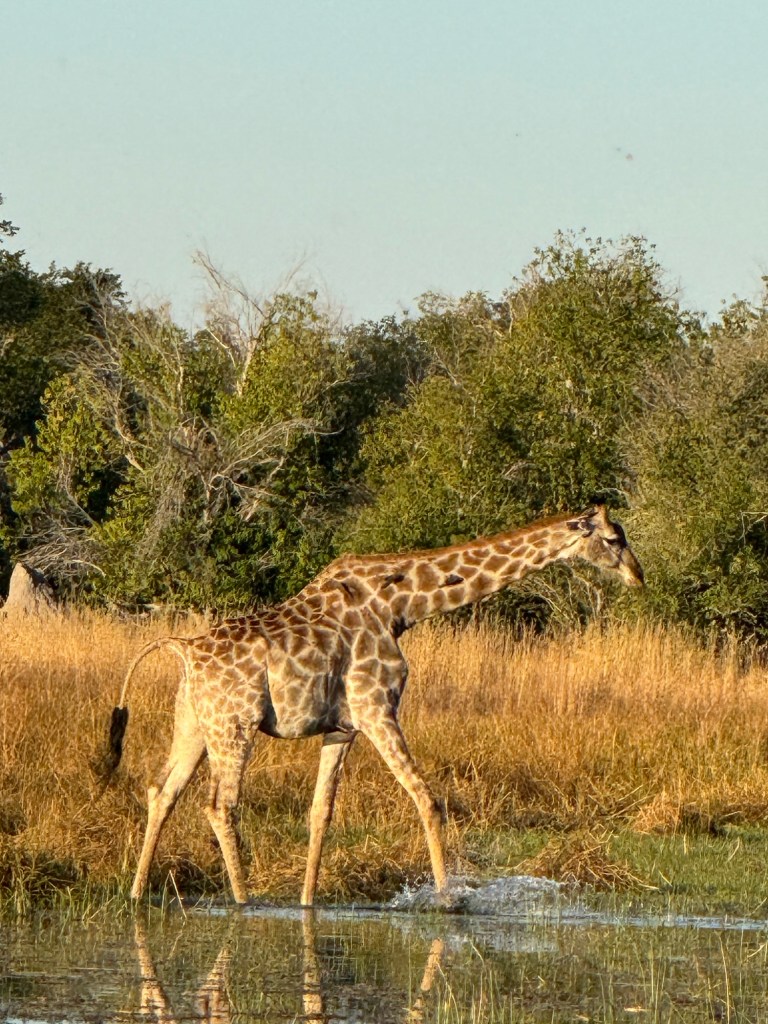
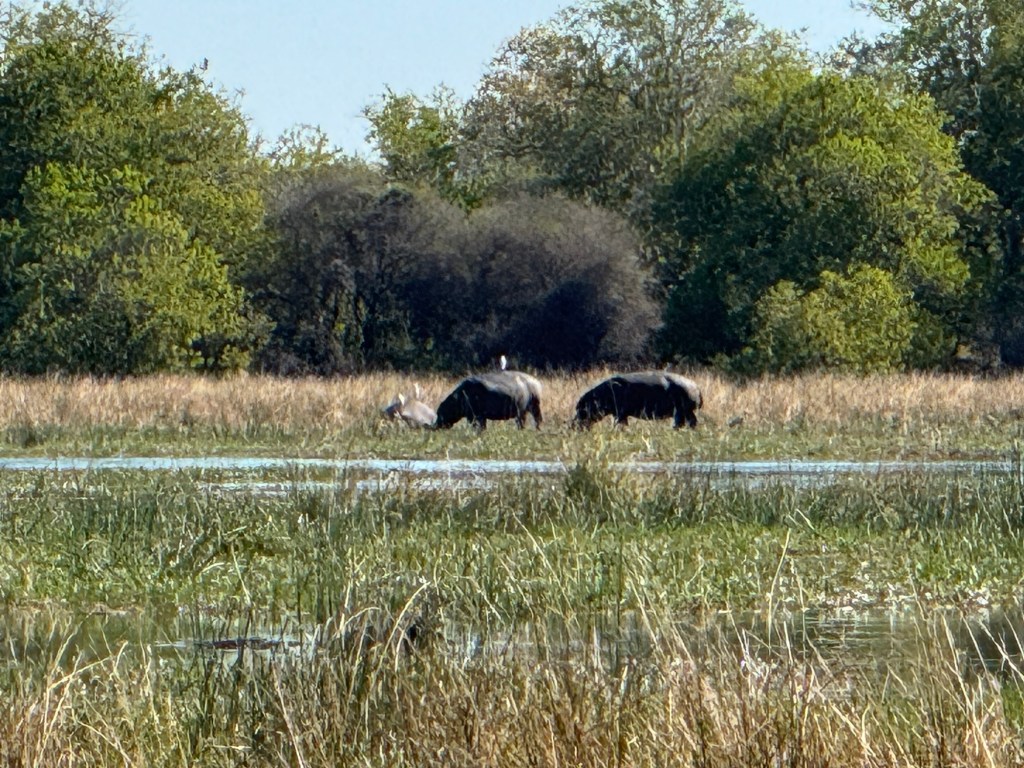
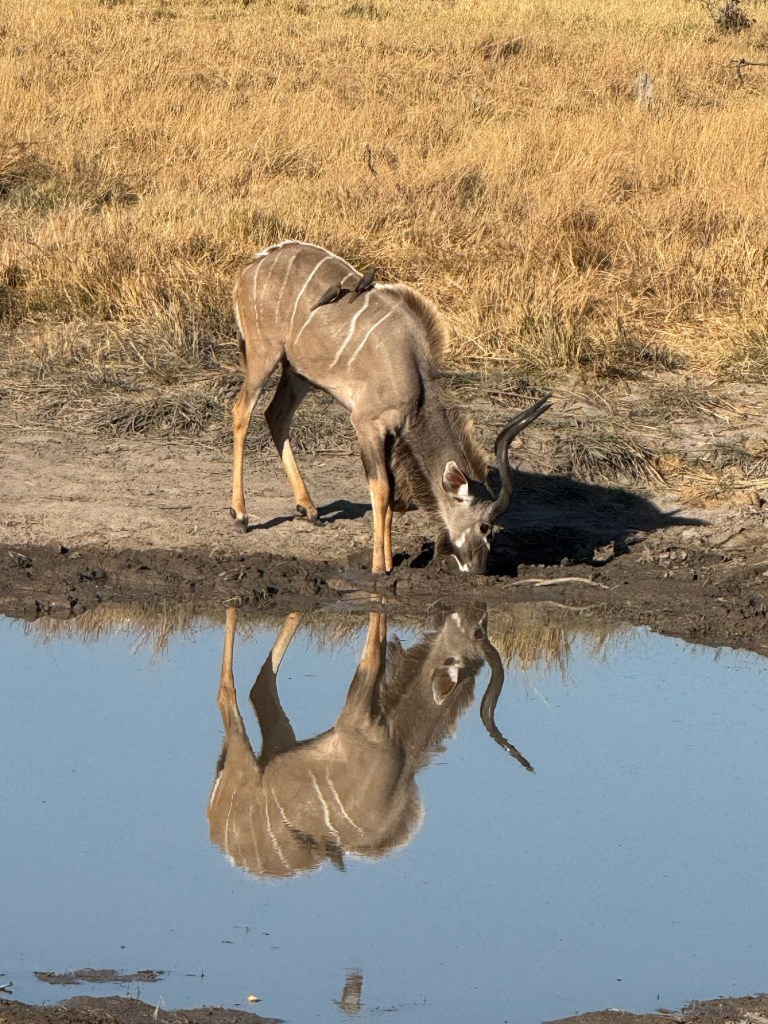
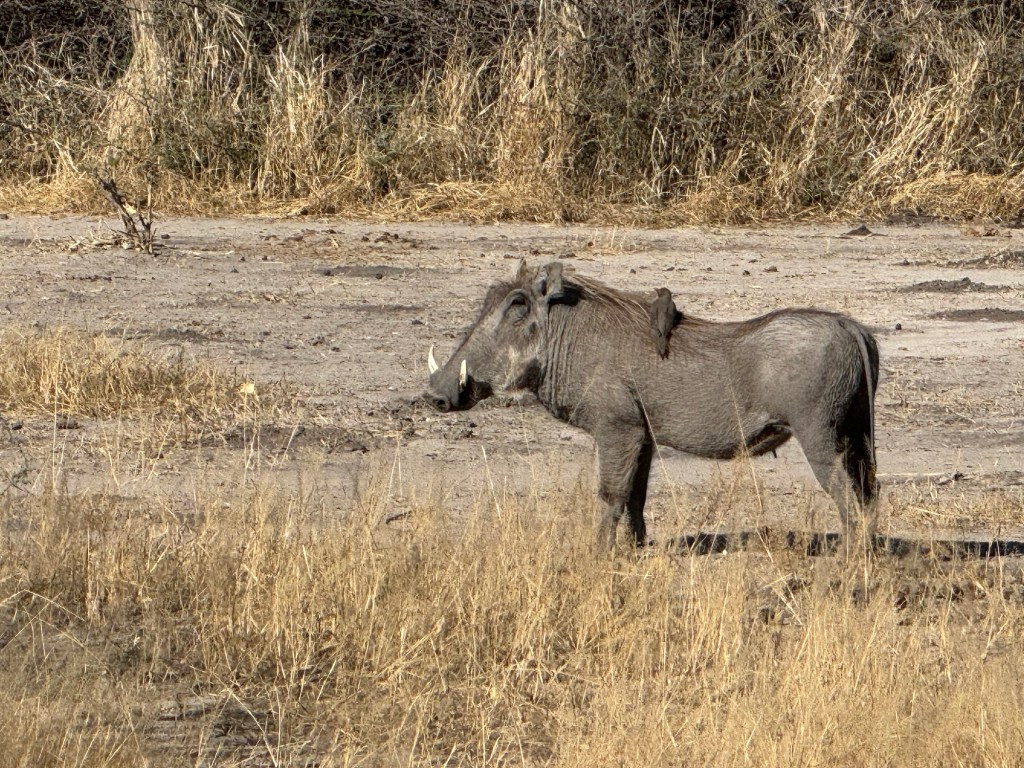
Birds are amazing animals. As I watched hundreds of species scuttle and soar through the Okavango, I was always touched by the ones who helped out their neighbor. These birds, hungry as they were, found their food atop the back of another animal. There were warthogs, giraffes, hippos, kudus, zebras, and…and…the list could go on forever—who benefited from these birds. Often the animals consumed by the fierce fowl were blood sucking creatures who had the potential to cause harm to the larger animals. As each large animal continued grazing, the birds hung on and feasted. Their feet were designed for such a time as this. Well done birds!
VERVET MONKEYS AND IMPALA
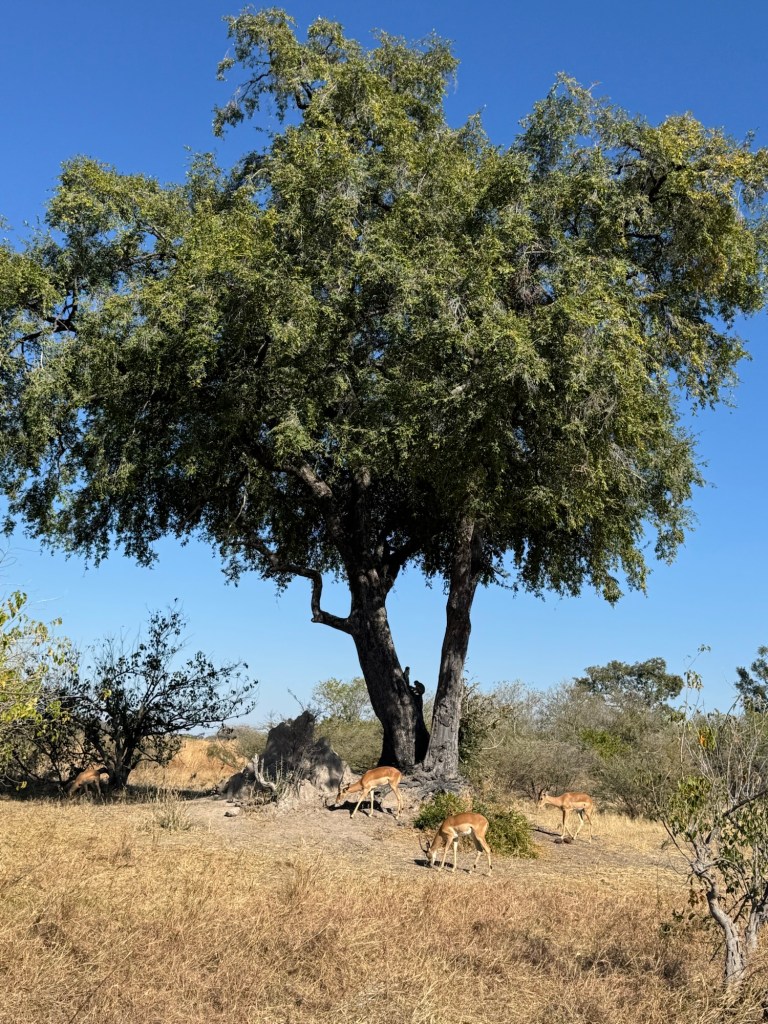
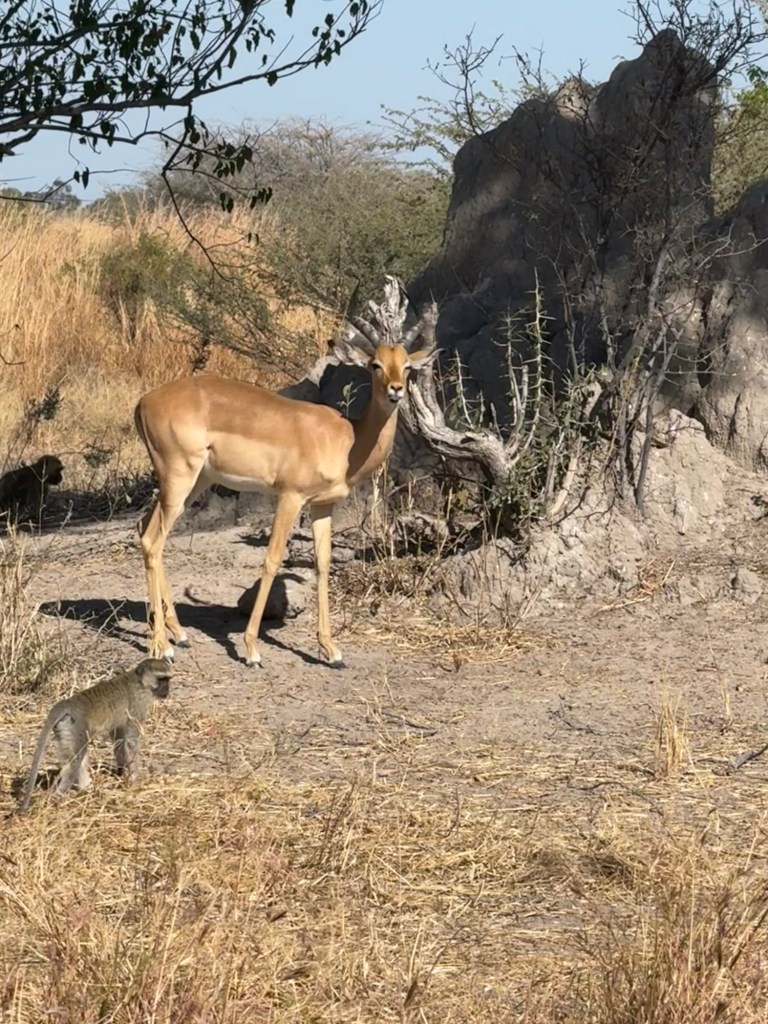
Monkeys are a messy breed–at least the vervet monkeys are. While we were on Safari, we saw the omnivorous monkeys dining on berries in a tree. Below them were the gleeful impala, eating everything left behind. Sure, the impala could eat the surrounding grass, but it was delightful watching them supplement their diet with the berries that fell from the trees. In addition, the monkeys were in just the right spot as they were able to watch for any incoming predators. Thanks monkeys!
ZEBRAS AND WILDEBEESTS
I was always so happy to see the zebras and the wildebeests hanging out together. Apparently, the zebras eat fast and consume the tougher, top layer of grasses. This method leads the wildebeests to find the much preferred (for them) softer and more delicate grasses below. Along with speed eating, the zebras also have incredible eyesight, something the wildebeests do not have. On the other hand, the wildebeests have a tremendous sense of smell and tremendous hearing. Together, they work to keep each other safe. Thanks for the teamwork!

TERMITES AND…
Termites create amazing homes. They are so amazing that other animals love to use their homes. Some animals use the termite mounds to help them see potential problems. Other animals burrow in and use the termite mounds for a home. Termites aerate the soil and help retain moisture, which many animals need during the drier seasons. Those termite mounds created roosts, minerals for animals and trees, and provided opportunities for shelter from the sun. I’d say more, but the termites are so important, I’m dedicating an entire blog post to them. You rock, termites!
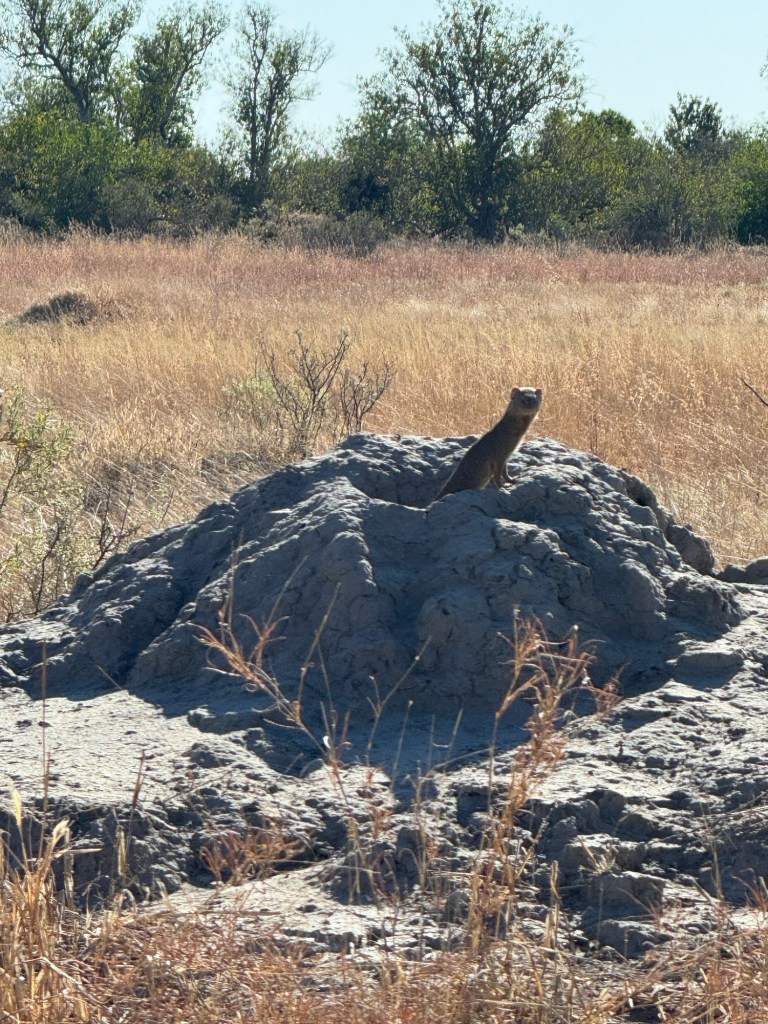
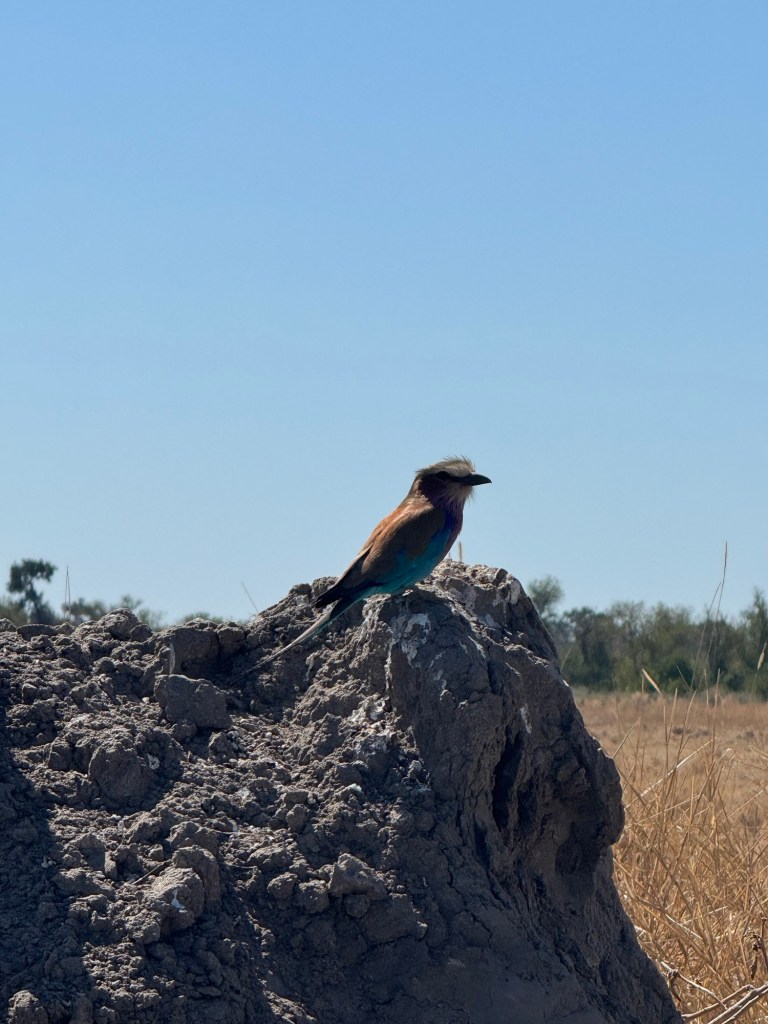
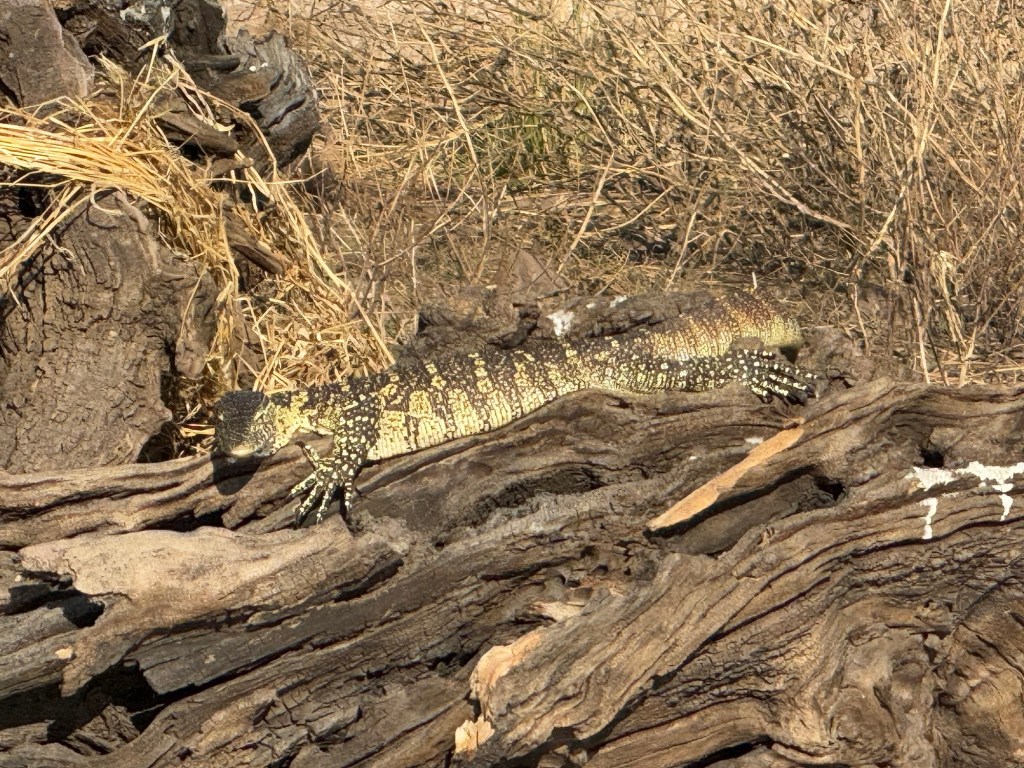
In the midst of all the food chains, it is comforting to know animals can live their lives and provide a benefit to others. When you visit Botswana, please share all the other symbiotic events you see.
 Reba Roams the World
Leave a comment