Who in the world wants to talk about termites? They are disgusting animals that eat up our houses and destroy people’s livelihoods. In fact, in the US alone, termite mitigation costs upwards of $5 billion a year. That is a huge chunk of change. However, termites in forests and savannahs are a lifeline to success.
Let’s take a look at this: whereas termites create havoc for homeowners, they prove to be some of the best decomposers in the wild. As the termites do their job (take care of dead wood and other plants) they also provided aeration for the soil. This aeration allows for water to enter in and provide better nutrients near the roots of other plants. In the wild, I absolutely love termites.
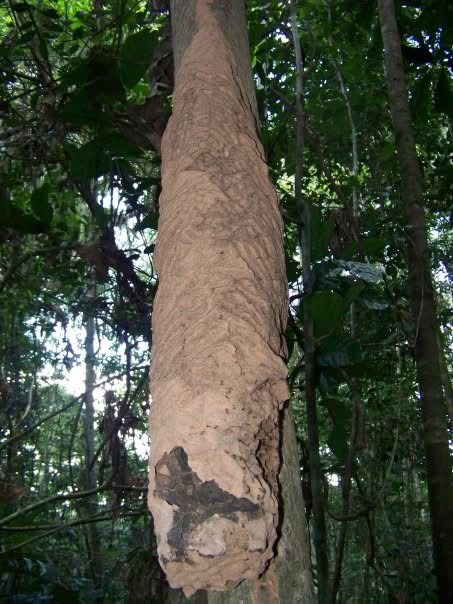
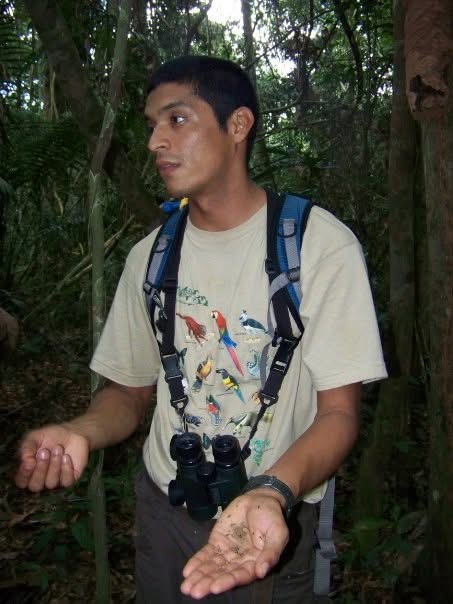
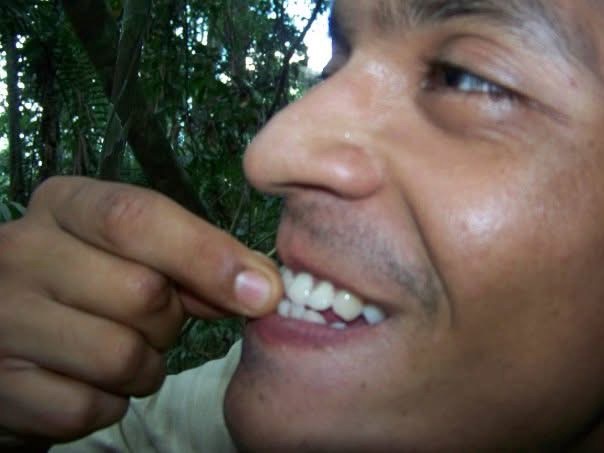
My first experience with wildlife/termite education took place in Peru (2008) with our guide Manuel. As we were hiking in the rainforest, we came upon a termite home that was hanging from a dead tree. Manuel stopped us and told us about how important the termites were for the rainforest. As they broke down the dead plants and animals, termites also provided more space for new plants to grow. In addition, they were a great source of nutrition for animals in the rainforest. At that point, he broke open the termite mound, placed some termites in his hand, and demonstrated by eating one. He offered the guests the opportunity to increase their protein for the day, but I was just happy to let the rainforest heroes stay alive. In all my travels, that lesson has stayed with me the longest, and I always welcome termite sightings.
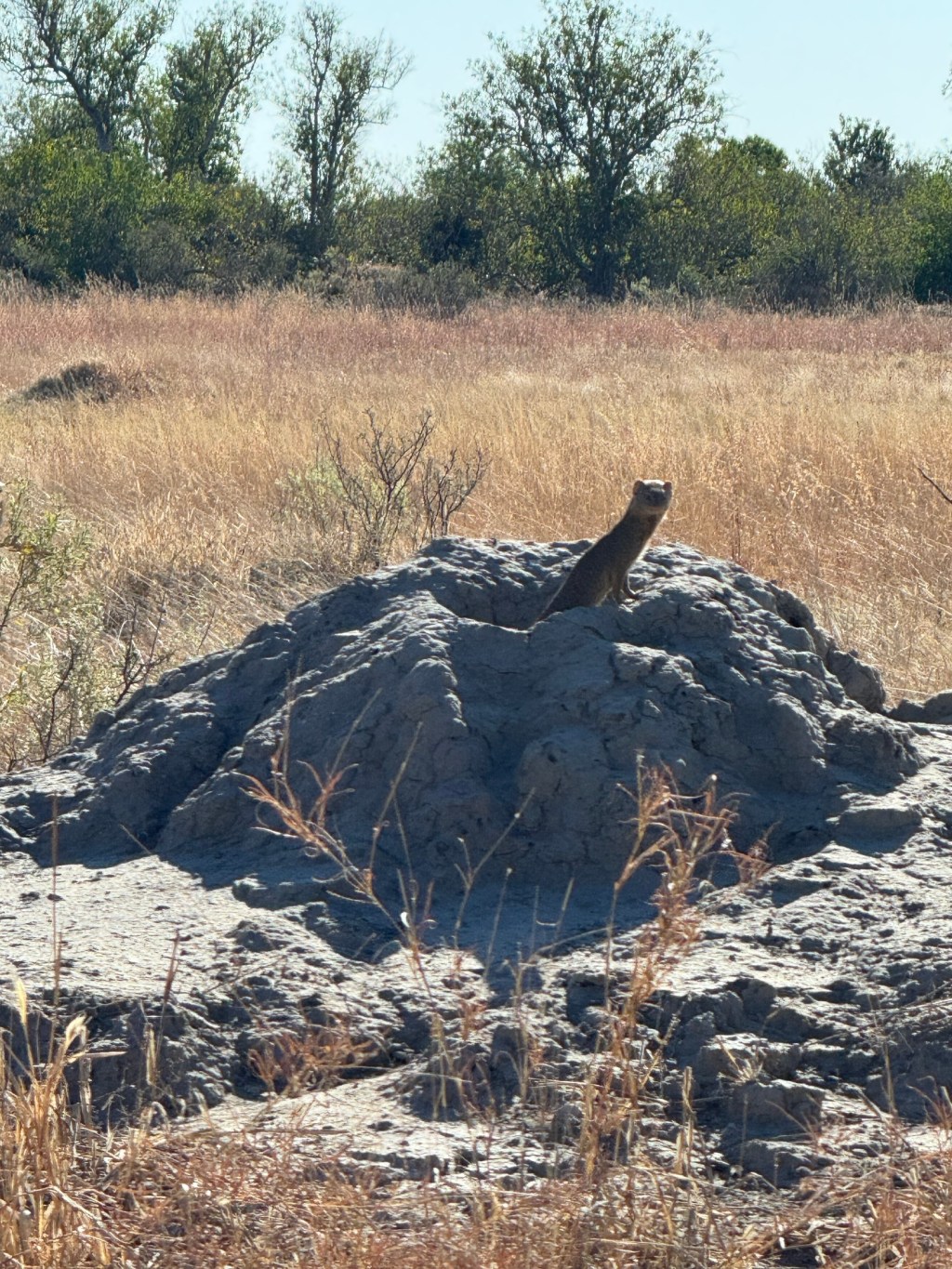
Now, let’s return to Botswana and their termite population. We found termites everywhere. Sometimes they were surrounding dead trees, and sometimes they were in the middle of the fields. As noted earlier, the termite mounds were so tall that they provided some shade to the animals.
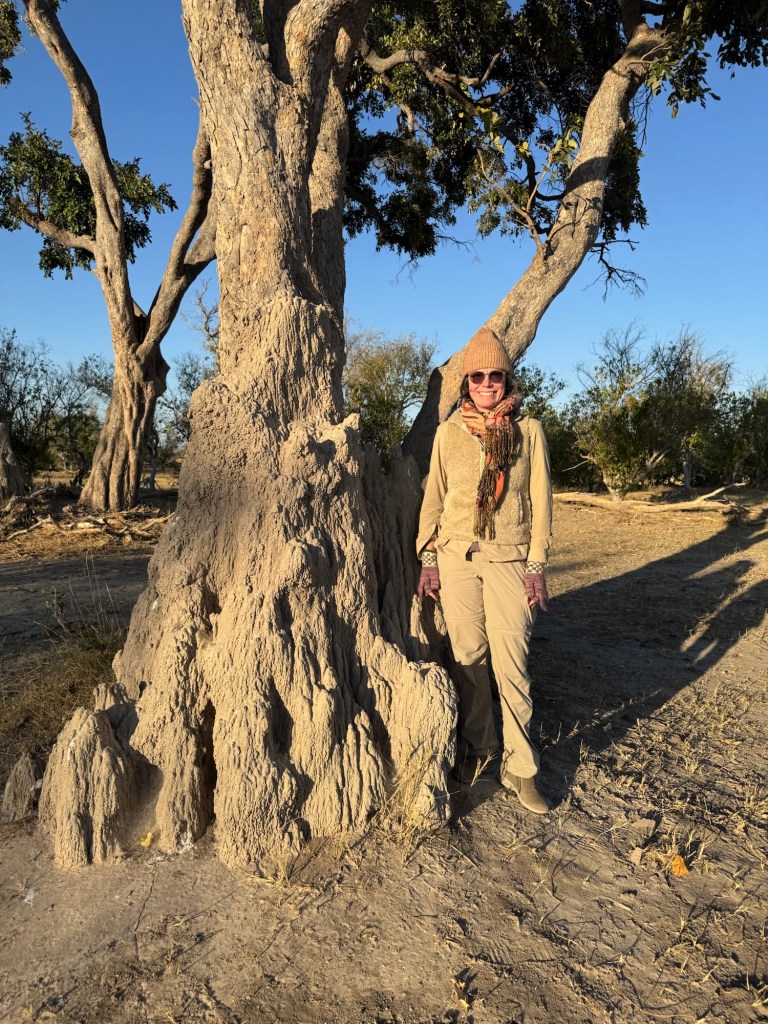
This height was also a part of their own survival. Most of the time the land appears dry. However, when the rains fall, and the water starts to creep into the land, the termites have to move to higher ground to avoid drowning. With the land being so close to the water table, the higher ground was created by them in the form of mounds.
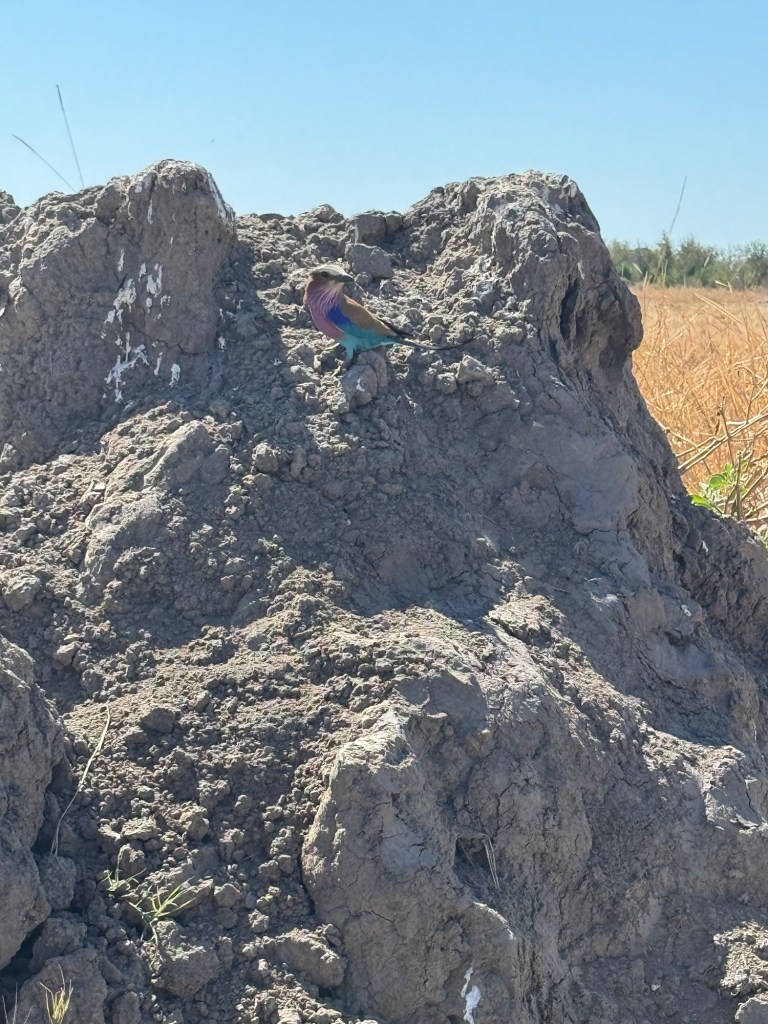
This lent itself to a problem–predators. There are many animals who love to eat termites including: birds, small mammals, and reptiles. Having a home with height provided easier access for these animals. Nonetheless, seeing the termite mounds was fascinating.
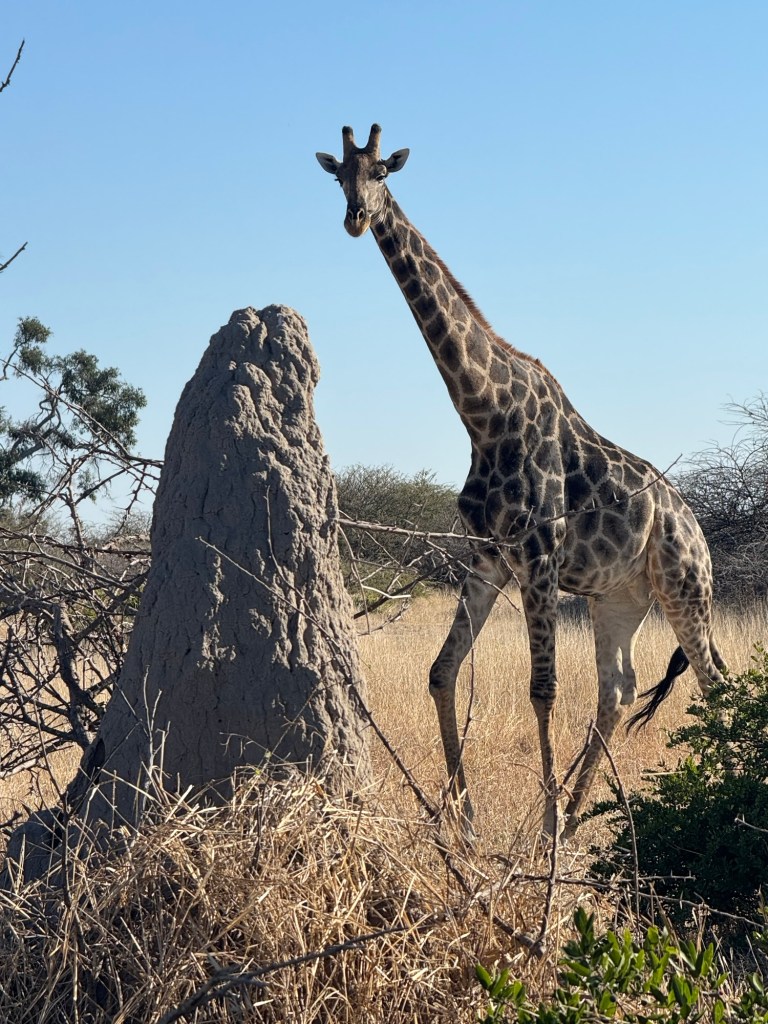
We always found birds and other animals using the termite mounds for roosting areas. We would see them using the higher vantage point to help them find food for themselves or to look for predators on the hunt. Often their food included the termites themselves! The termite mounds were plentiful, and the animals using them to their advantage were a common occurence.
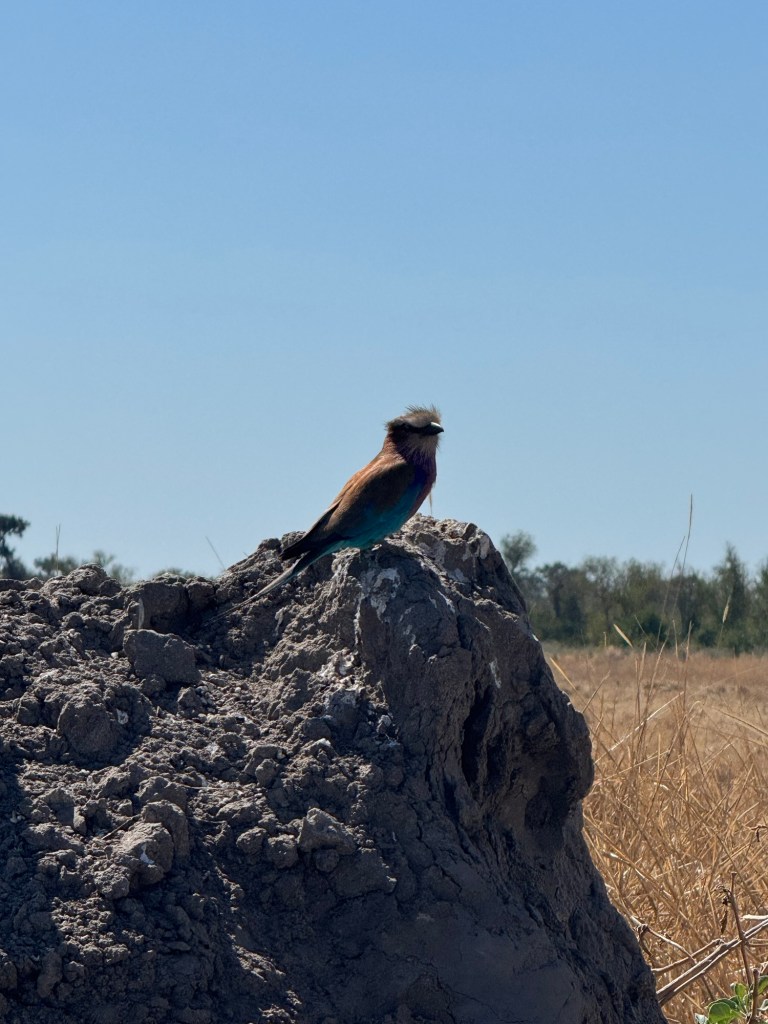
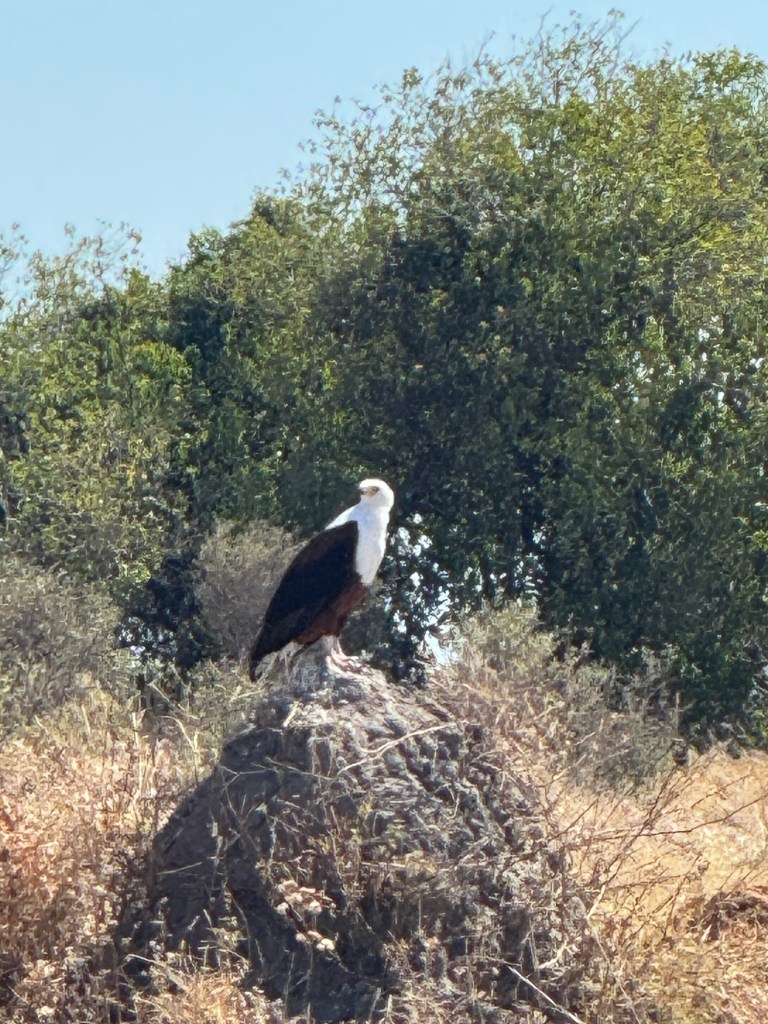
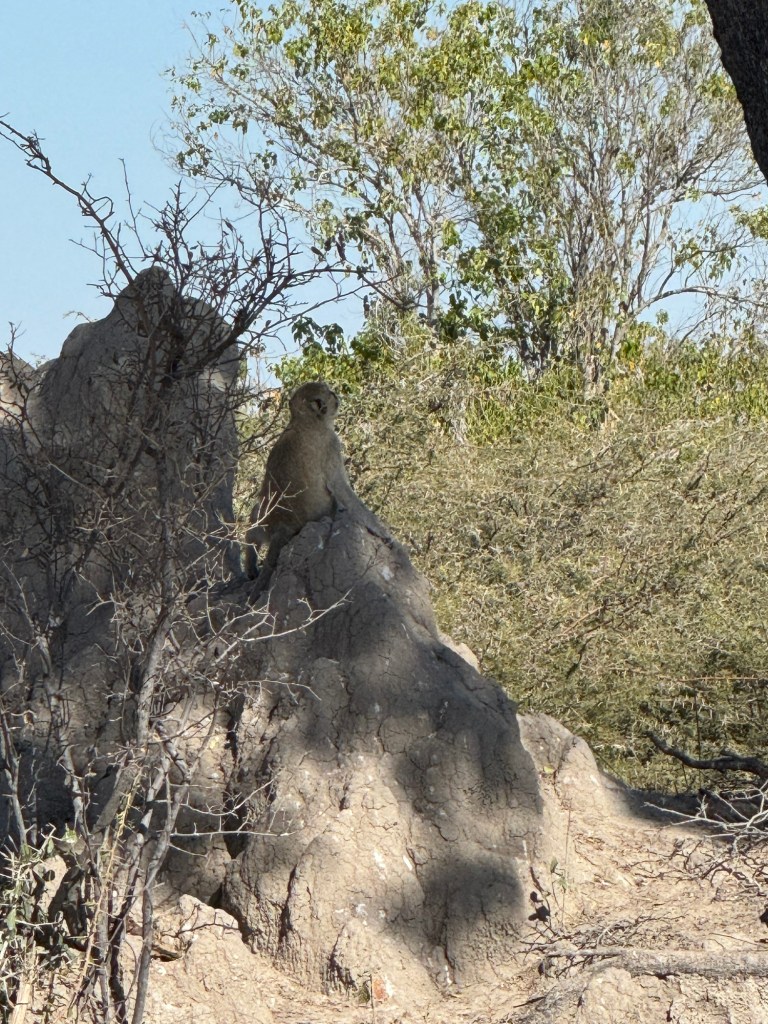
Scotty told us that as the termites abandoned their new homes and began anew, other animals would move in to claim the termite mounds as their own. I can’t begin to tell you how impressive it was to see these termite mounds displayed throughout every part of our African Safari. I could definitely see the importance they held within the bush. Thanks, termites for doing such a great job!
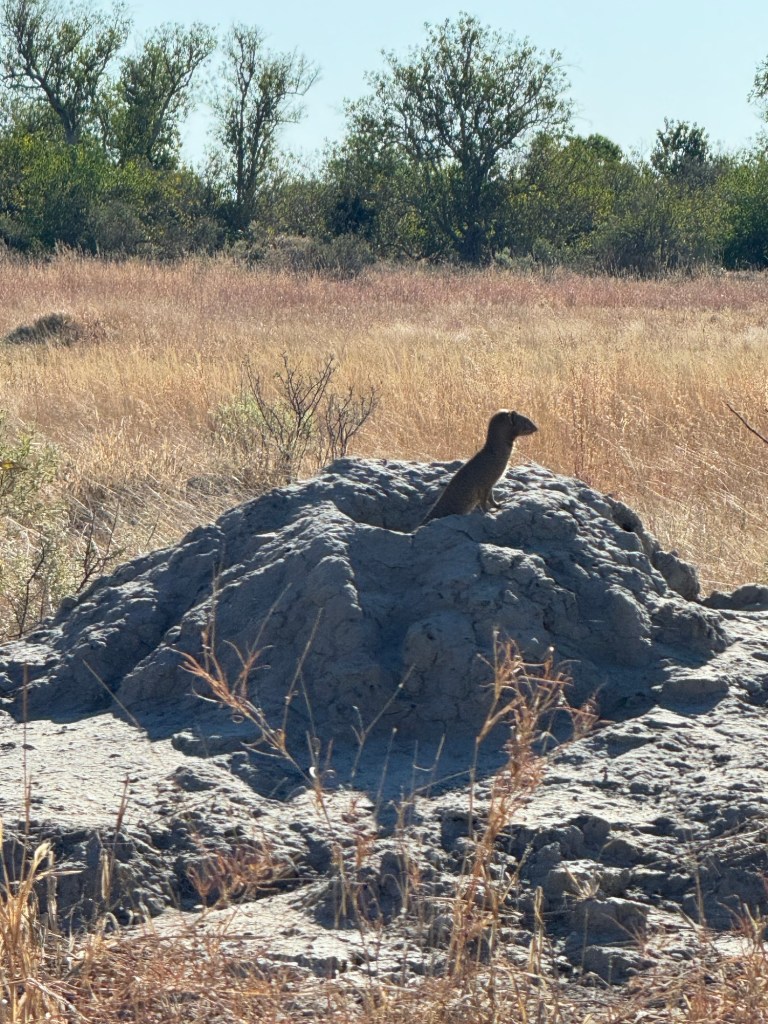
SOME ANIMALS WHO MIGHT EAT TERMITES…
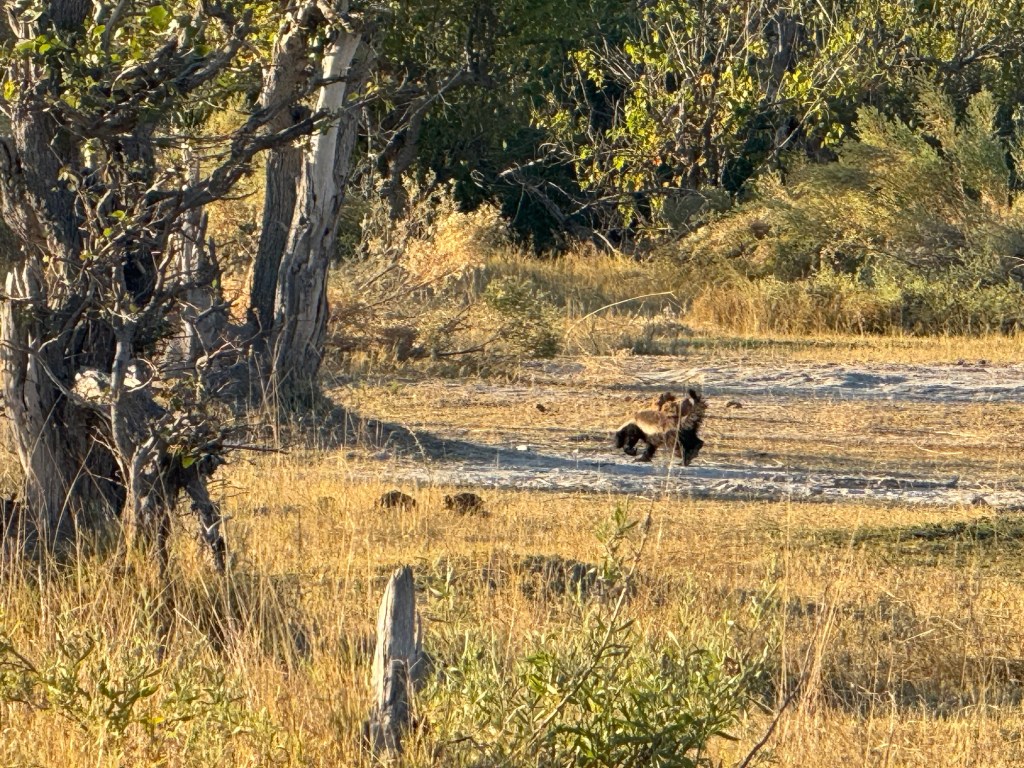
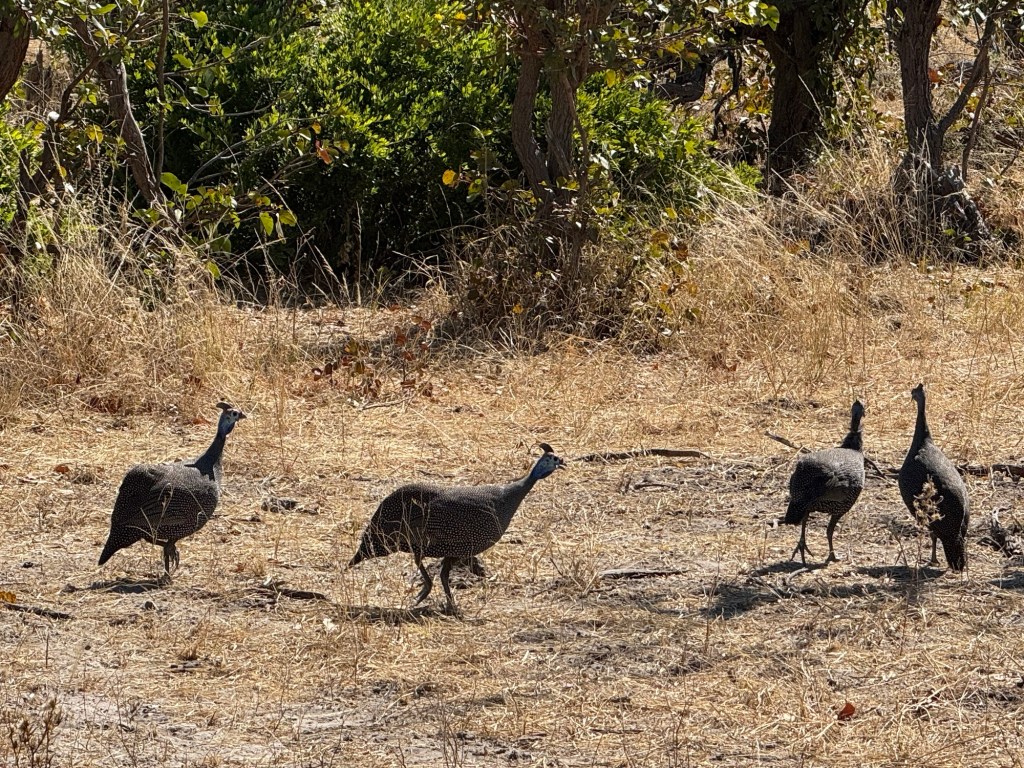
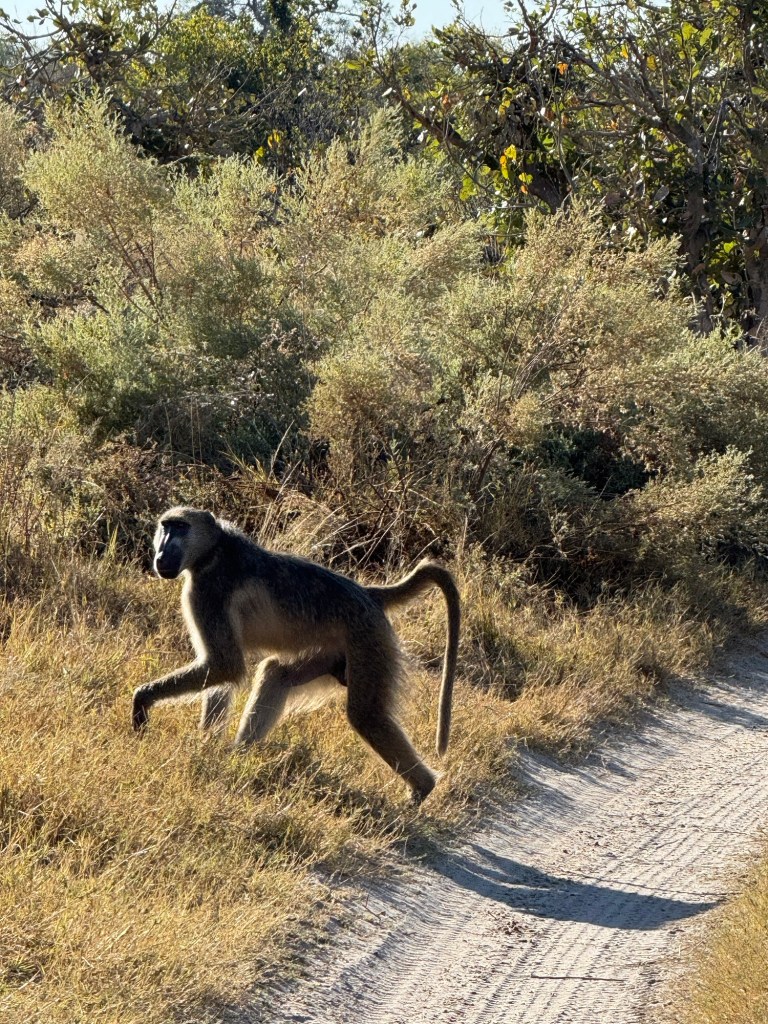
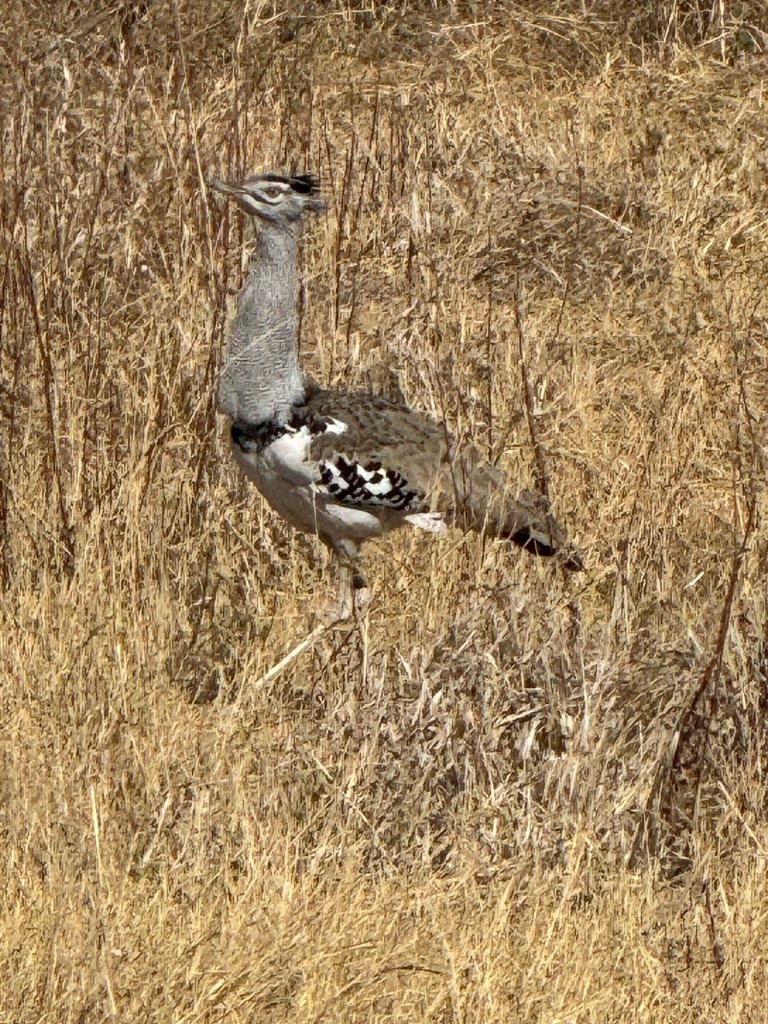
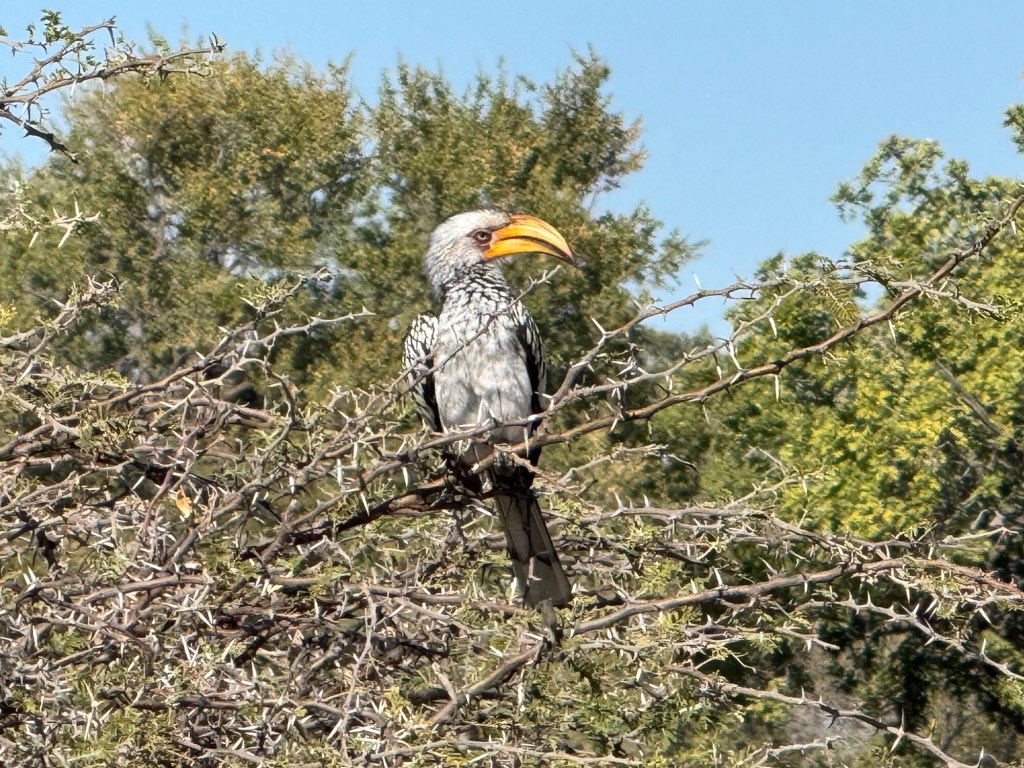


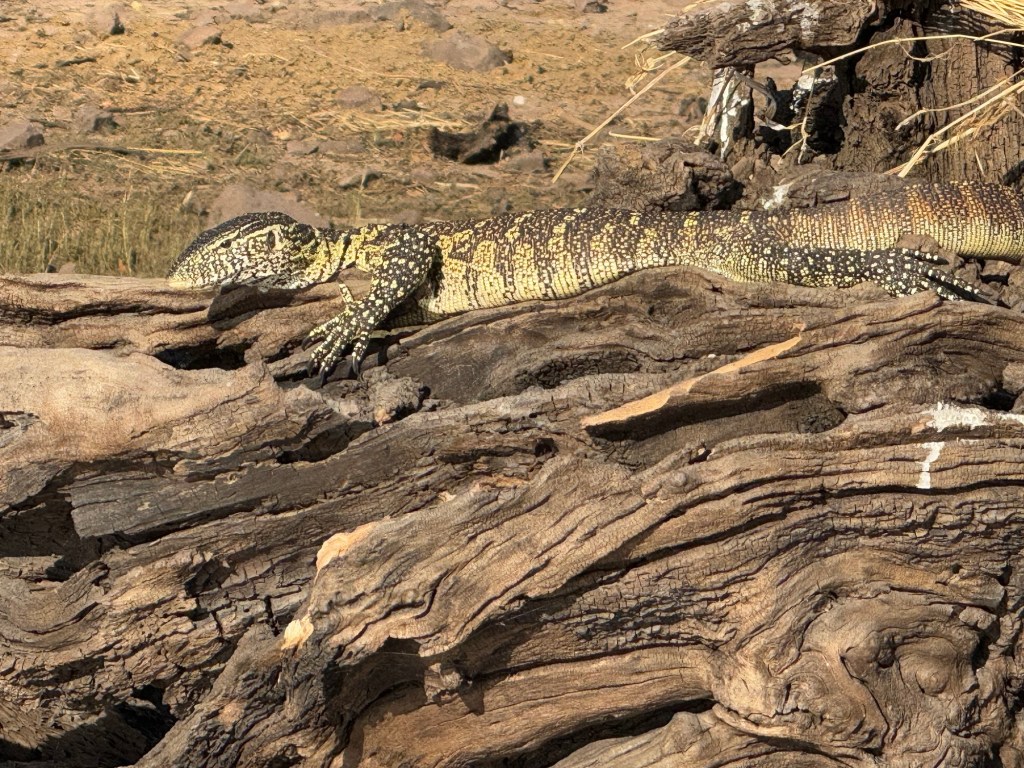
BONUS: I was working with my students today, and we were looking at Weird but True facts from National Geographic for Kids. One fact stated, “If you put all the termites in the world on a scale, they would weigh more than all the people in the world combined.” Guess that’s another reason we should be talking about termites :).
 Reba Roams the World
Leave a comment