
How many “Seven Wonders of the World” are there? Well, there are: the Seven Wonders of the World, the Seven Wonders of the Ancient World, Seven Wonders of the Modern World, Seven Wonders of the Middle Ages, Seven Wonders of the Underwater World…the lists continue further. However, for the purposes of this blog, let’s talk about the Seven Natural Wonders of the World.
Take a minute and think of all the places you know or have visited. Now, think about all the most beautiful natural places you have been. These places must occur naturally and can not have been created through human ingenuity. Which ones make your list of top seven places? As one who is decisive on many things, I would never be decisive enough to narrow the list to seven. Thankfully, others have already done that for me.
The most common list of natural wonders includes the following sites:
- Aurora Borealis
- Grand Canyon (United States)
- Great Barrier Reef (Australia)
- Harbor of Rio de Janeiro (Brazil)
- Mount Everest (Nepal and China)
- Paricutin Volcano (Mexico)
- Victoria Falls (Zambia and Zimbabwe)
How many from the list above did you place on your personal list? How many from the list above have you seen? Well, according to this list, I made it to only my second natural wonder–Victoria Falls (my first being the Grand Canyon).
Let’s start with a few facts about Victoria Falls:
- It is the largest single sheet waterfall in the world.
- It is comprised of five individual falls. Four are found on the Zimbabwe side.
- Victoria Falls spans about 1 mile and finds itself on the Zambezi River (fourth largest river in Africa).
- Zimbabwe claims visibility of 75% of the Falls while Zambia claims visibility of 25% of the Falls.
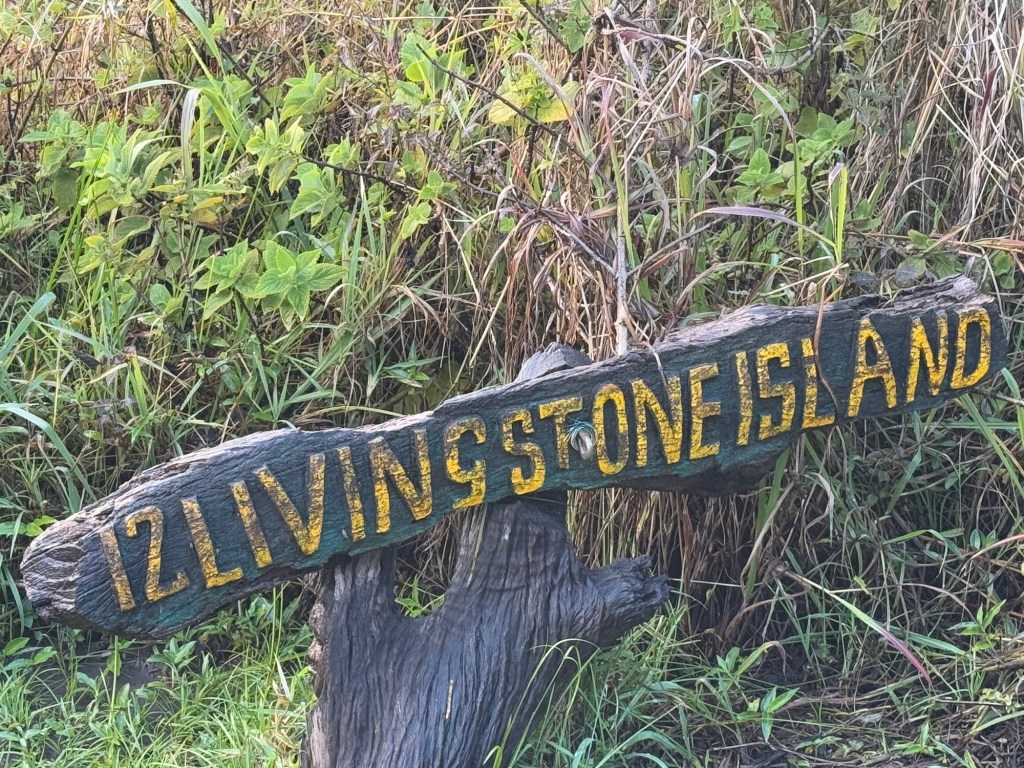
- A Scottish explorer named David Livingstone was the first European to see Victoria Falls. He chose to name the Falls after Queen Victoria, and the name has endured.
- Approximately 132 million gallons of water cascade per minute.
- Should you decide to visit Victoria Falls in its entirety, you’ll need to enter two National Parks–one in Zimbabwe and the other in Zambia.
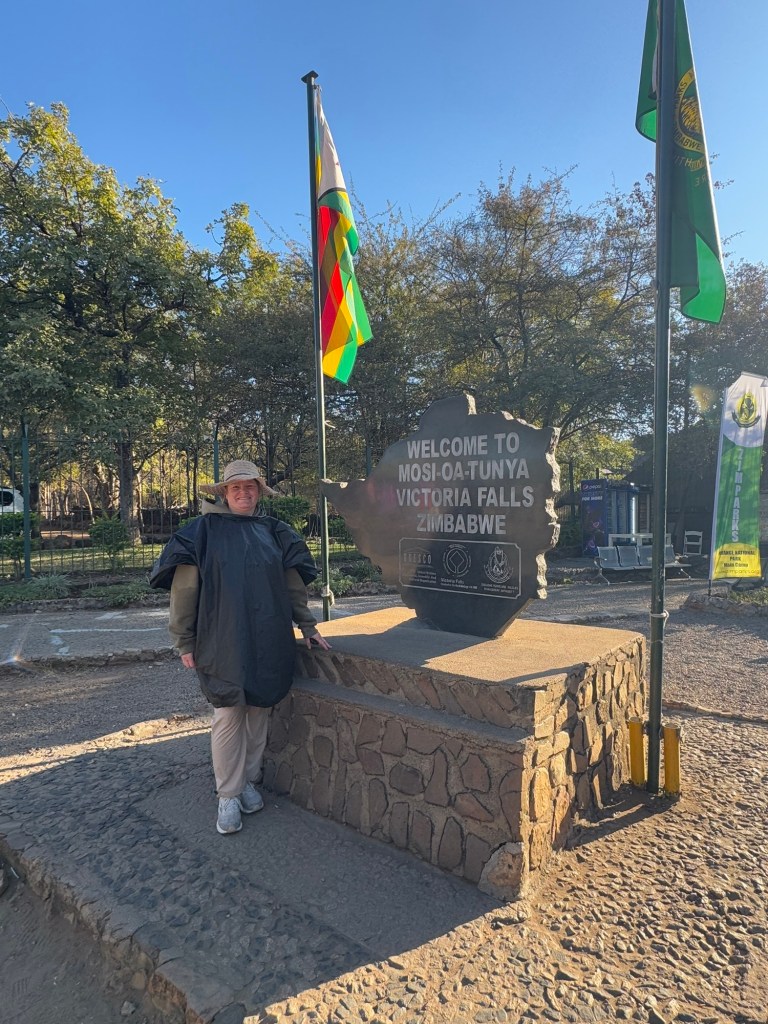
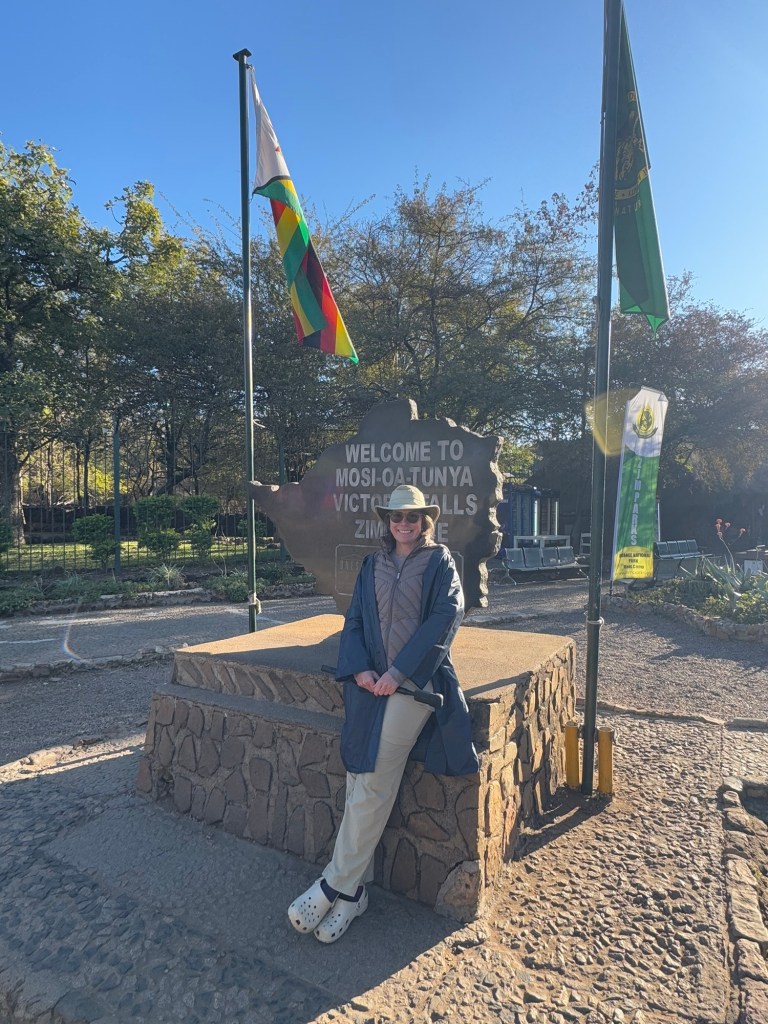
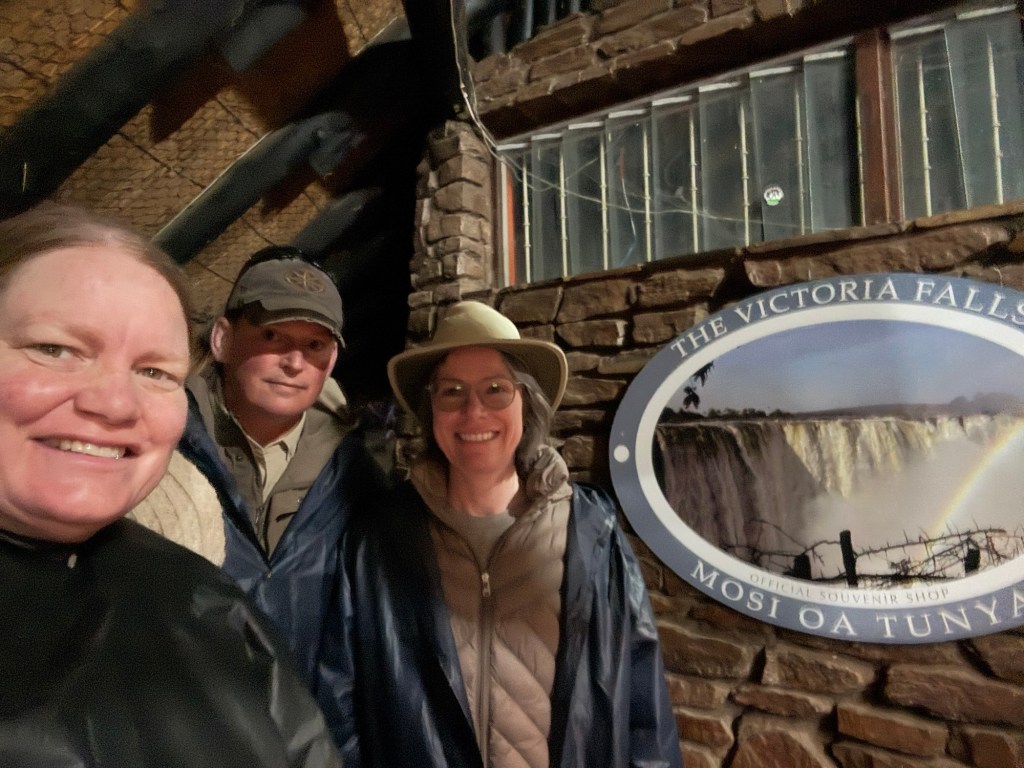
Our entrance into the Zimbabwe side of Victoria Falls occurred at 6:00AM, so we could experience the Falls with fewer people. It also gave us the opportunity to watch the sunrise over the falls. As exhausting as it was to wake before the hotel began breakfast service, witnessing a sunrise over one of the seven wonders was incredible.
We took a raincoat and prepared for the experience. Victoria Falls is a rainforest and is also the only place in the world where it rains everyday. Note: Should you forget your rain gear, vendors everywhere rent or sell them.
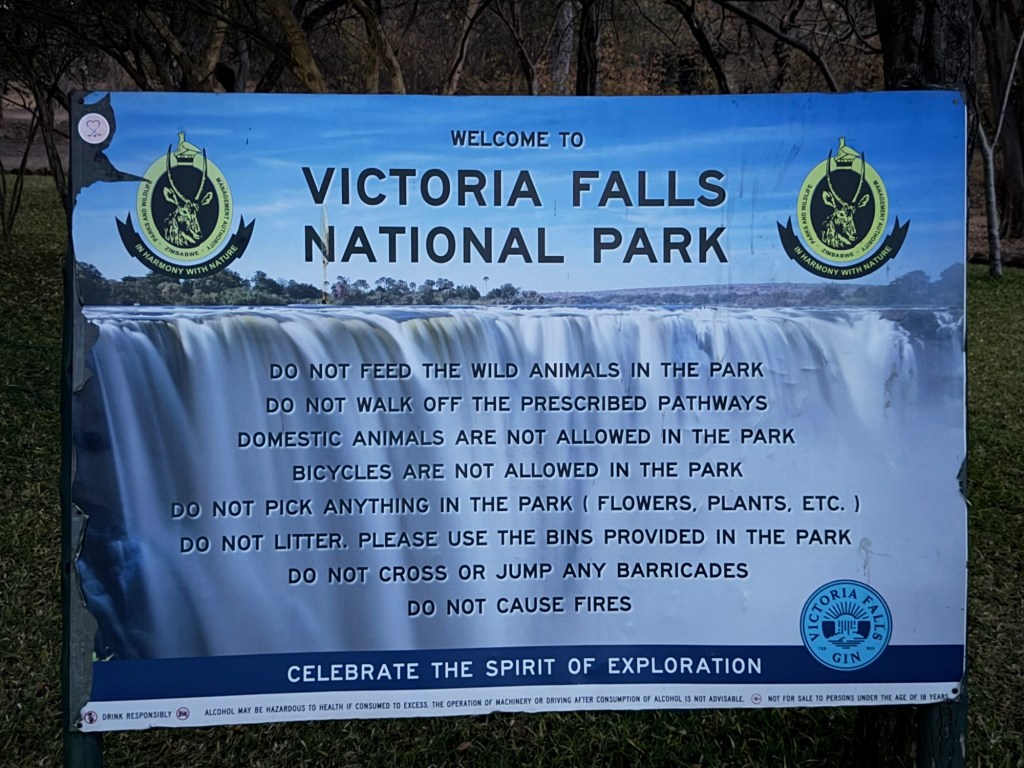
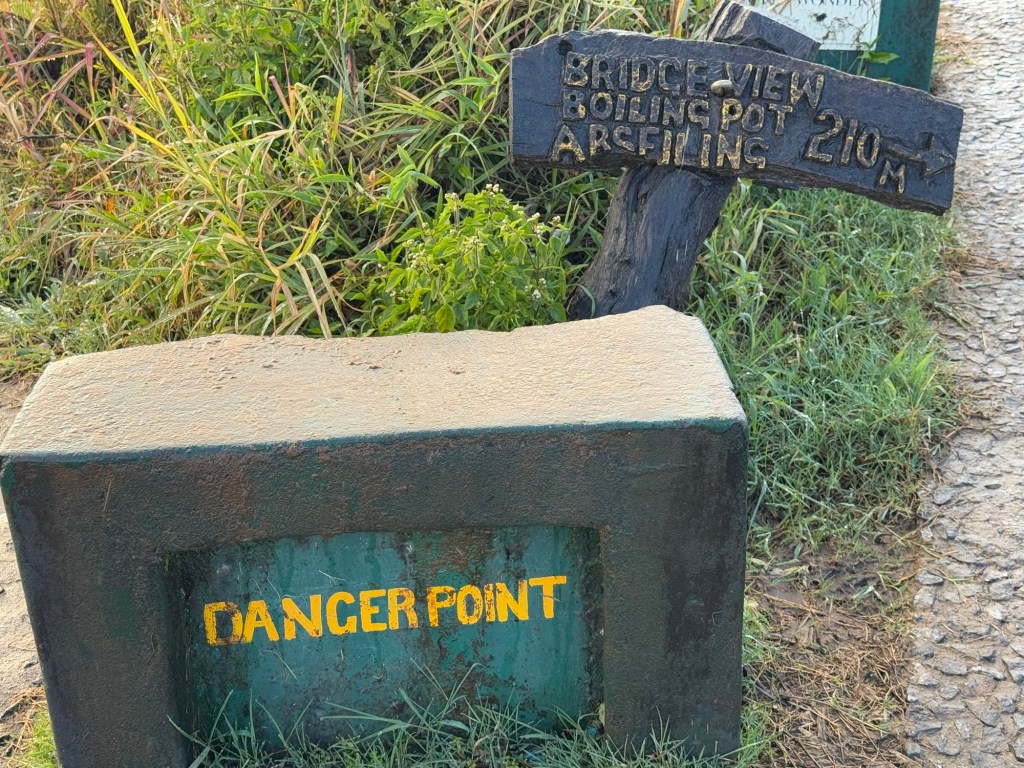
There are fifteen viewpoints along the trail. Each viewpoint gives a different perspective of the Falls.
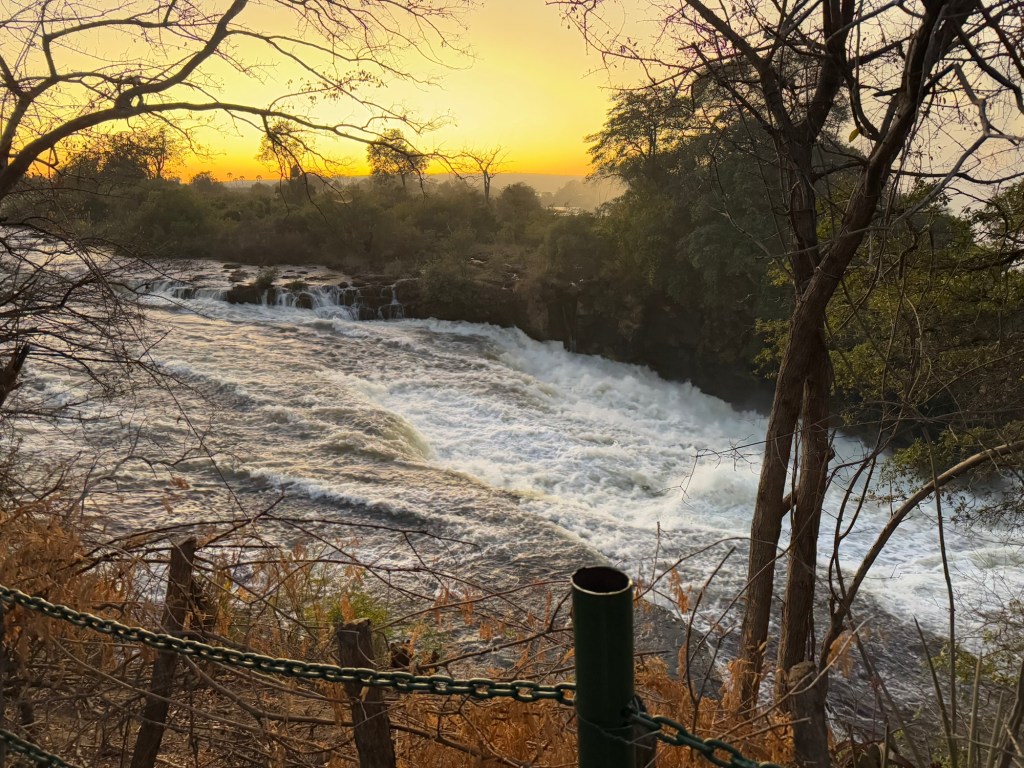
Viewpoint 1 commences at the top of the Falls. It allows the opportunity to look into Devil’s Cataract. We could hear the power of the water as well as see the water descend into the gorge. I personally was struck by the force and the speed of the water.
Moving along the path to Viewpoint 2, we encountered a statue of David Livingstone. Through his travels down the Zambezi River, Livingstone discovered Mosi oa Tunya, “The Smoke That Thunders”. The local people loved Livingstone, and many of the parts of Victoria Falls have names to honor him.
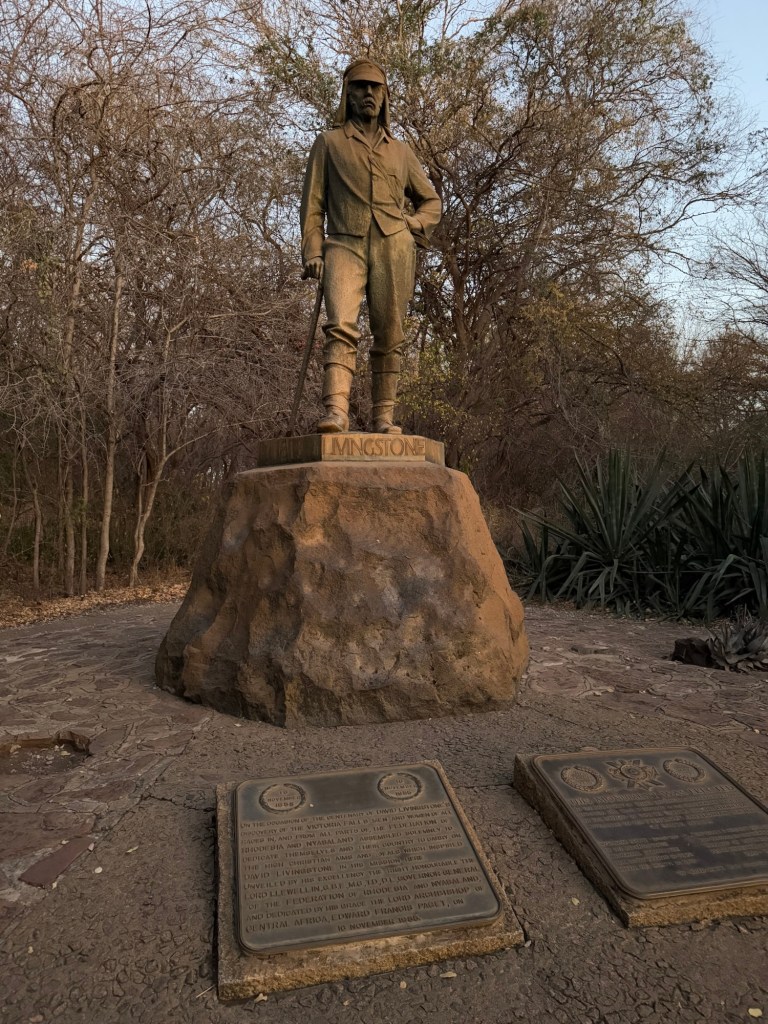
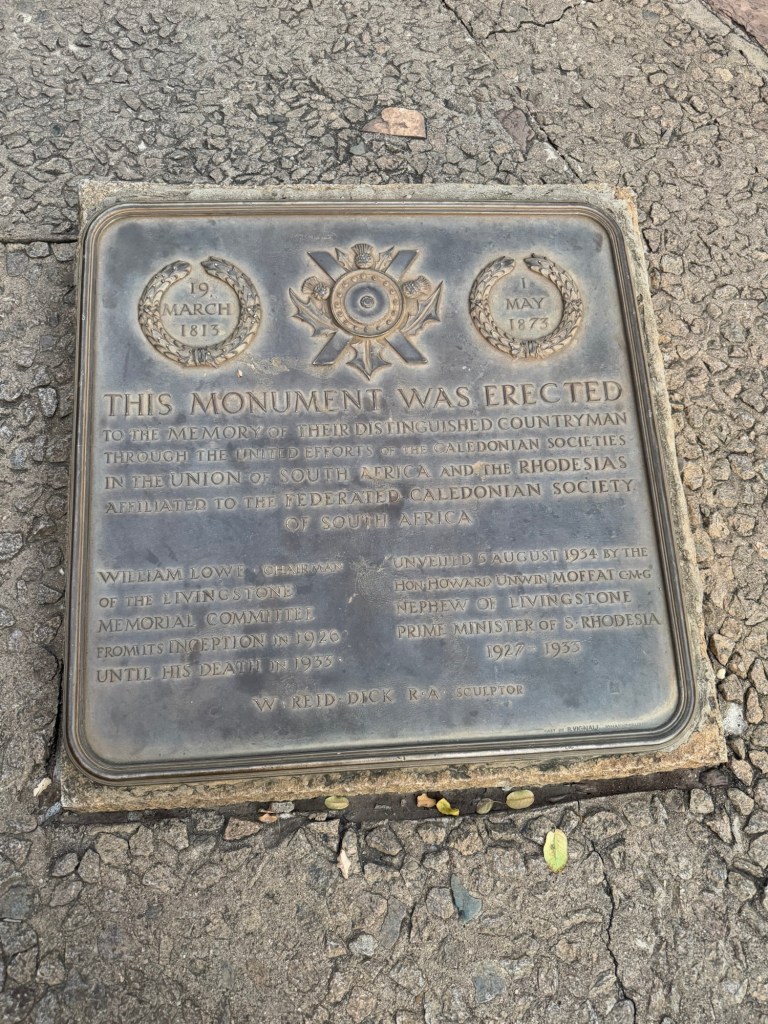
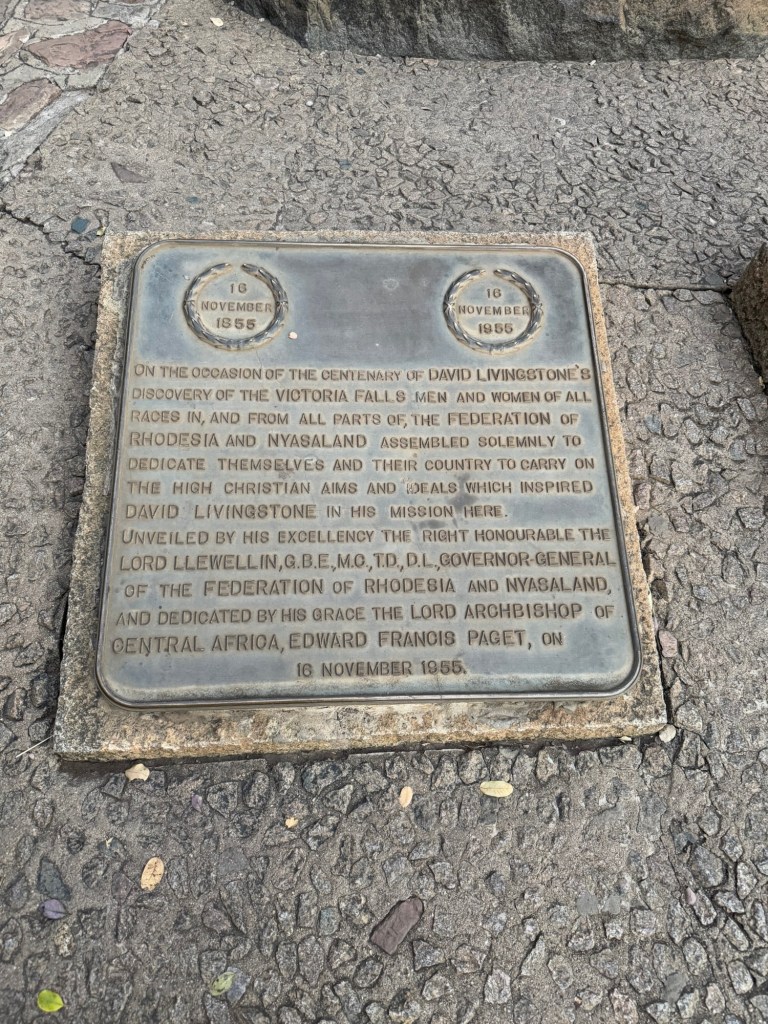
The following Viewpoints took us to different sections of the Falls. We walked through the rainforest, and we experienced the moisture provided from the cascading water. The spray from the Falls often obscured the views, but we still witnessed incredible beauty. (According to other sources, the afternoon views often provide less spray views and more water views as the heat and sun helps some of the spray to dissipate.)
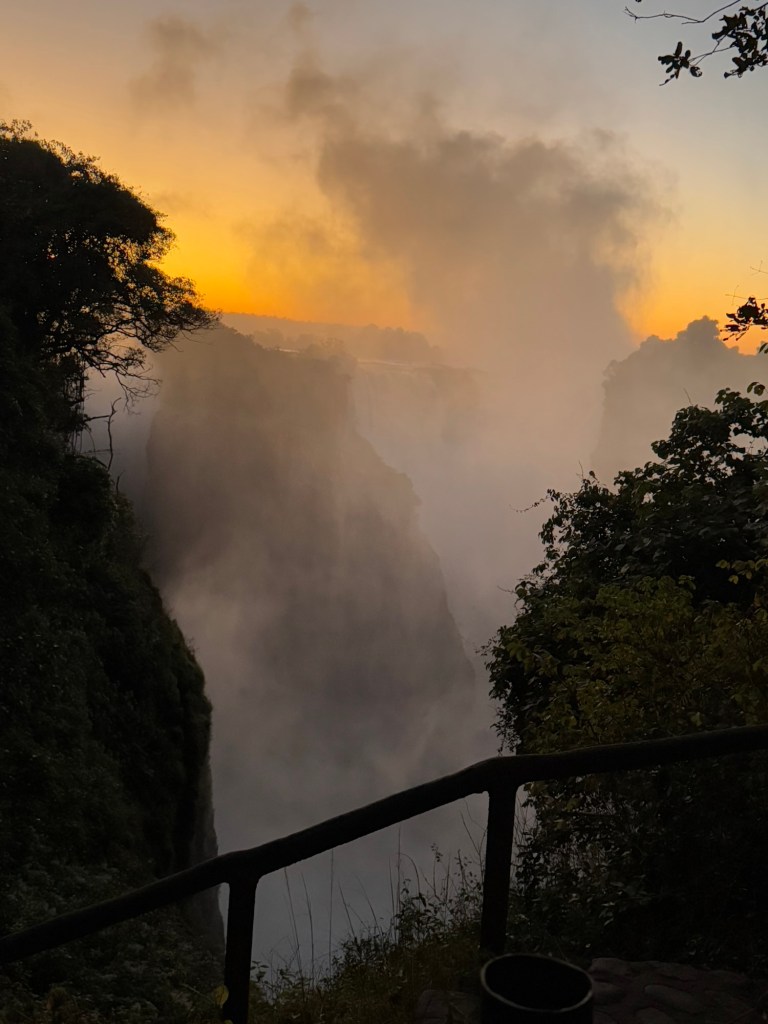
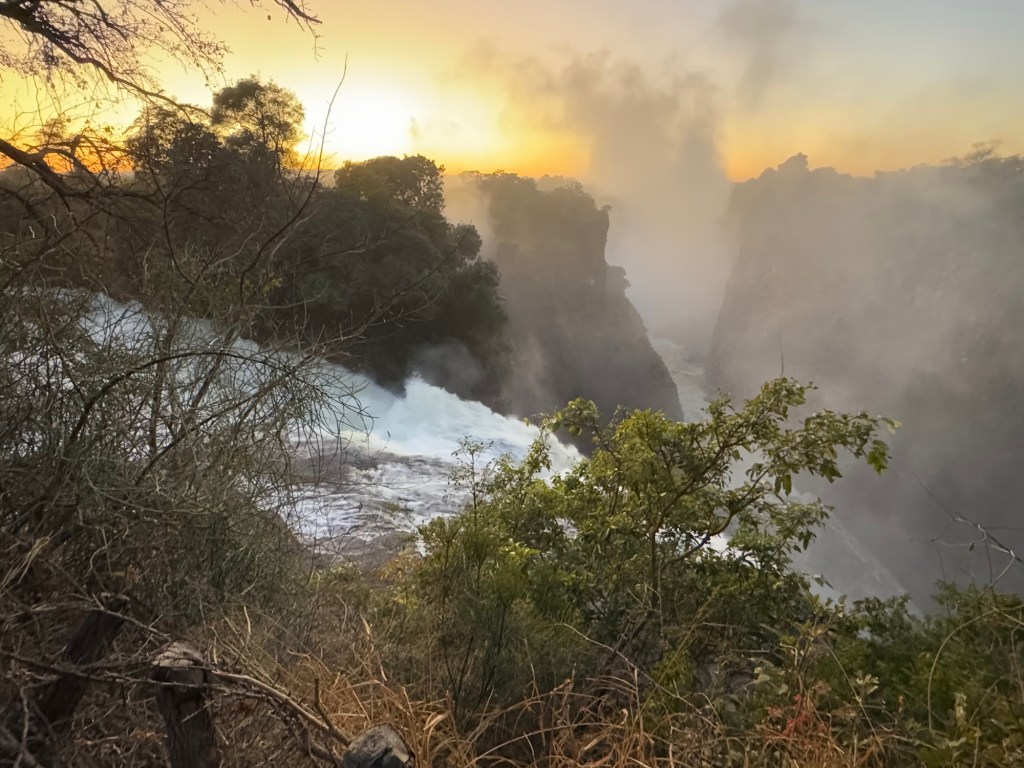
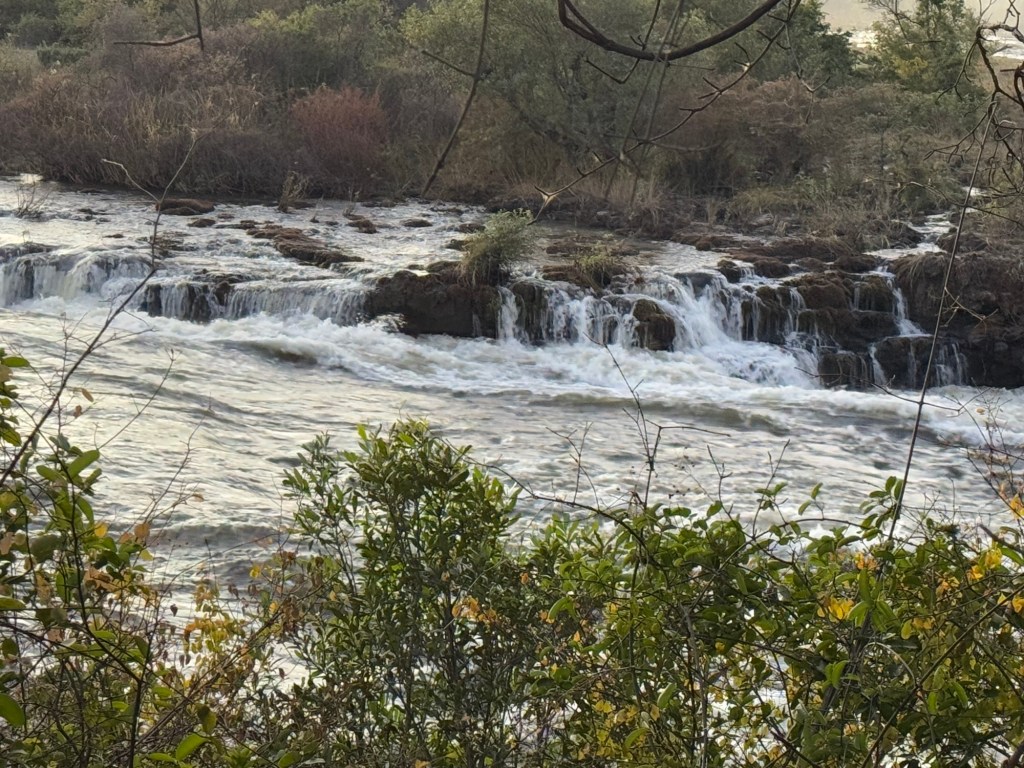
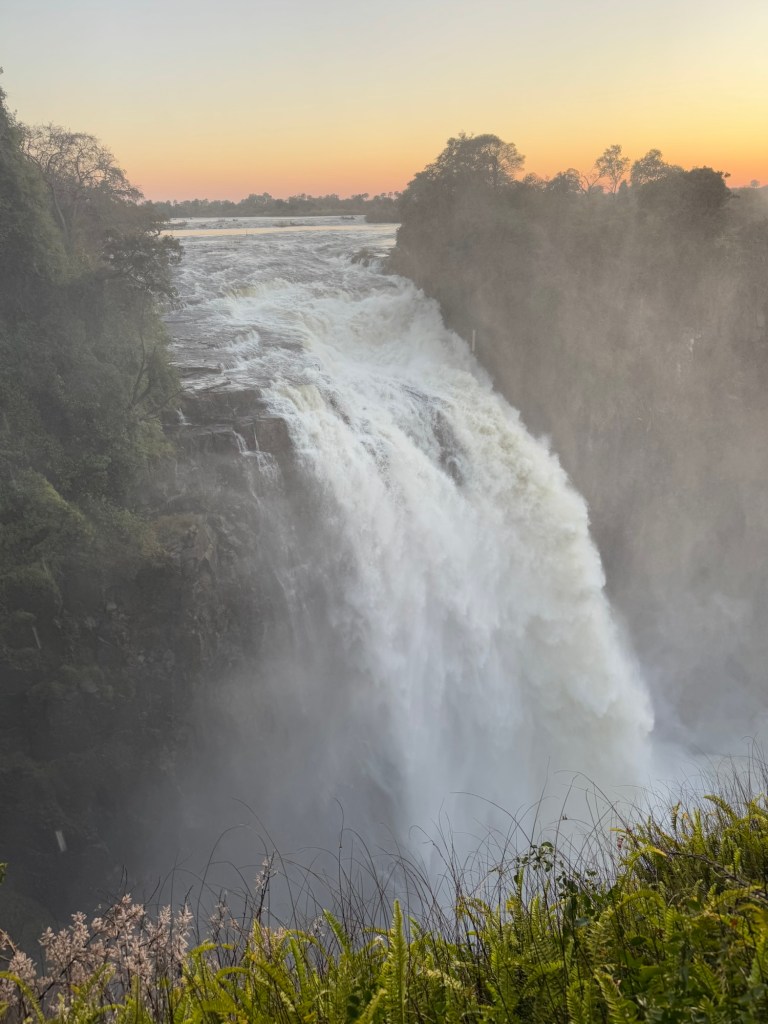
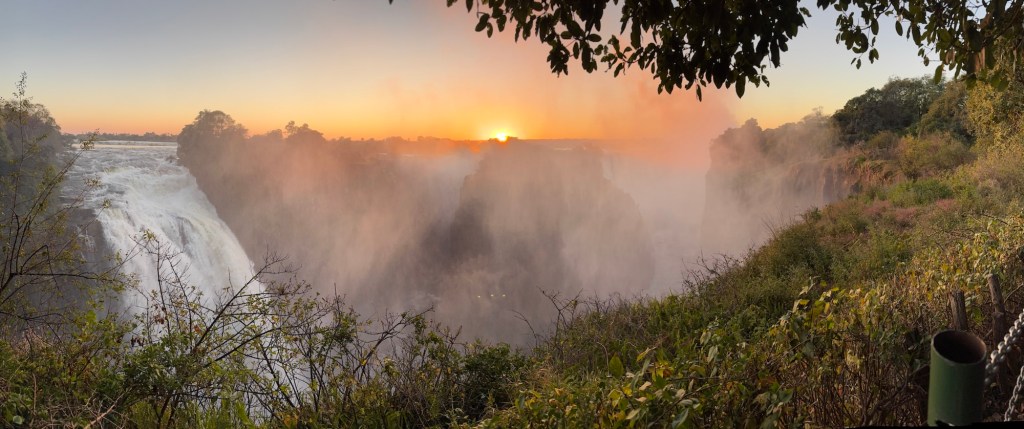
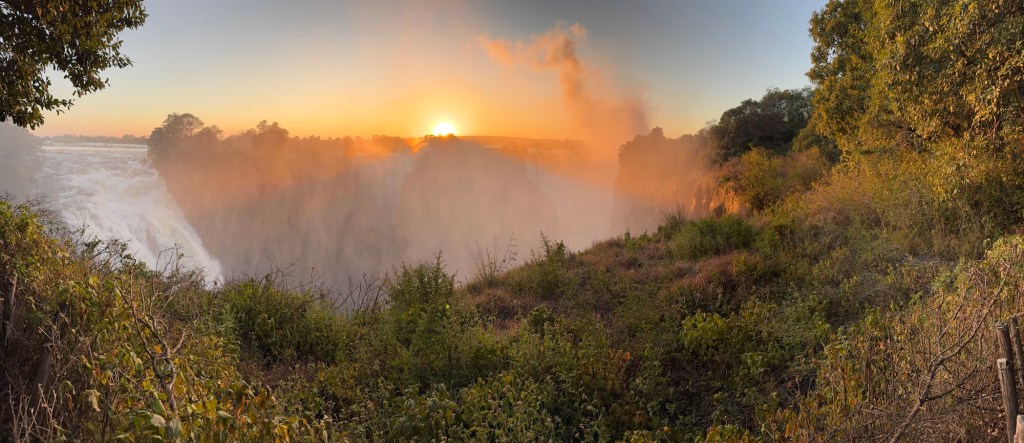
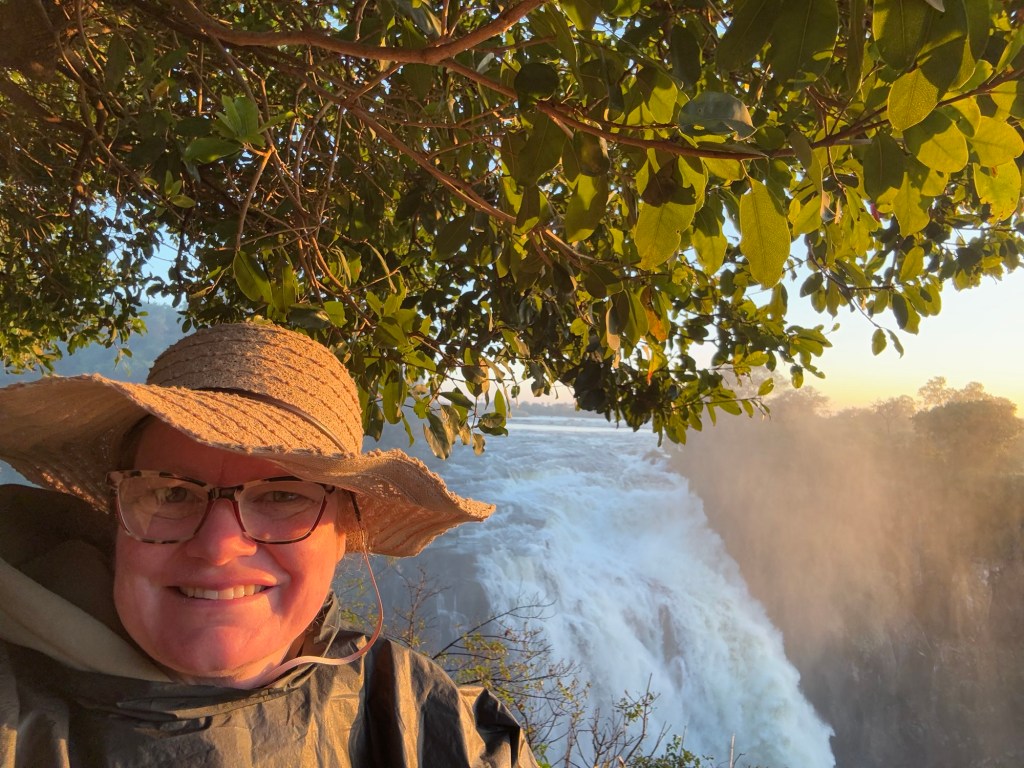
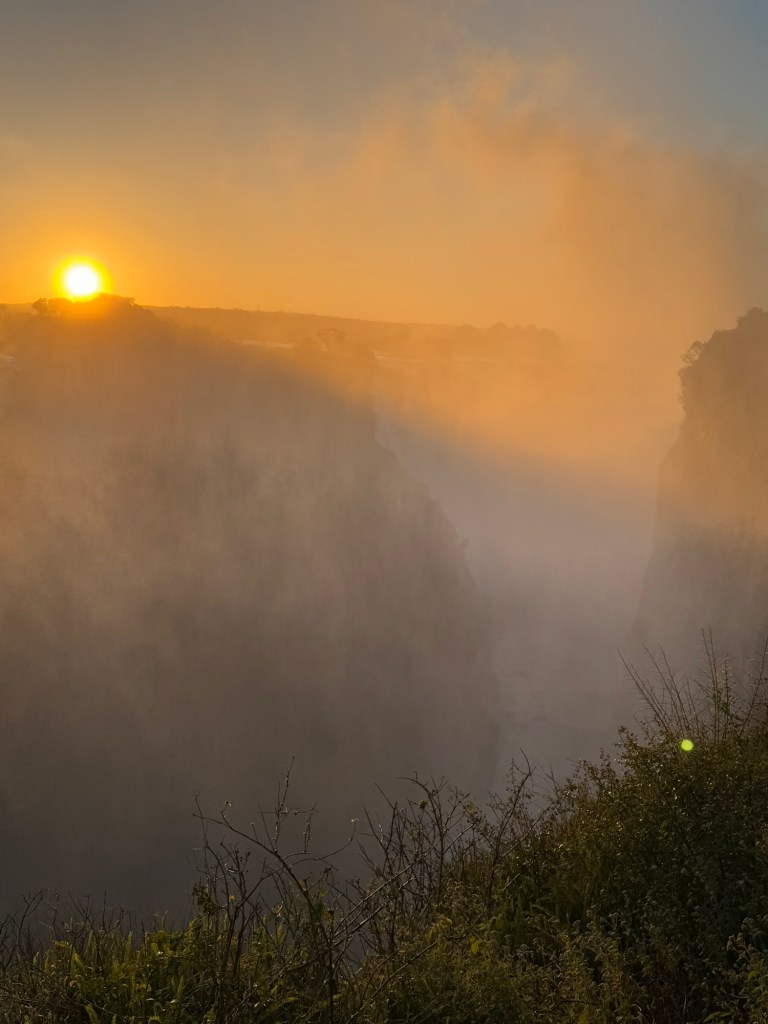

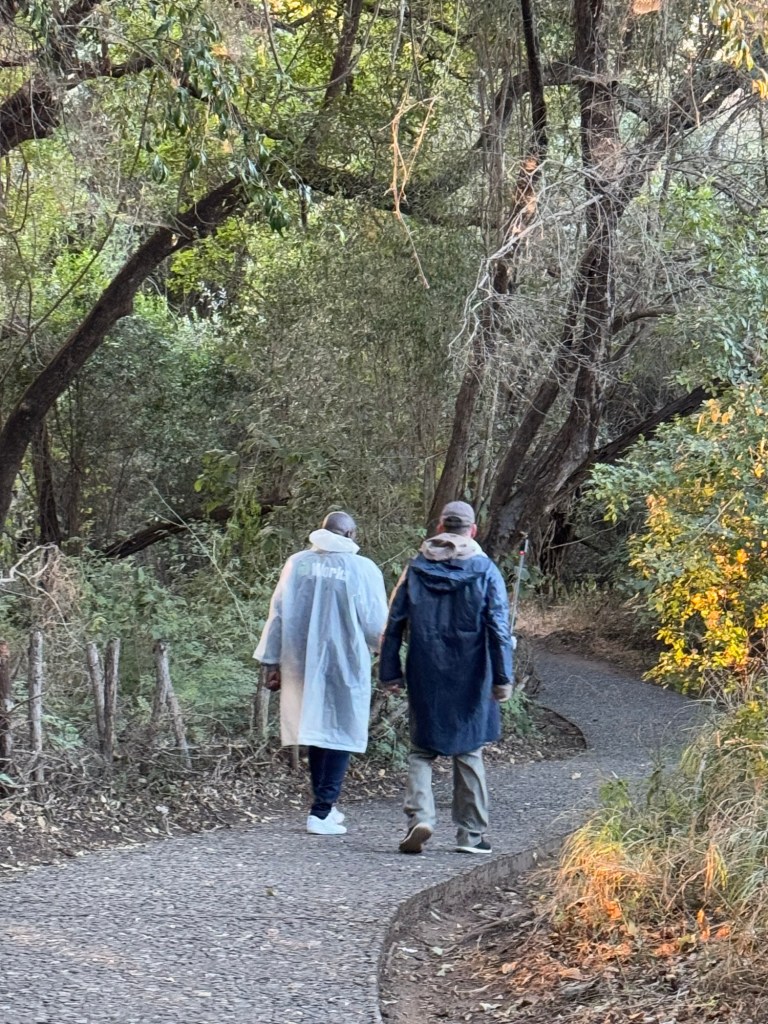
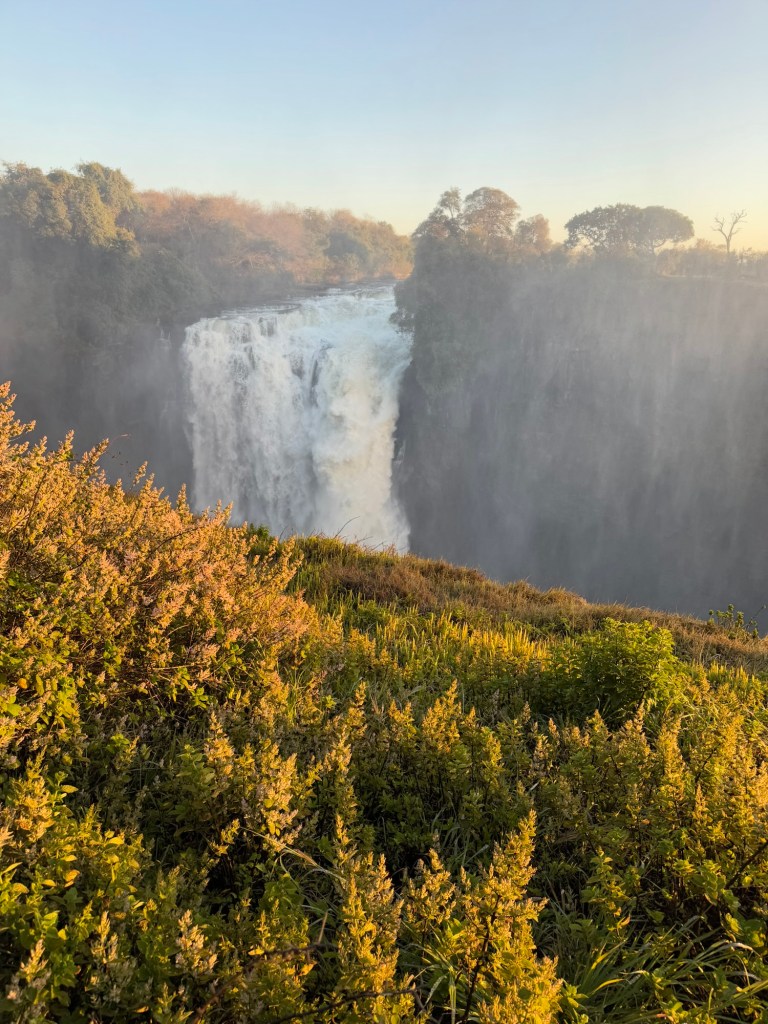
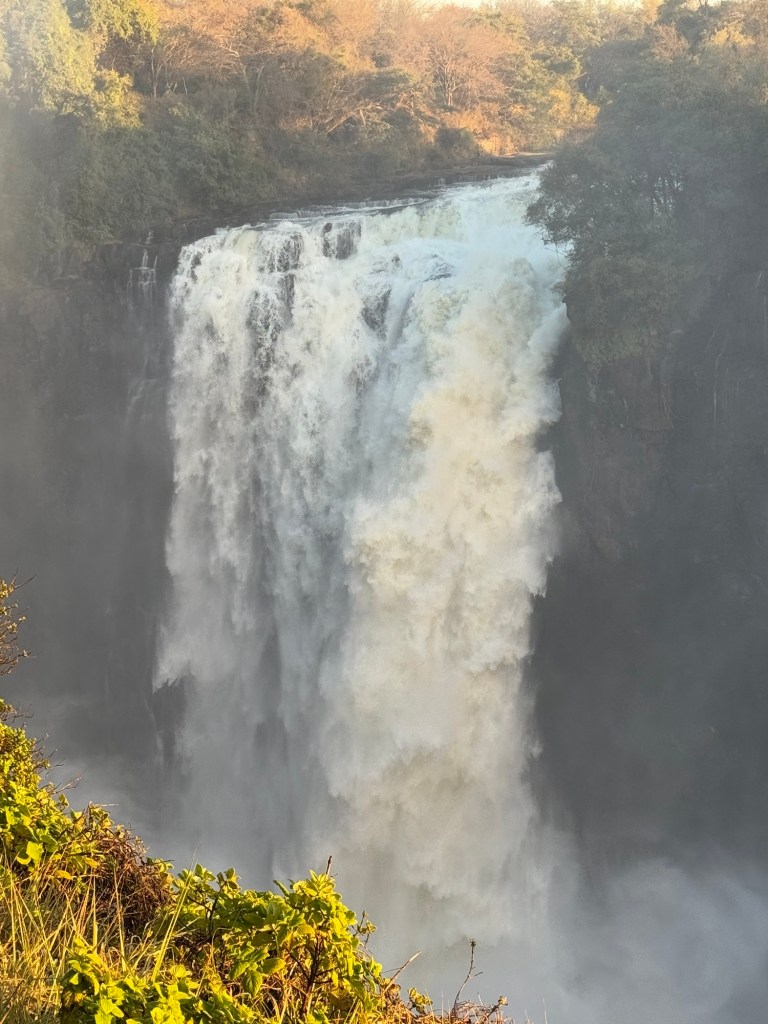
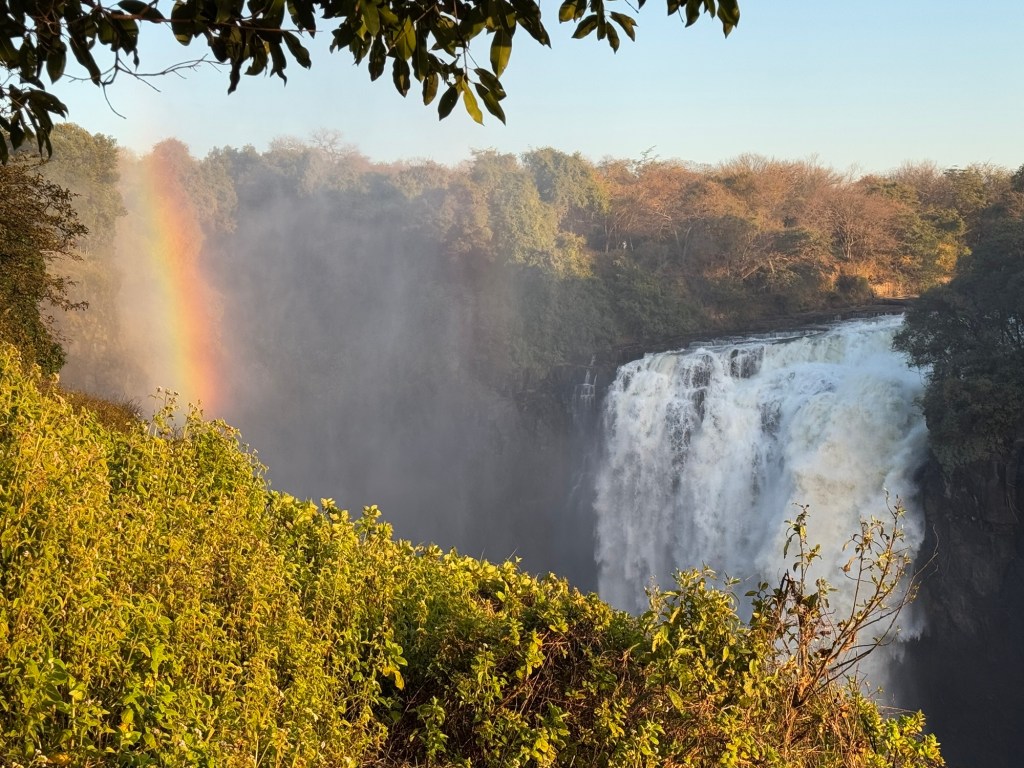
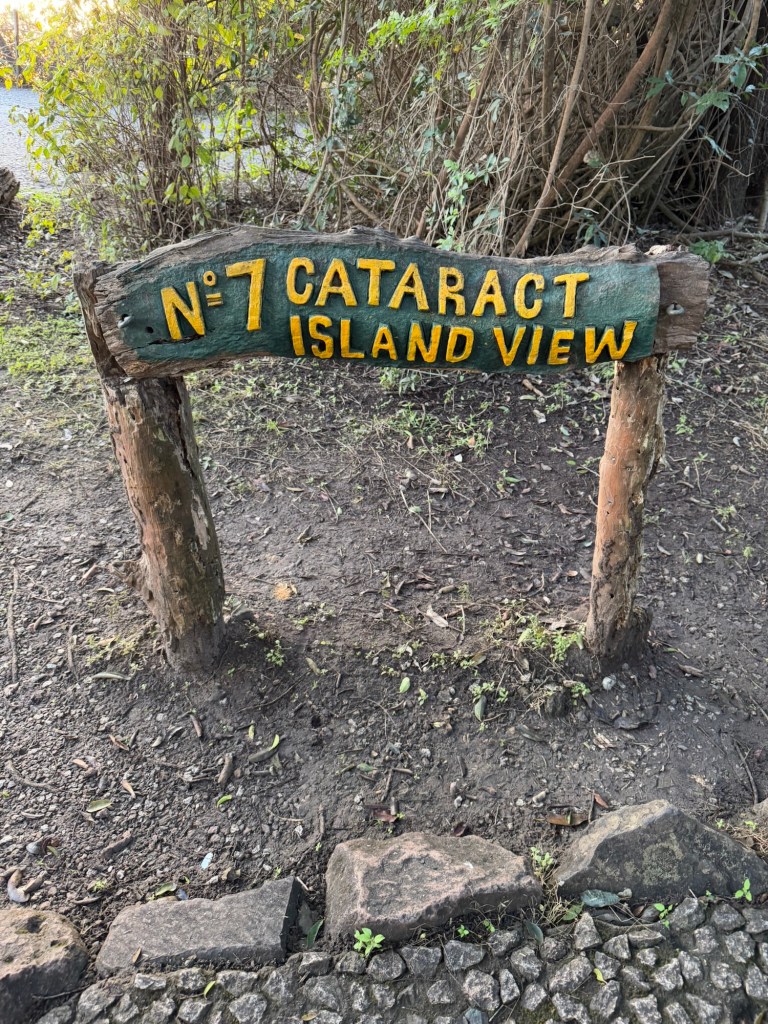
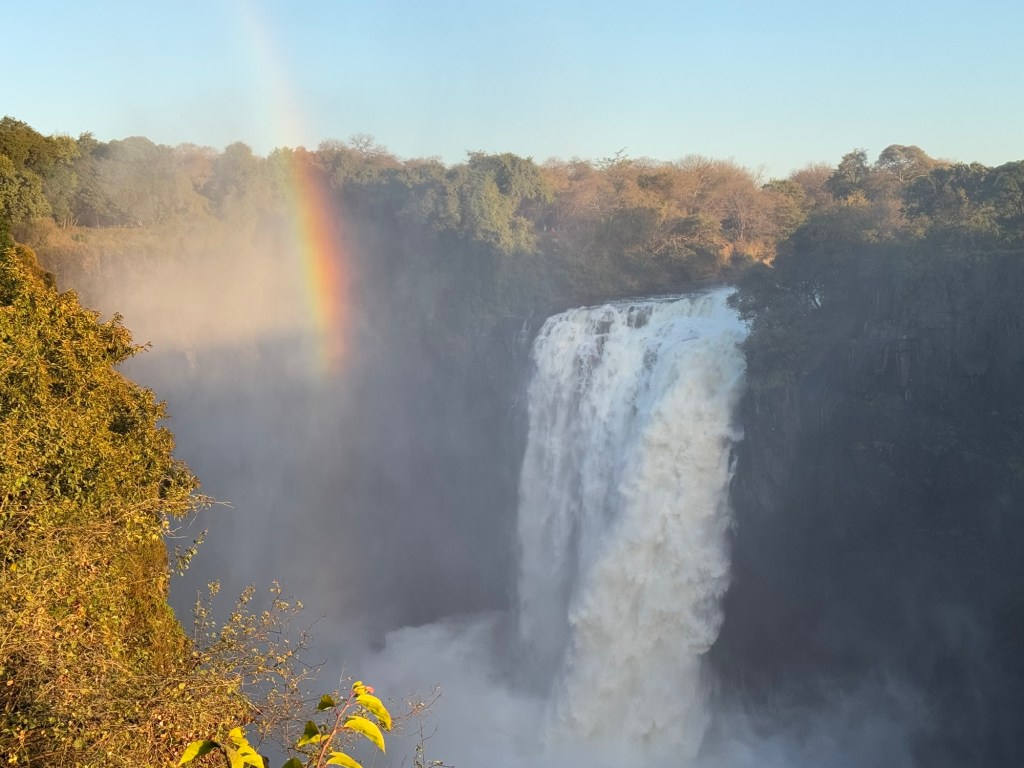

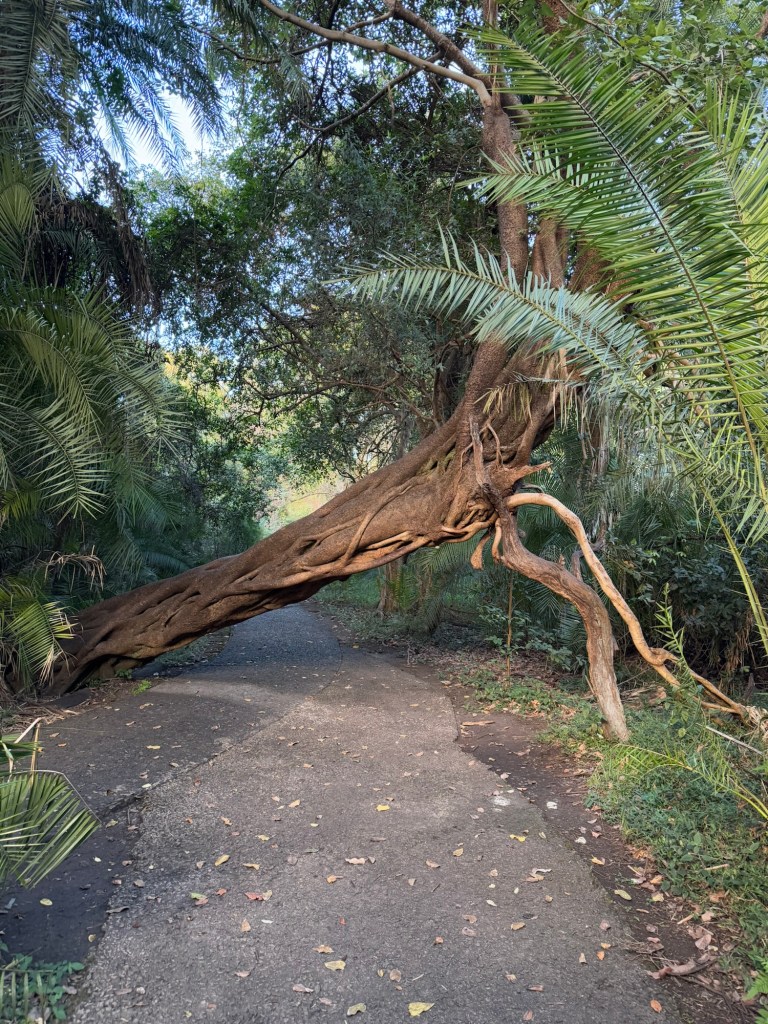
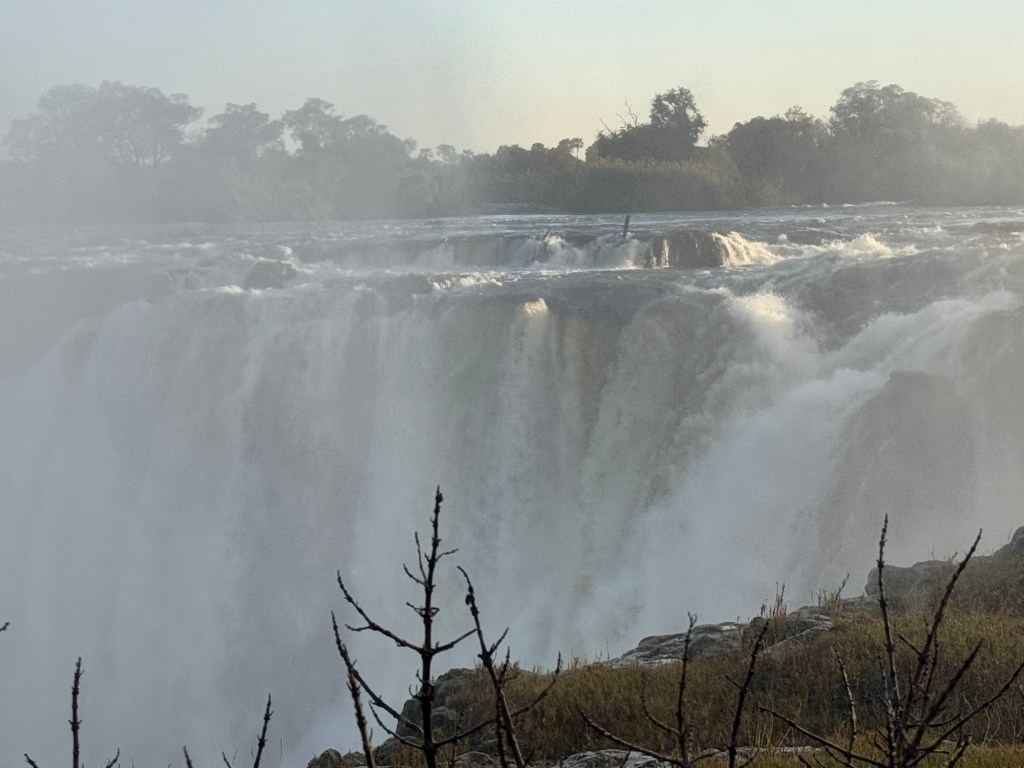
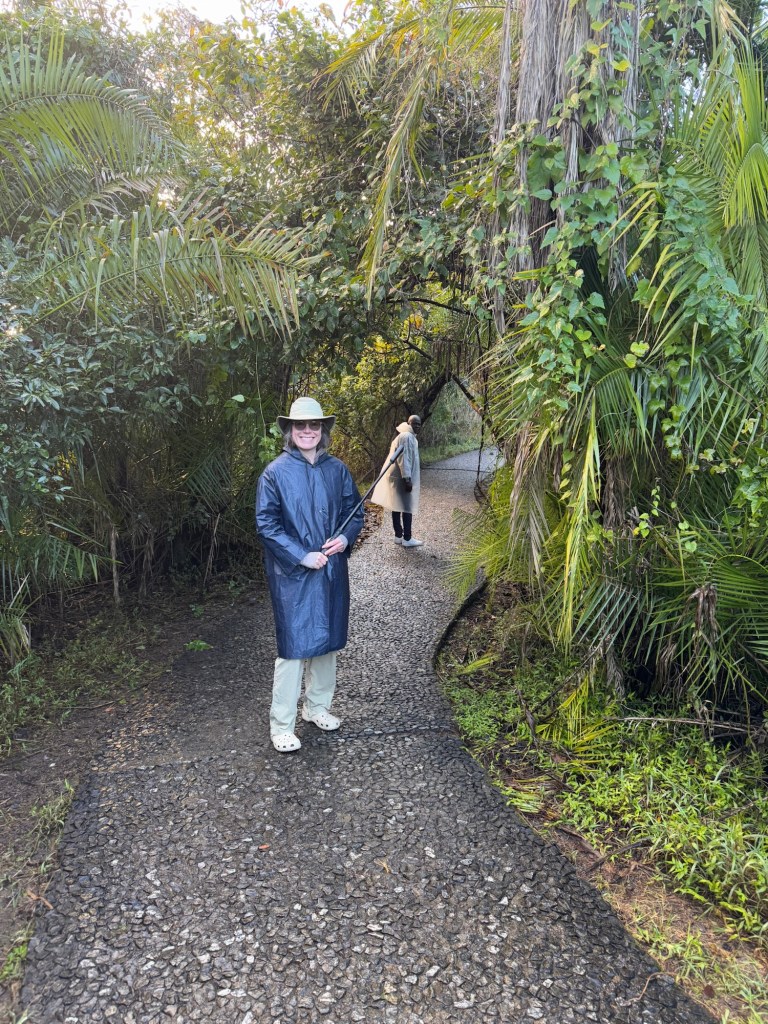
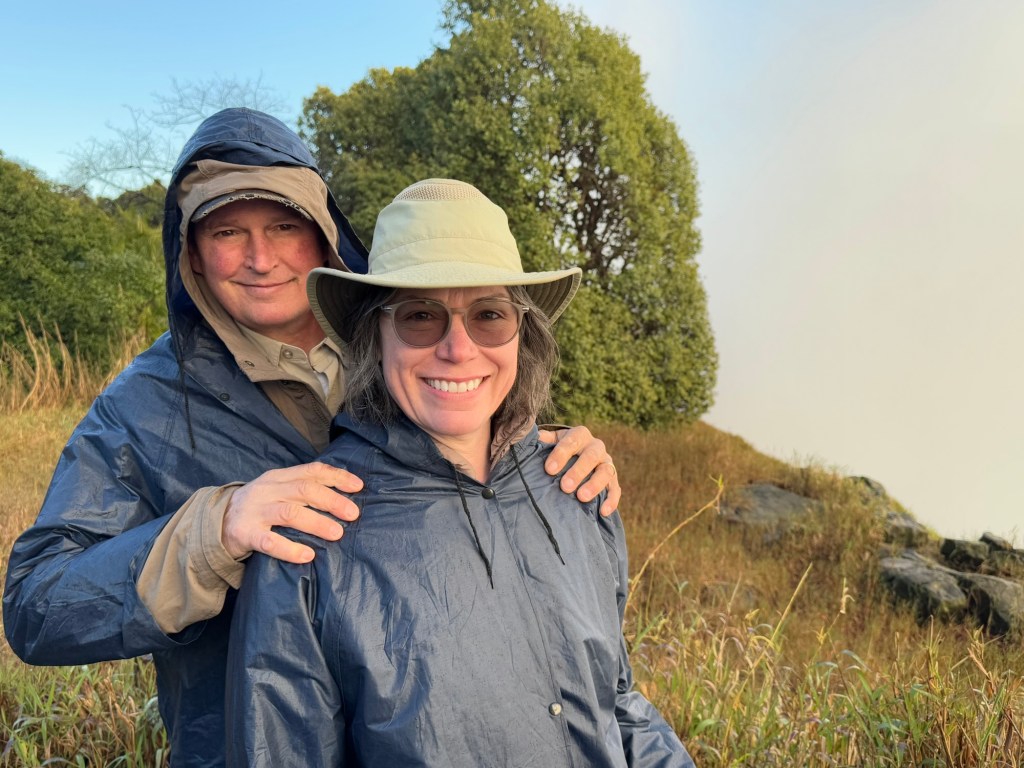
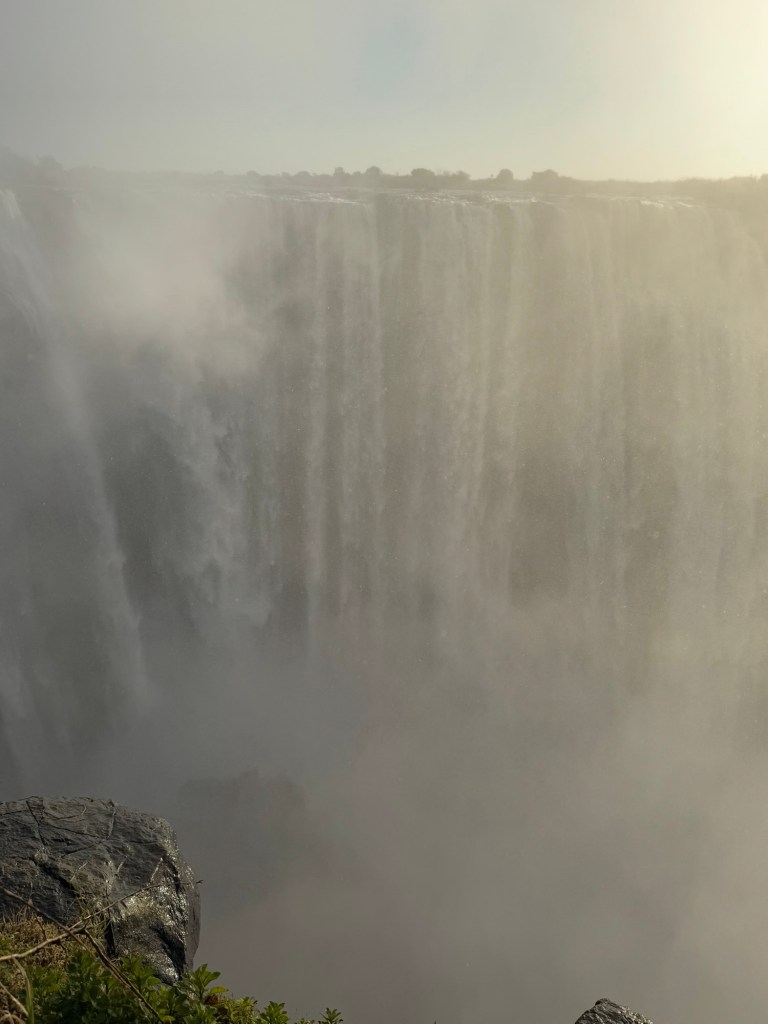
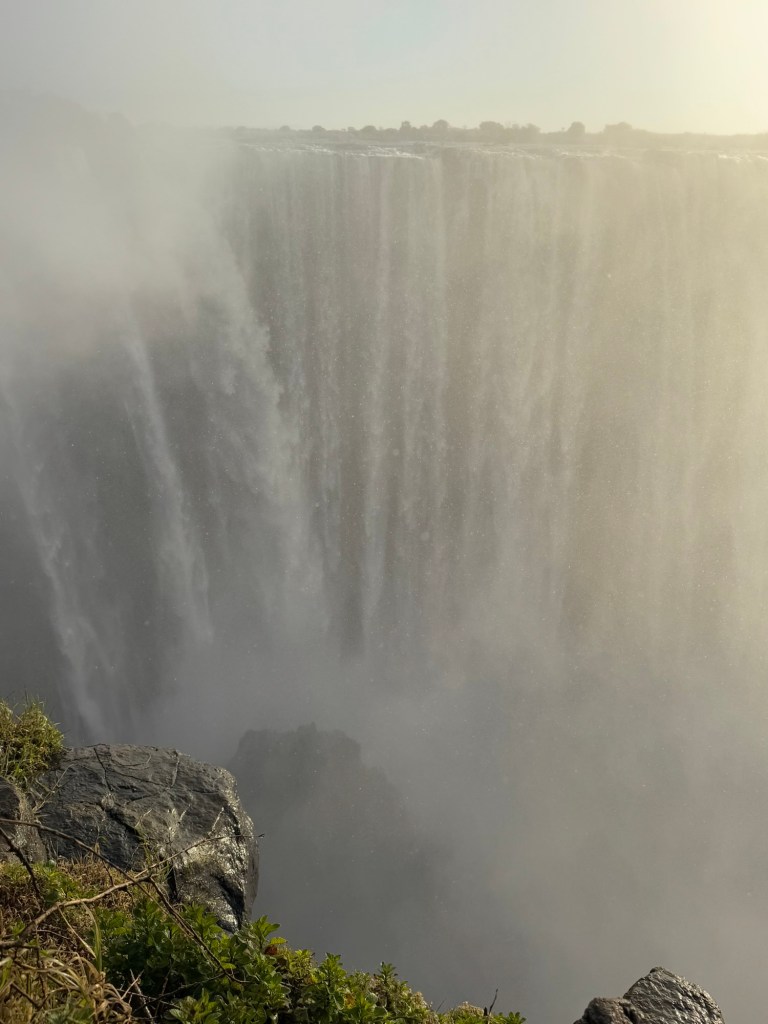

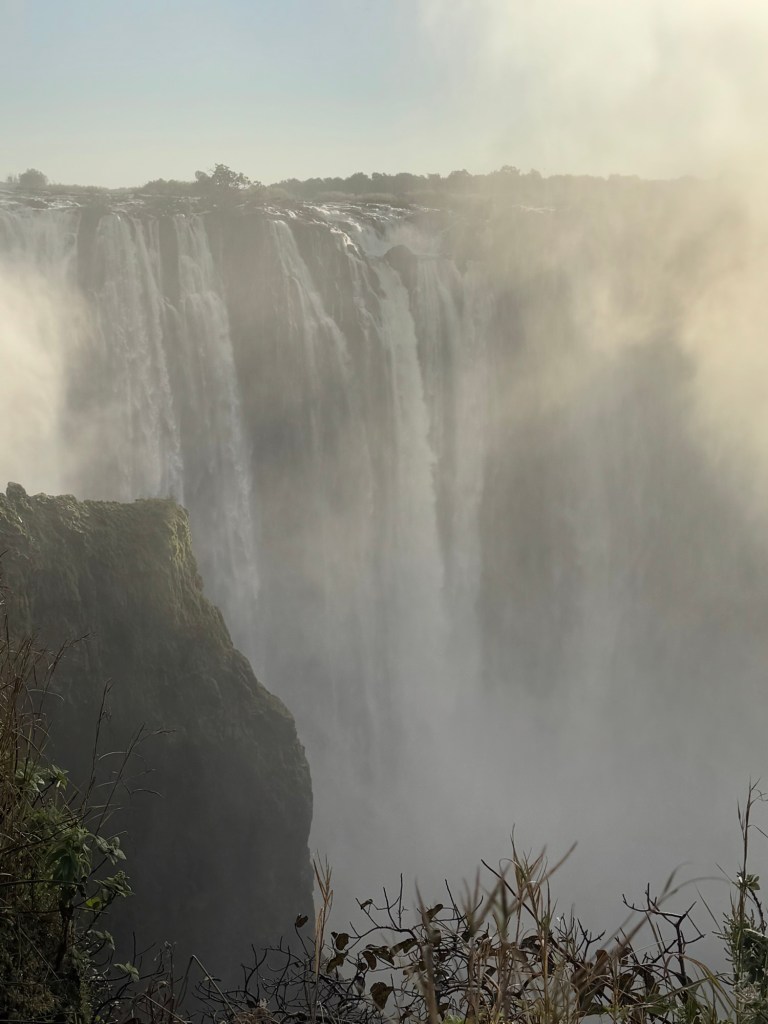
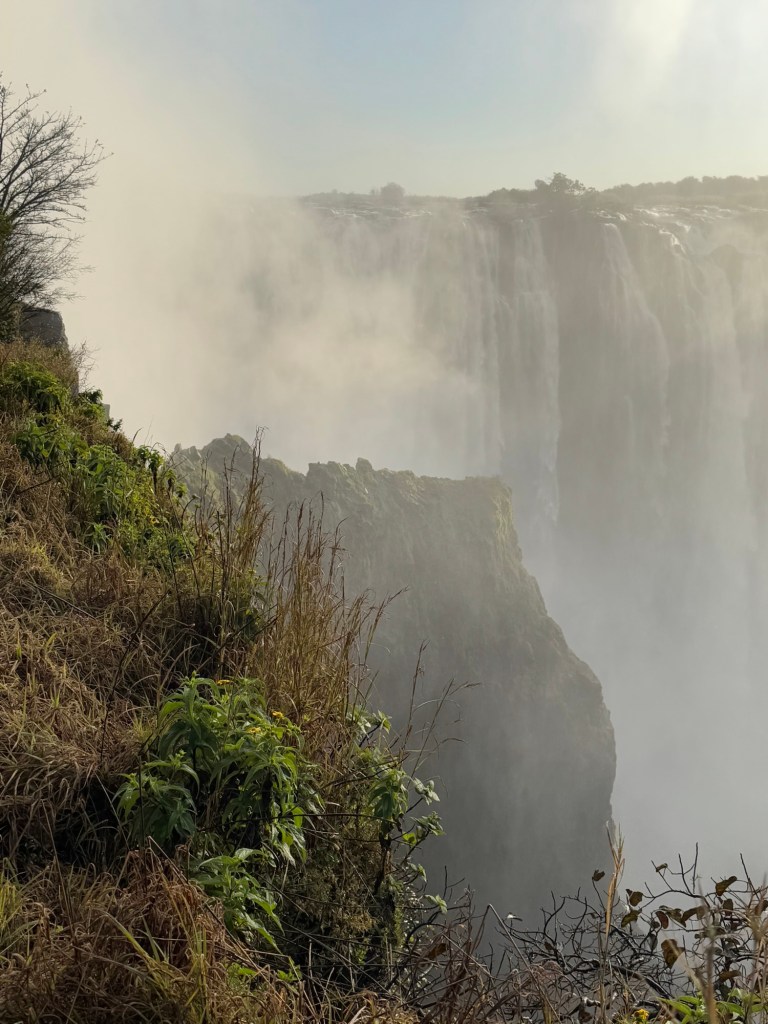
Because we arrived when the park opened, we hardly saw other visitors. I enjoyed having uninterrupted time at each Viewpoint. Mostly, I just loved listening to the rushing water while experiencing such wonder.
 Reba Roams the World
Leave a comment