
Jazz lovers beware…Kansas City is cooking! Should you wish to hear jazz, options include:
- The Gem Theater
- The Blue Room
- Lonnie’s Reno Club
- The Green Lady Lounge
- The Phoenix
- Seriously, Google Jazz places and the list goes on and on
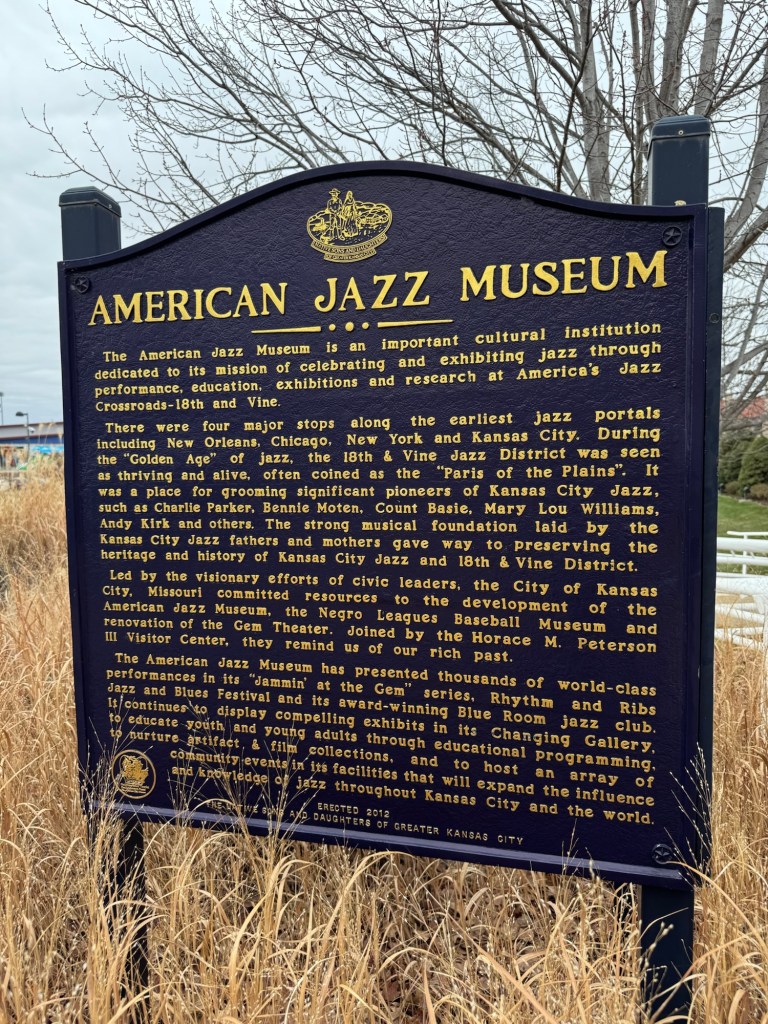
If you’d like to learn about jazz, turn to the American Jazz Museum. Located at 18th and Vine, the museum celebrates America’s original art form. Other cities such as New Orleans, New York, and Chicago also celebrate this amazing past time, but Kansas City showcases jazz’s transformation into a unique swinging style.
I’m going to warn you…if you are looking to read a blog that highlights intelligent discussion about each facet of jazz, you’ll be incredibly discouraged. However, if you need to read how a jazz novice provides insights with a limited breadth of knowledge, you’ll leave this writing enlightened and excited. (I sure hope that’s you).
When I arrived, the museum was nearly empty. I had just finished touring the Negro Leagues Baseball Museum (same building), and I wanted to feel the music. Also, the Jazz Museum has educator’s discounts, and I took advantage.
The desk was unmanned, so I walked over to the gift shop, and the man there eagerly assisted me. He scanned my ticket, and handed me a map of the museum. I could tell the museum had interesting displays despite its compact size. In all honesty I didn’t see the entire museum’s offerings as I arrived before The Blue Room opened its doors. I peeked in and saw people preparing for the live jazz event, but my arrival preceded their performances.
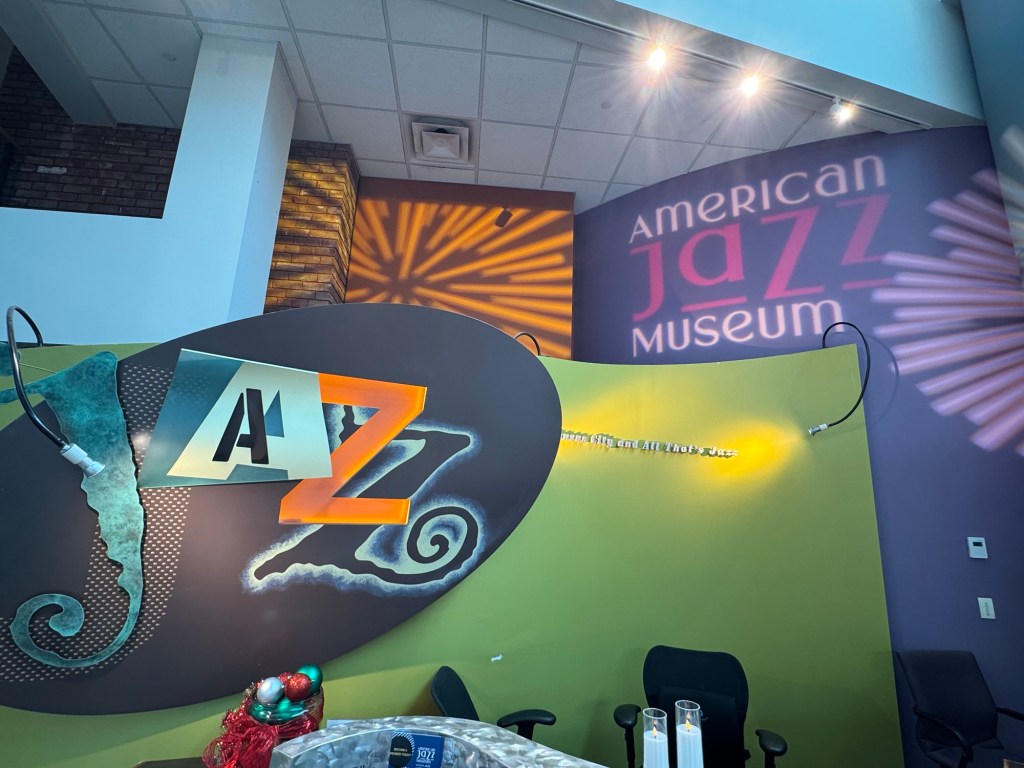
Take your steps into the museum and be greeted by a colorful mural surrounded by the sounds and words of jazz musicians. Bask in the music as you listen to the influence Kansas City has had on the art form. Just as you prepare to enter the main area of the museum, a QR code appears, so you can download and rewatch the video.
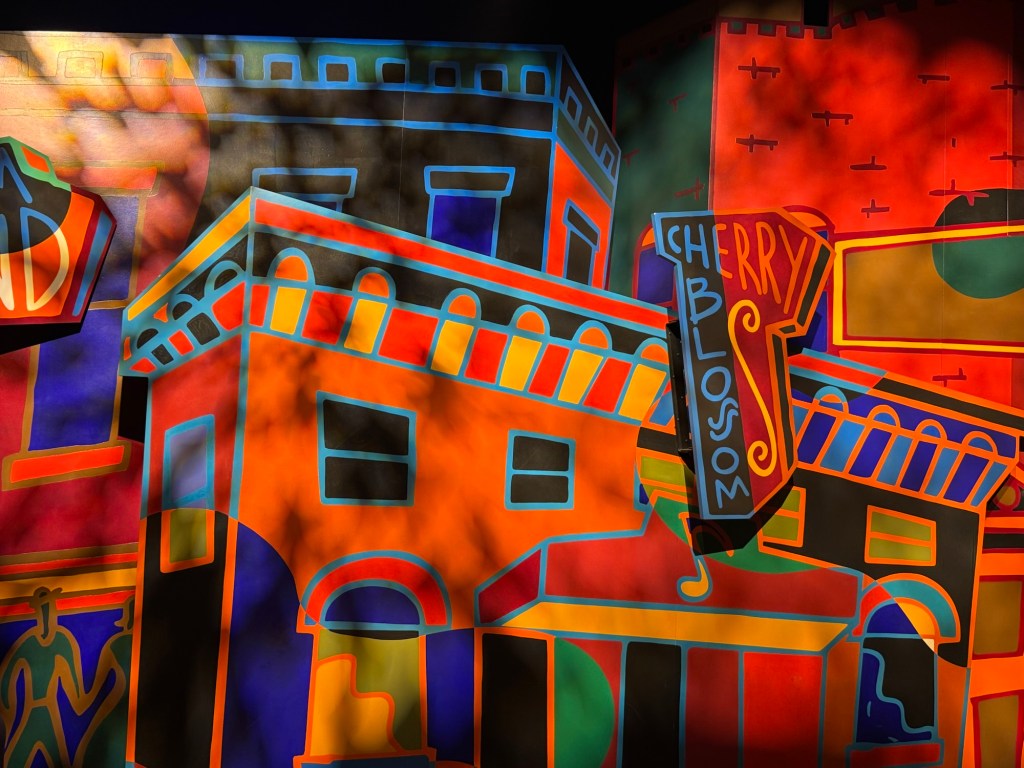
Jazz came together organically. The chants and improvisations from African cultures contributed to the music. Calls and sounds from the plantations found their way into the melodies. Stories of love and loss wove themselves through the notes and created this ever-changing human expression of life. Jazz created a sense of wonder and gave the performers freedom to express themselves uniquely, and this is a recurring theme as you walk through the museum.
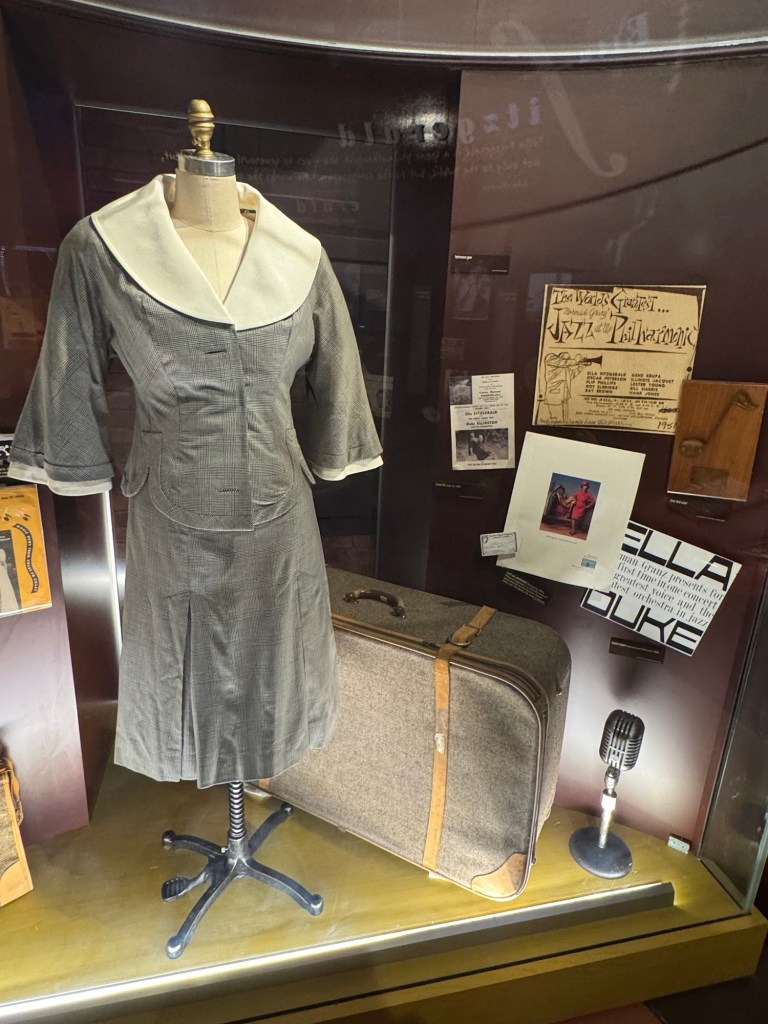
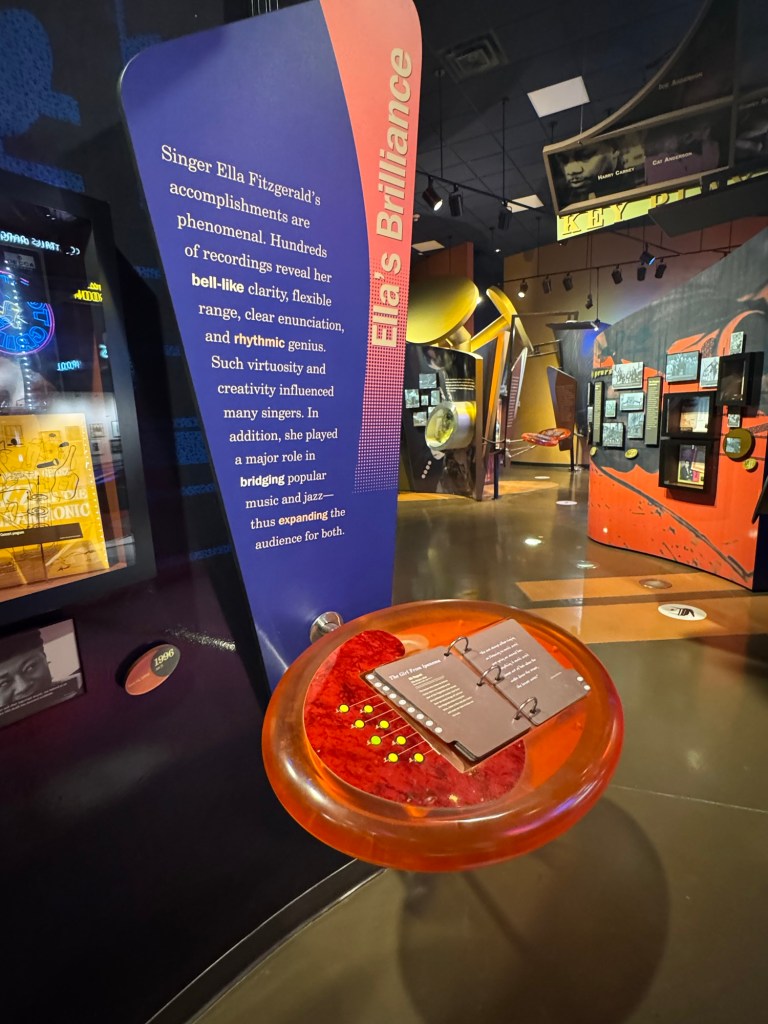
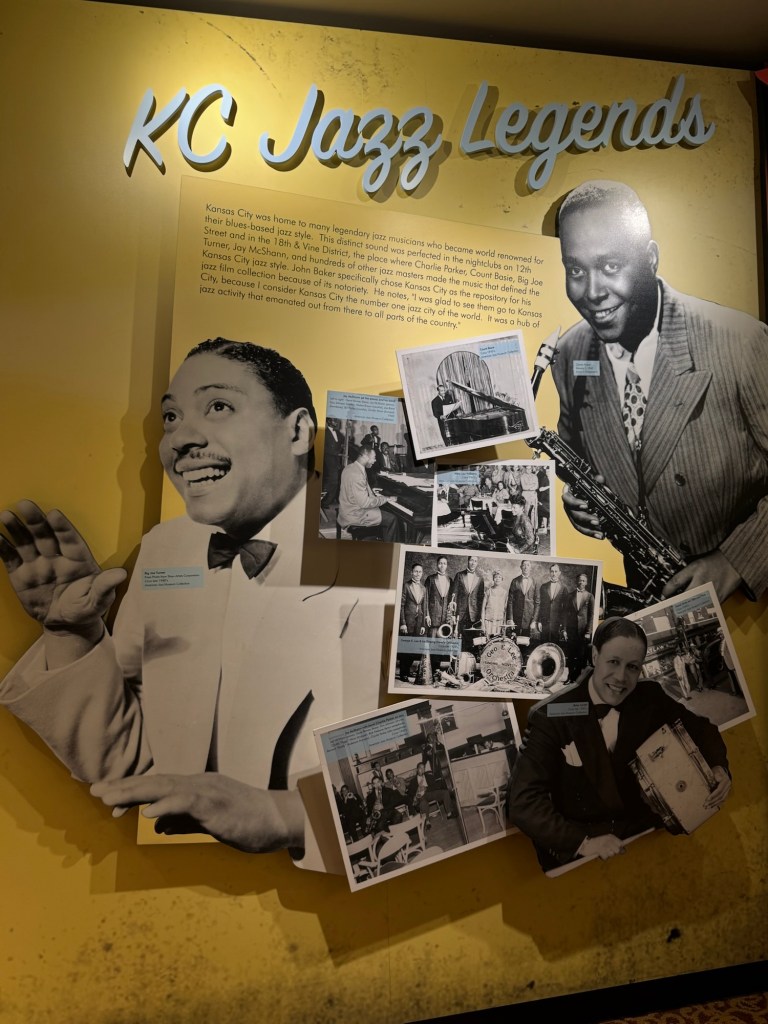
I separated the museum into sections. The first section, biographies, introduced the experience through well-known performers. Artists such as Charlie Parker, Louis Armstrong, Duke Ellington, and Ella Fitzgerald encompassed the area. Artifacts, songs, bios, and photos lit up the room. Each artist had a stand with a book made of plastic pages. Each page was numbered, and a button with the corresponding number sat beside the book. Once you pressed the button, the page was read. Sometimes songs spread throughout the room. The combination of music and information provided a balanced experience.
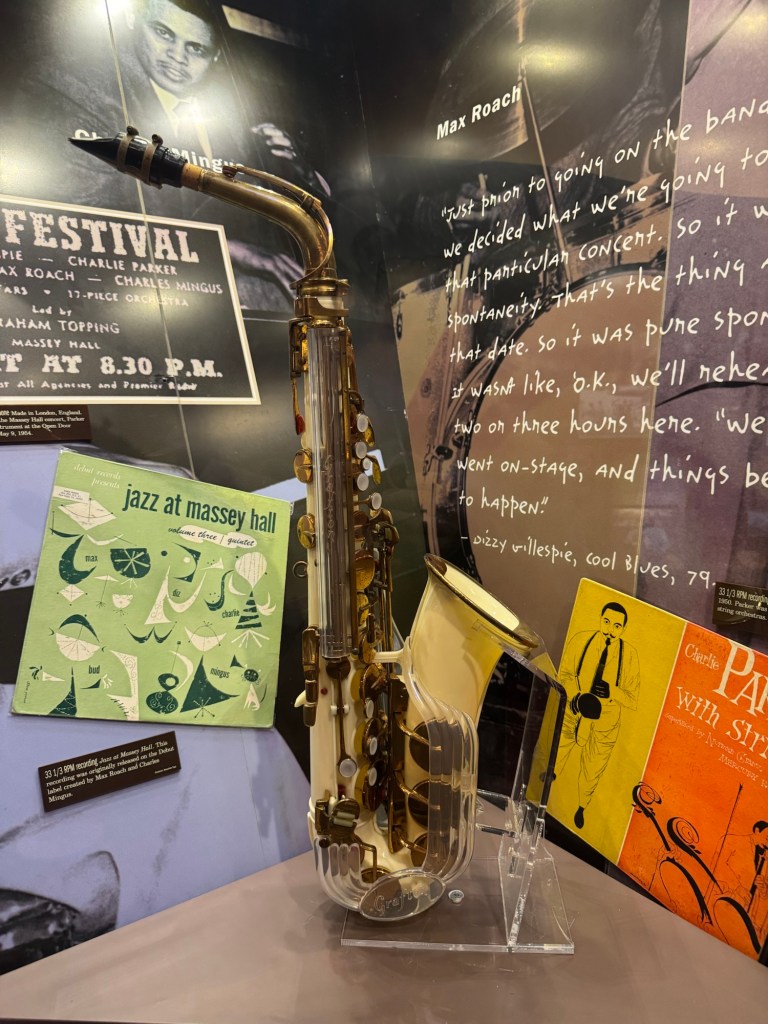
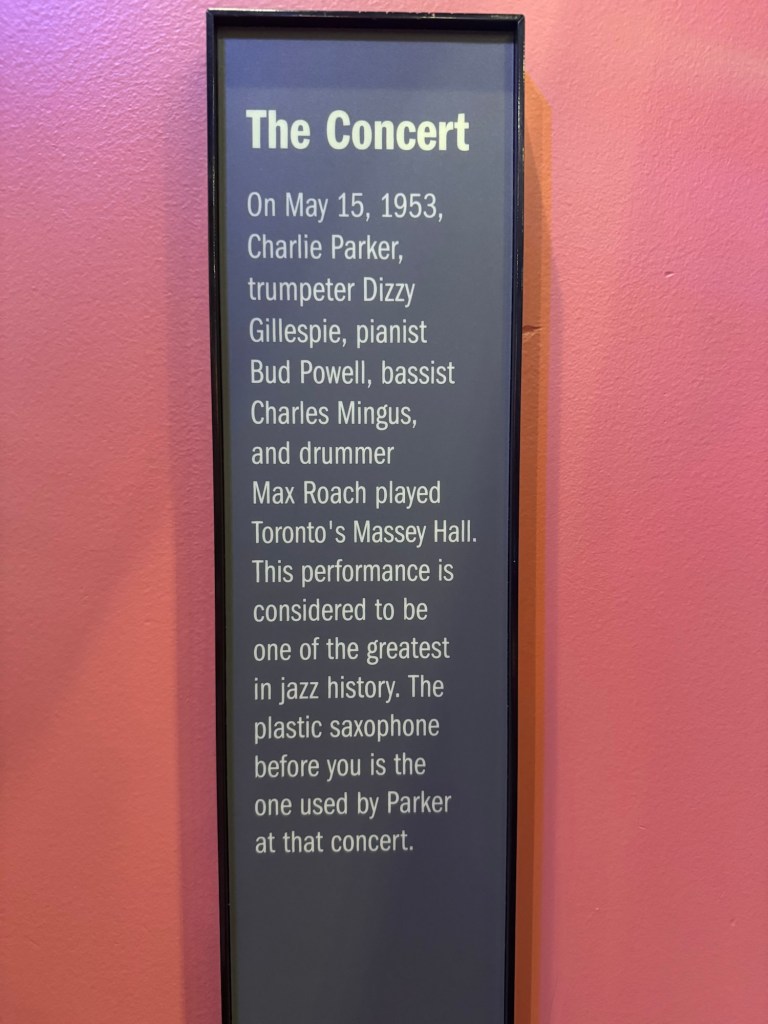
If you’ve followed jazz music, Charlie Parker is a name you’ll know. His Kansas City roots helped place him in the spotlight. His alto saxophone sung out jazz and bebop like no other. In fact, Charlie left high school to pursue music full time. His tumultuous career created incredible performances that are still remembered today.
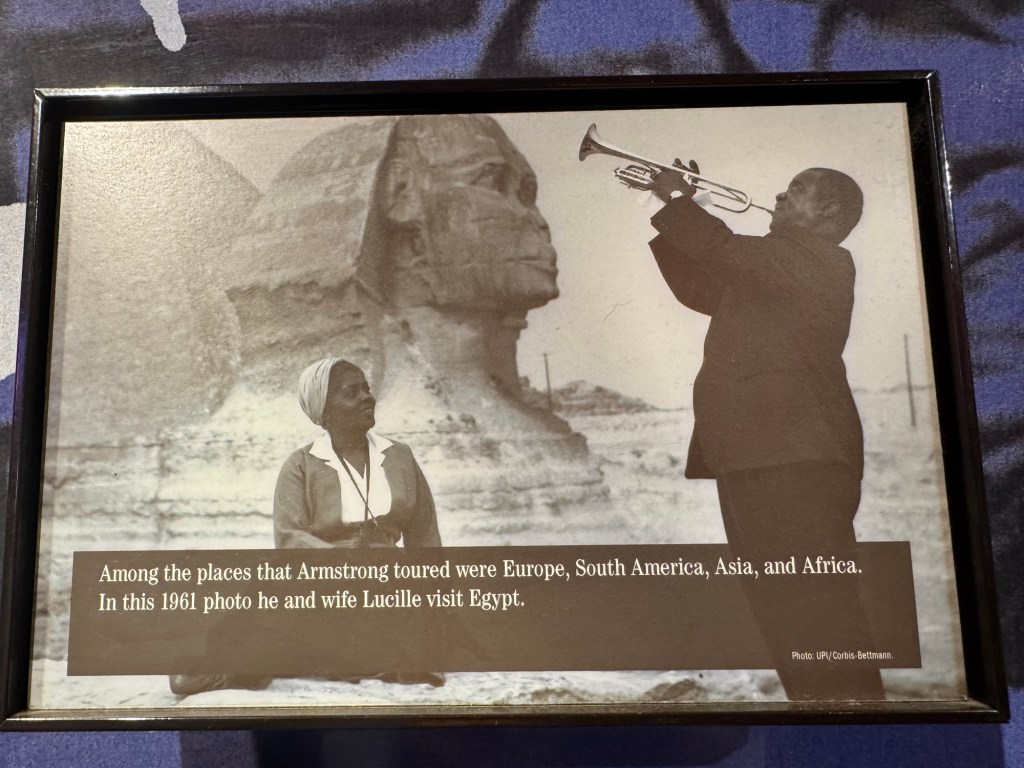
While I know the likes of Duke Ellington and Ella Fitzgerald, the jazz musician I know best was Louis Armstrong. His rendition of What a Wonderful World has permeated mainstream channels, but I fondly remember his performance in Hello, Dolly with Barbra Streisand.
Louis traveled and played music throughout the world and did his best to fight racism throughout the world. His voice, both in song and in support of social reform, left a profound impact on me.

The second section of the museum includes musical instruments and individual lessons with each one. Walk up to the guitar and immerse yourself in its unique sound. How does the guitar blend with other instruments? What is its function in a jazz band? What importance did it play in this amazing history?
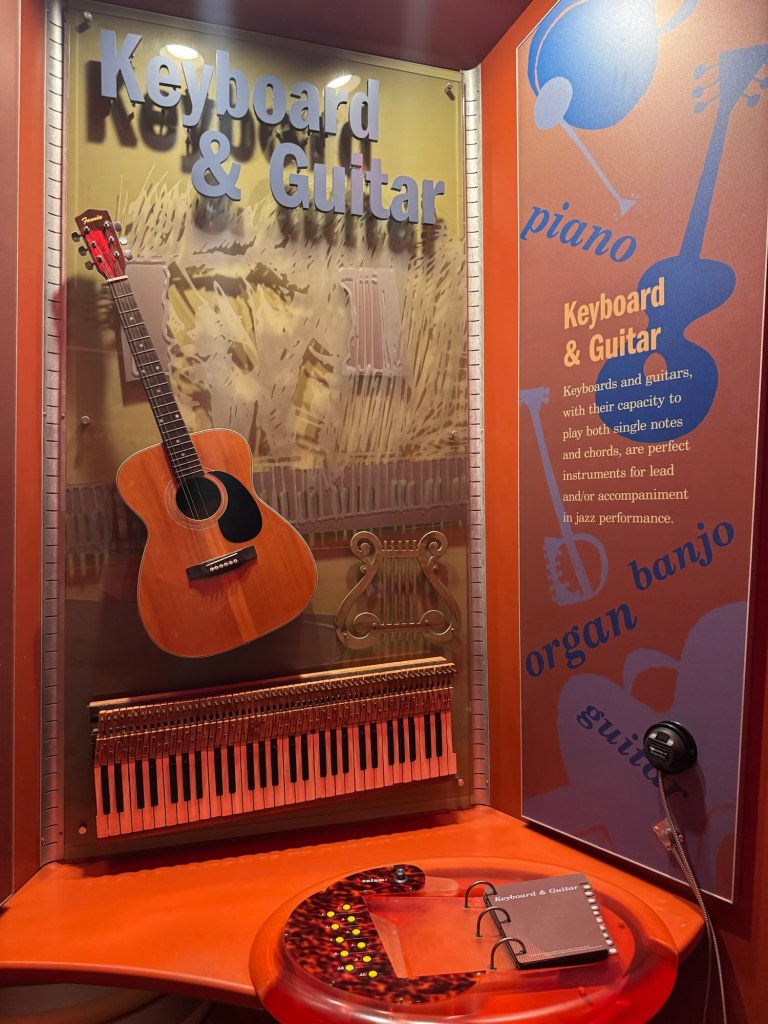
As you wander from instrument to instrument, you not only see the parts that make up the whole, but you also feel its music resonate within you. So many instruments create jazz. I never realized how perfectly they fit together.
The final section shows jazz in life. An eight track machine, records, movies…Jazz quickly encompassed American lives, and it still entertains today. Throughout this third section, you watch movies or look to the neon signs. Each item helps you see the importance of this art form that grew in prominence, starting in New Orleans and spreading to places like Kansas City.
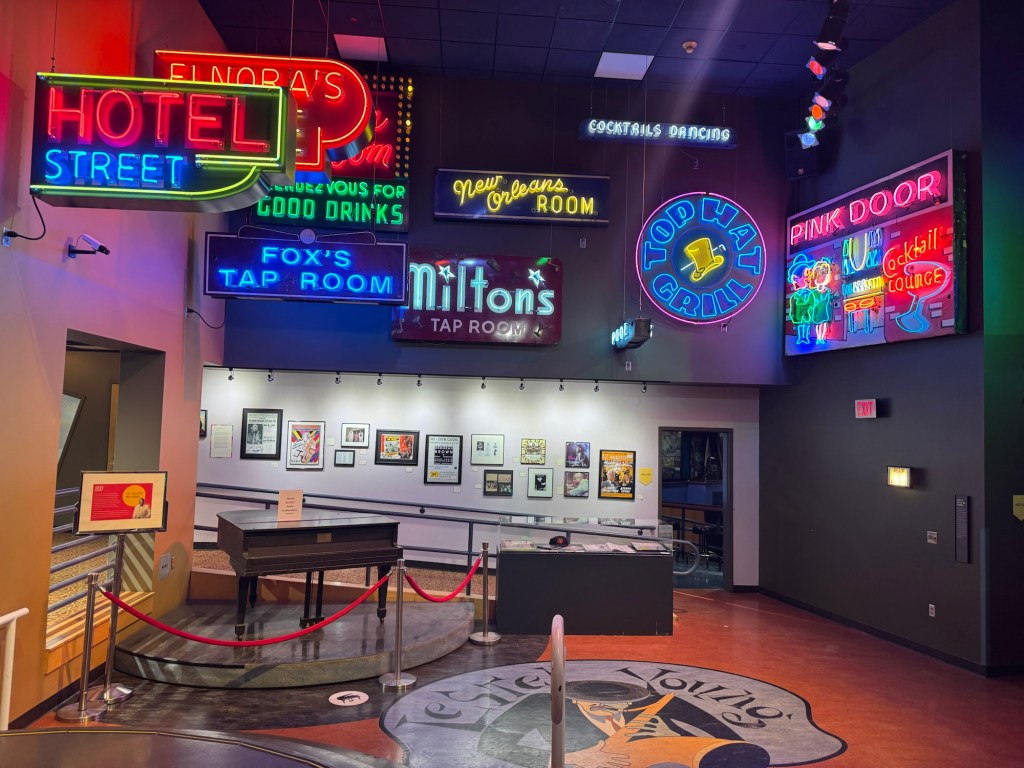
Visiting the American Jazz Museum can take hours of exploration or moments of insight . However, if you give it the time, jazz will tickle your tastebuds until you can’t wait for more.
 Reba Roams the World
Leave a comment