
I’m going to be honest…before doing research for this North Carolina expedition, I remember hearing the words “Biltmore Estate”, but I never tuned in enough to process its existence. So, when Tracy and I began talking about Asheville, North Carolina, we decided it might be interesting to see, and, well, it would give us something to do. Then we talked to other people who insisted the Biltmore would be worth a visit. With the Christmas season surrounding the estate, we anticipated a beautiful display of festive feelings.
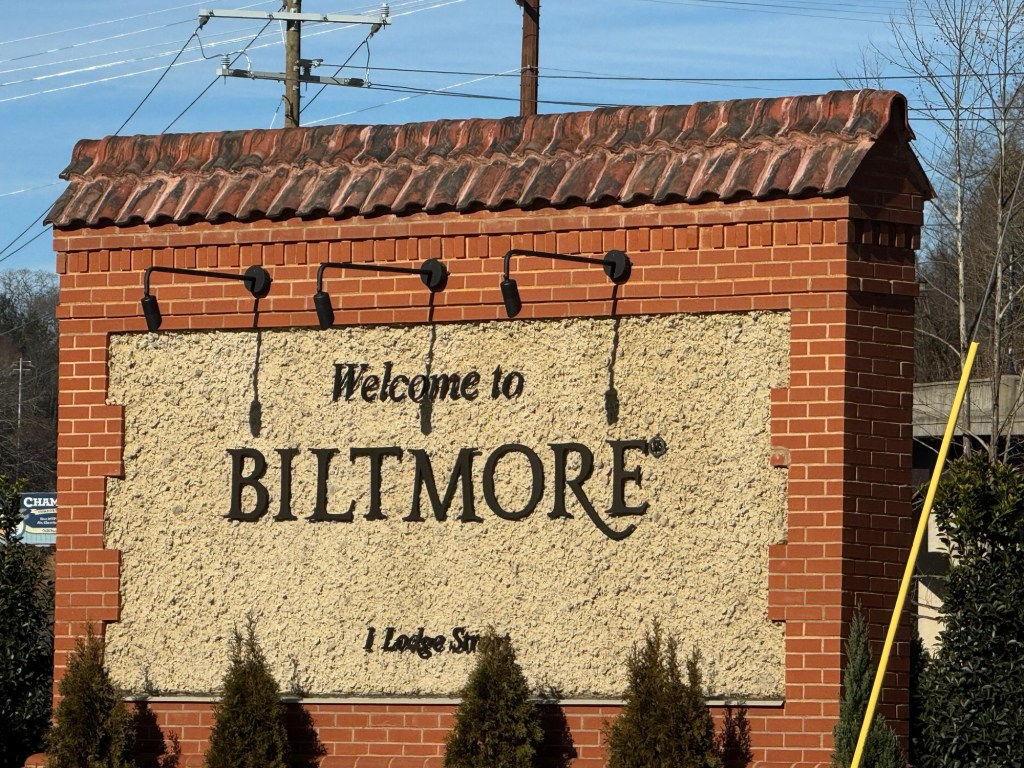
For those of you who don’t know much about the Biltmore Estate, the history lesson begins now…
In the late 1800s George Vanderbilt traveled to North Carolina where he fell in love with the beautiful Blue Ridge Mountains. In fact, he wished to own everything he could see. His family had amassed a fortune due to George’s grandfather (Cornelius) dominating the shipping and railroad empire, so throwing a little money down to purchase 125,000 acres of land was no big deal.
George eventually built the largest privately-owned home in America. He employed many people who helped make his dream a reality—175,000 square feet of living space with 35 bedrooms and 46 bathrooms. Built between 1889 and 1895, the home boasted indoor plumbing, electricity, two working elevators, working phones, and central heating. Can you imagine heating 175,000 square feet of living space??? Incredible.
Of course, Vanderbilt needed some help with this venture. The top names include: Richard Morris Hunt (architect), Frederick Law Olmsted (landscape designer), and Gifford Pinchot (forester). However, the greatest gift Vanderbilt gave to the area was jobs. His home and grounds were so vast that he needed hundreds of people to get behind the venture. To this day, the home continues employing many of the people from the surrounding area.
Olmsted utilized the knowledge of Pinchot to develop a depleted forest, and they planted millions of trees on thousands of acres. Their work not only changed the North Carolina landscape, but it also led to the inception of the U.S. Forest Service. As someone new to this knowledge, I’m truly grateful for all the work that went into every aspect of this home.
The last information I’ll share before taking you on the tour of the grounds will be quick and succinct. George married Edith Stuyvesant Dresser, and they had one daughter, Cornelia. Unfortunately, George died from complications from an appendectomy at the age of 51, and his family had to decide the fate of Biltmore. Edith did a marvelous job preserving the home, and while only 8,000 of the original acres remain in their possession, millions of visitors continue to walk through the doors yearly. Truly, the Biltmore Estate provides both a history lesson and a plan for the future.
Tracy and I decided a nighttime tour of the Biltmore Estate was in order. We’d bask in the Christmas glow and delight in the sights and sounds. If we were to do it again though, we would not have needed to wait for the sun to descend. After all, Biltmore’s construction worked with the amazing landscape, but we could not see it from the home at night.
Tickets were pricey, but they include the tour of the grounds as well. You can choose to explore either on the day of your tour…or the day after. We chose to see the area before the tour.
The Grounds
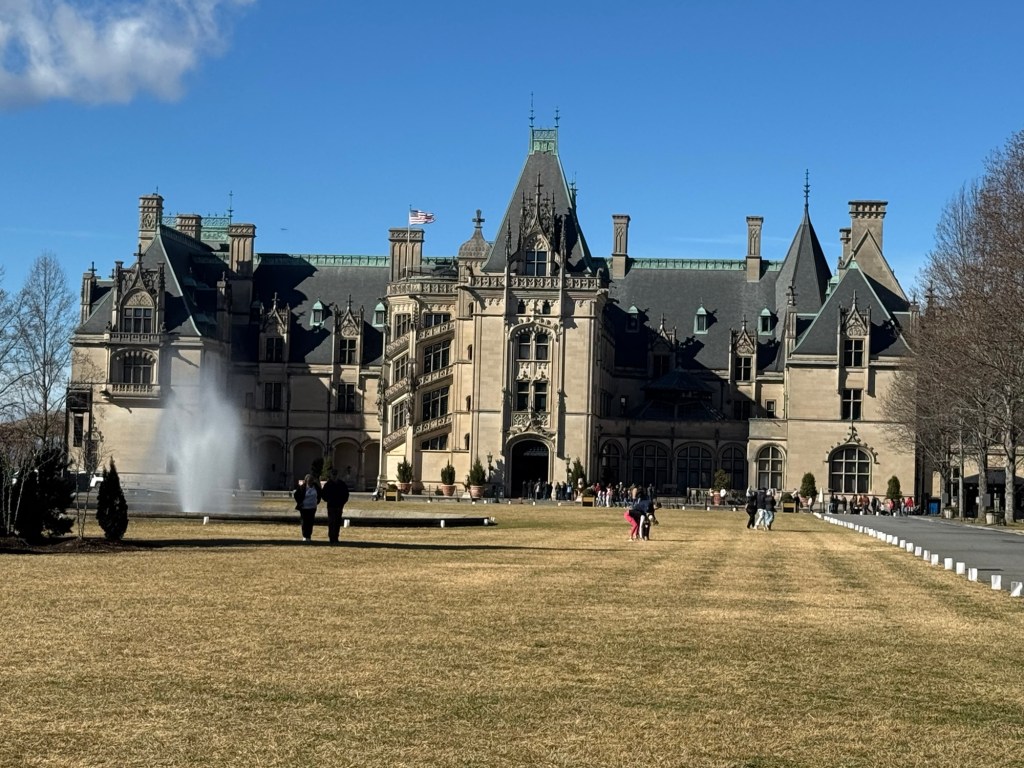
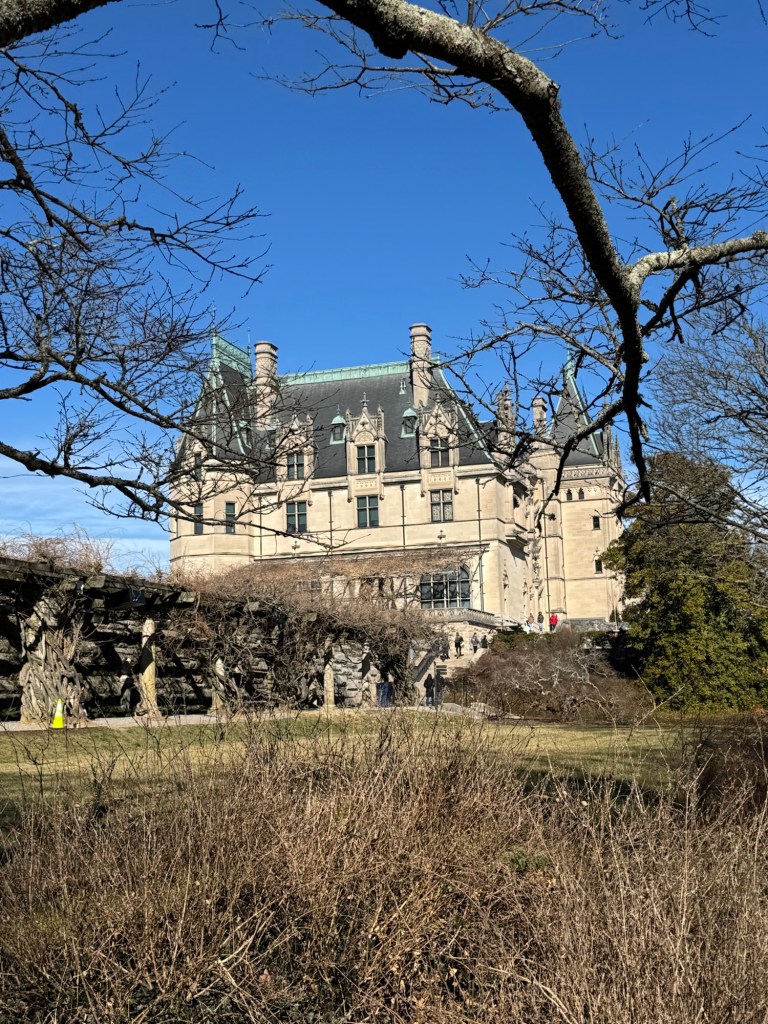
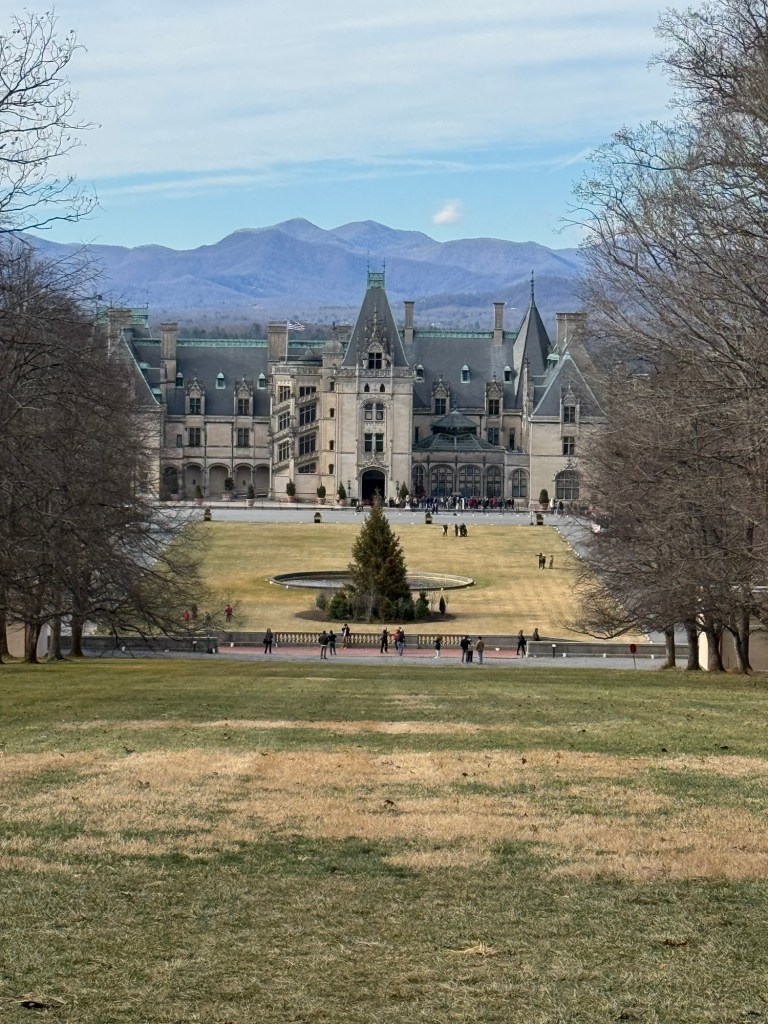
As we entered through the gate, signs directed us toward the home. We didn’t know what to do, so we parked in Lot B and followed the crowd. The short walk seemed to lead no where, but then—out of nowhere—the house appeared. Its immensity surprised me even though I knew it was gigantic.
Tracy and I walked through security and instantly found both the bathroom and warm drinks. Wind seemed to pick up on the grounds, and it was cold. However, we would not be deterred.
The Gardens
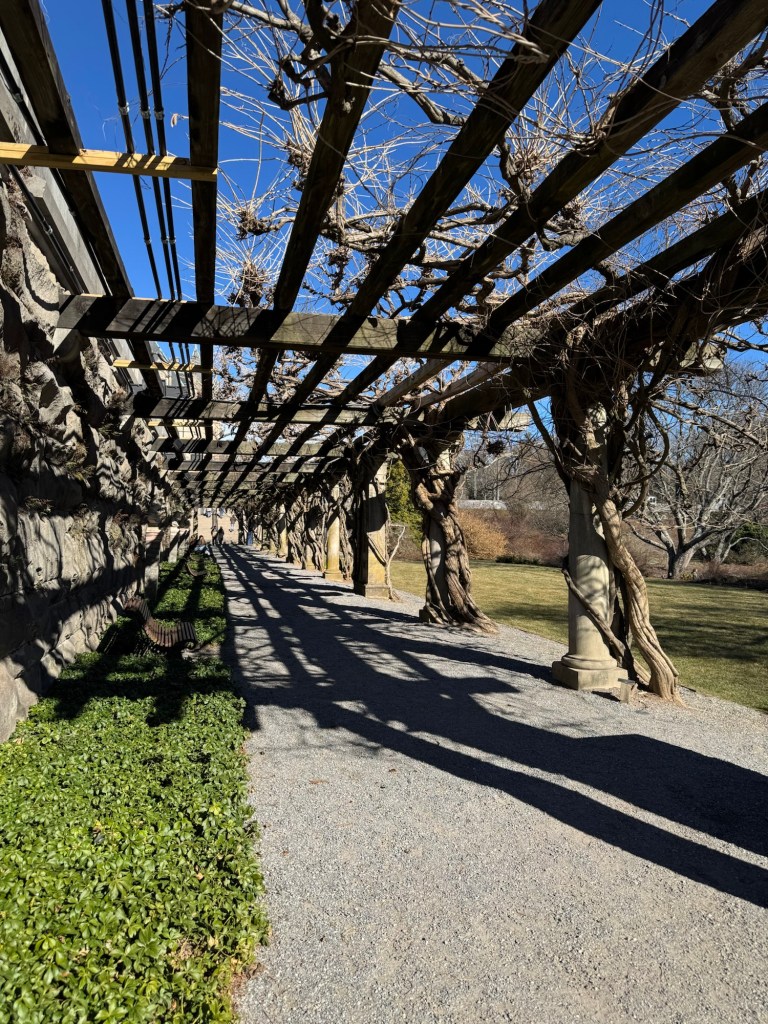
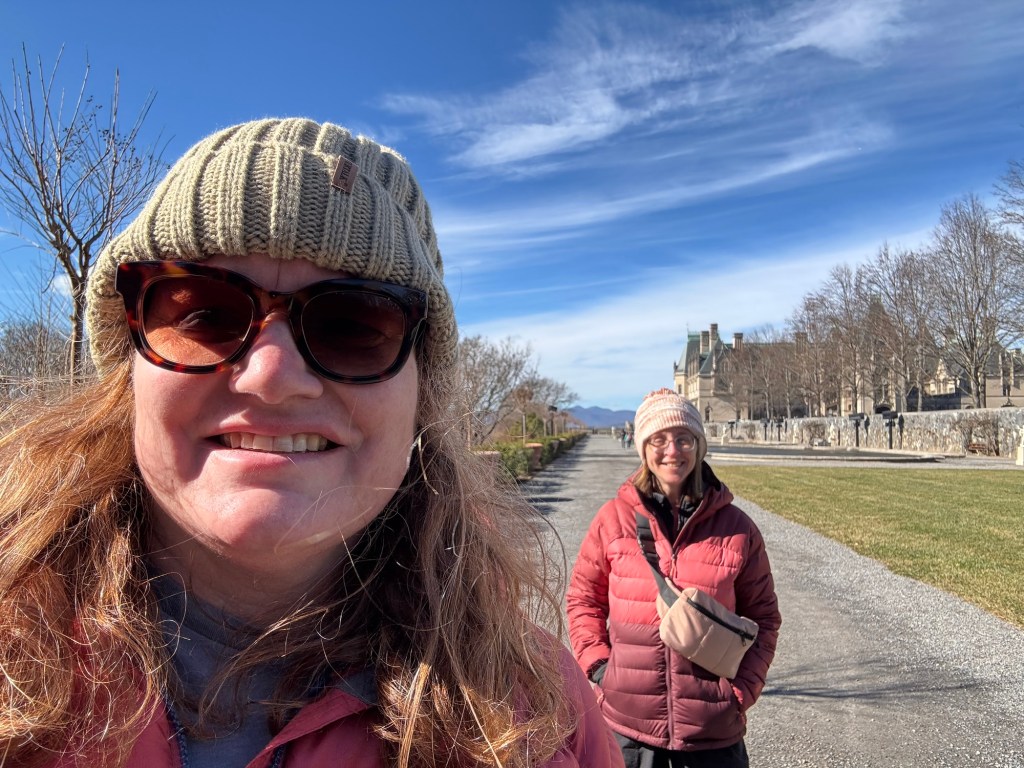
Once we had our bearings, we began walking the grounds. Our first stop was the South Terrace. The views of the mountains delighted this visitor even if the winds nearly blew us away. Seriously, the wind swept over the land with gusts of strength.
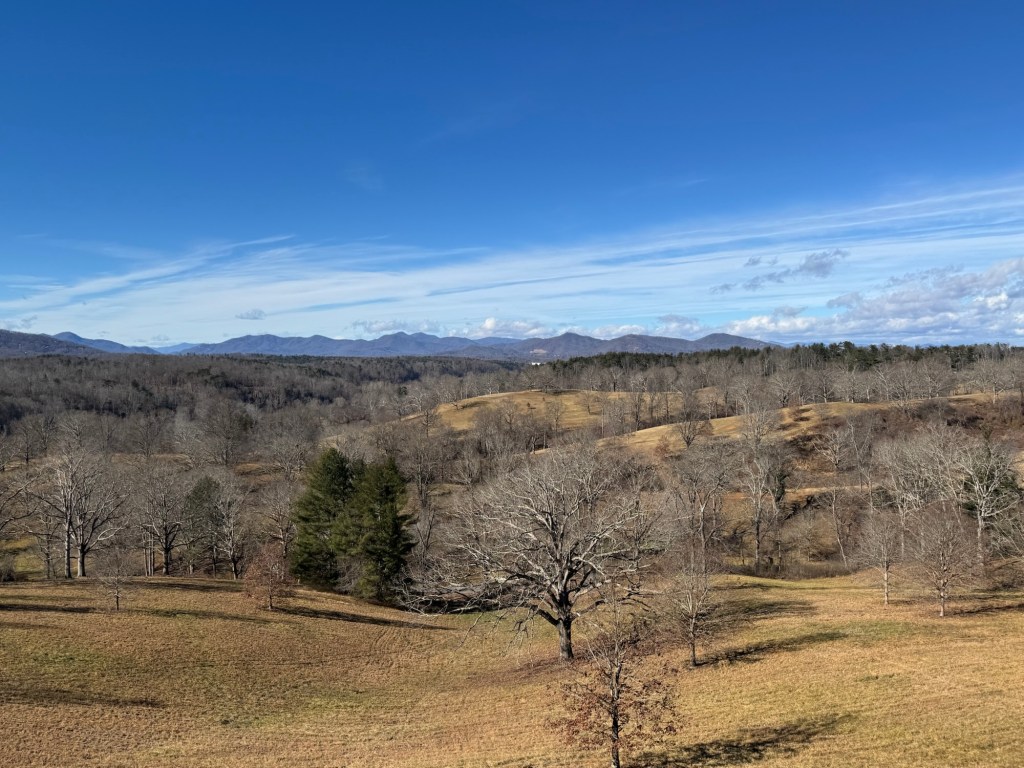
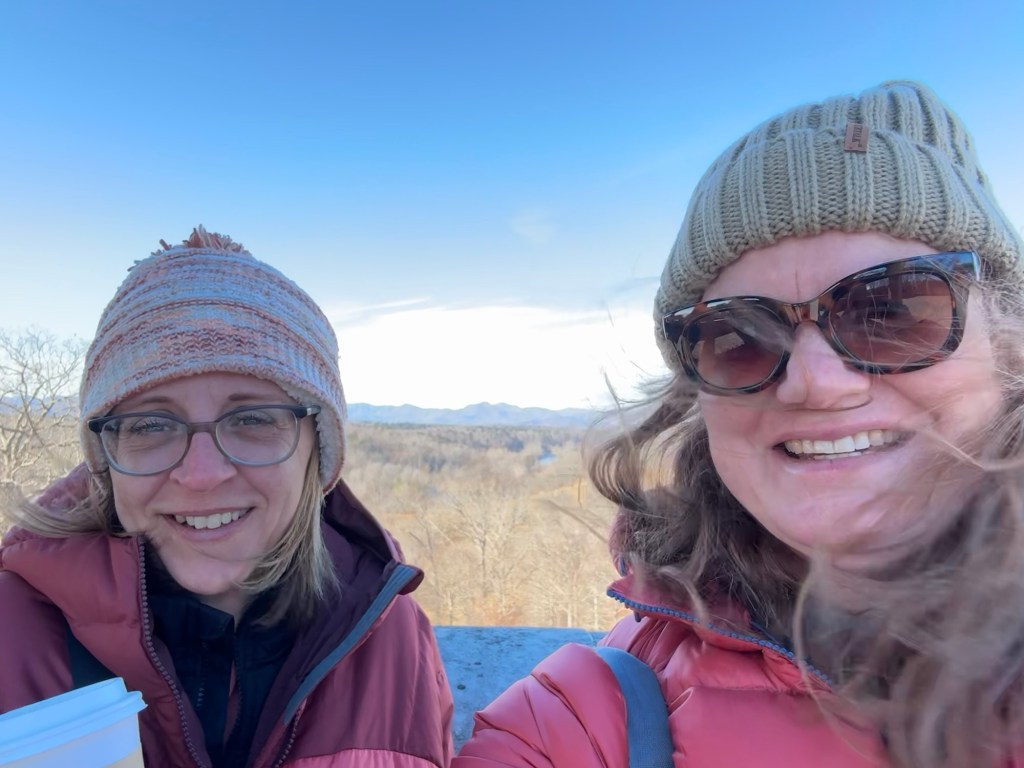
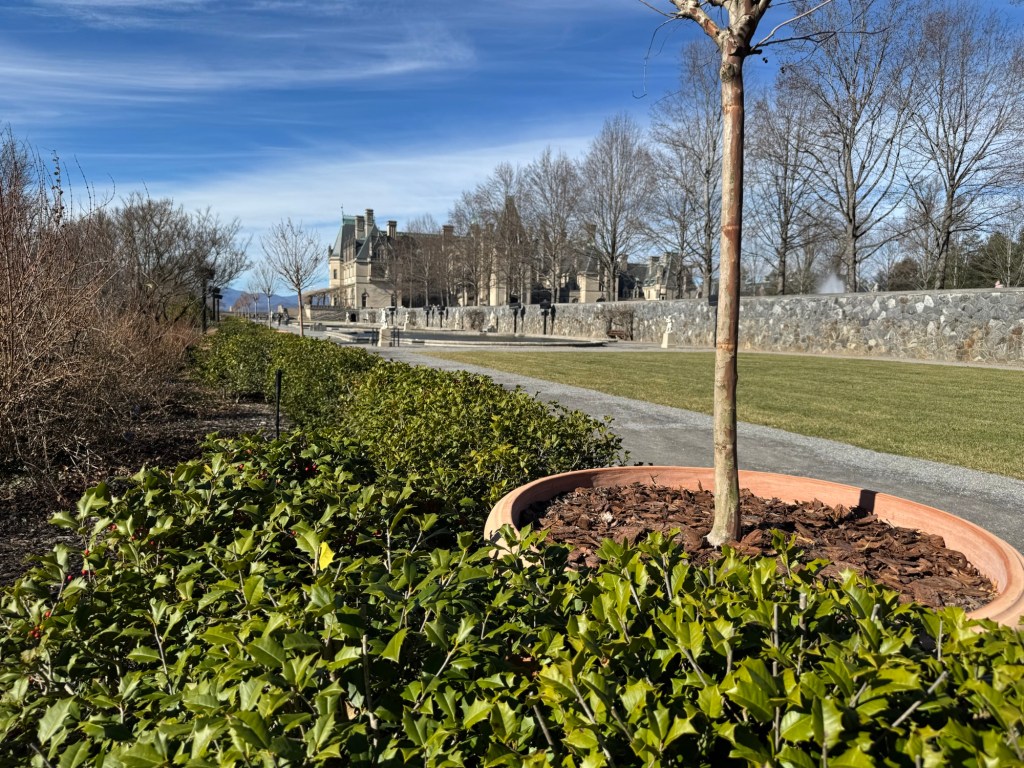
The area provided an outdoor event space adjacent to the home and looking toward the beautiful gardens. Most of the gardens were dormant during our visit, but its bones were good. The place must astound everyone in the summer months.
The Conservatory
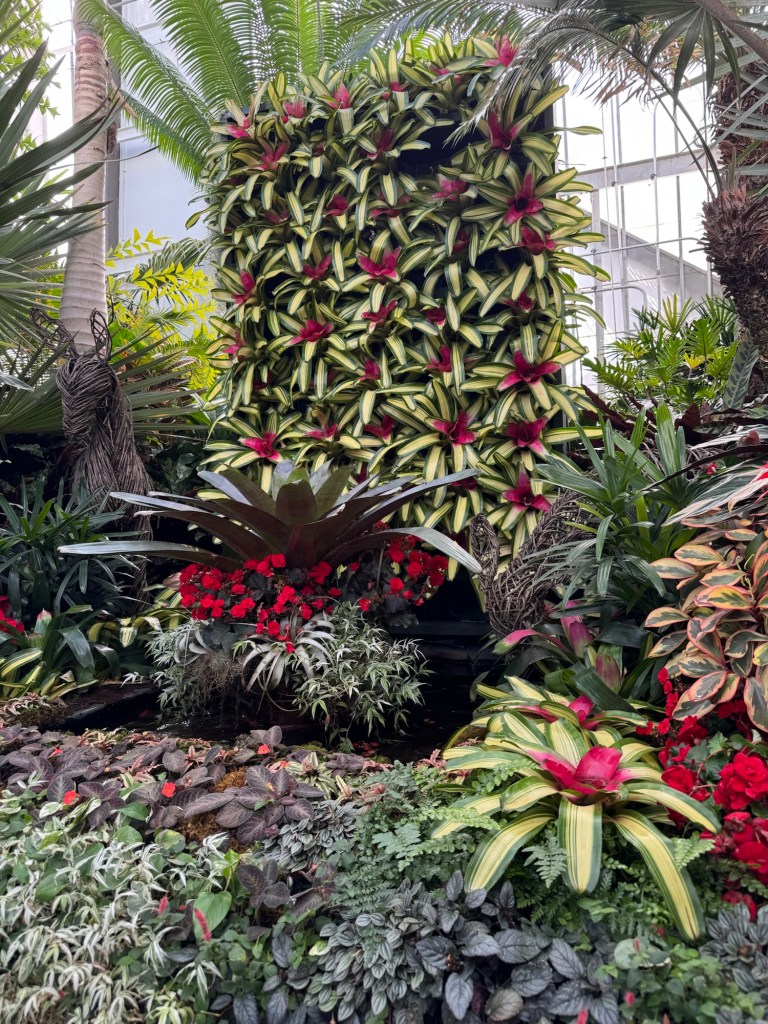
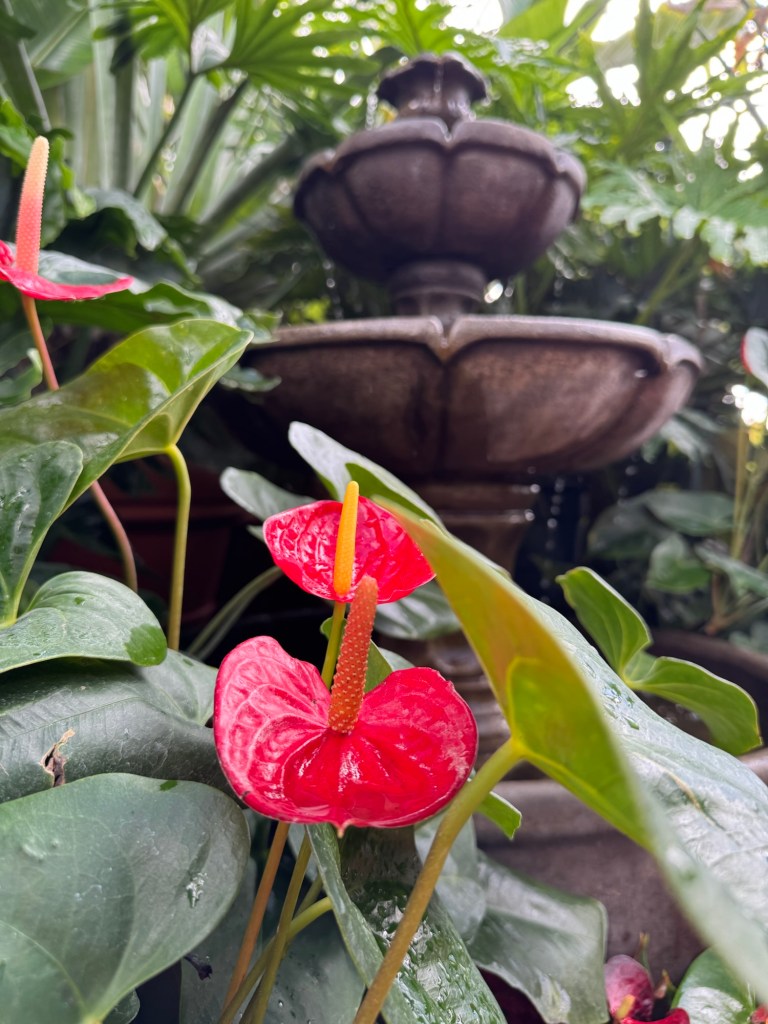
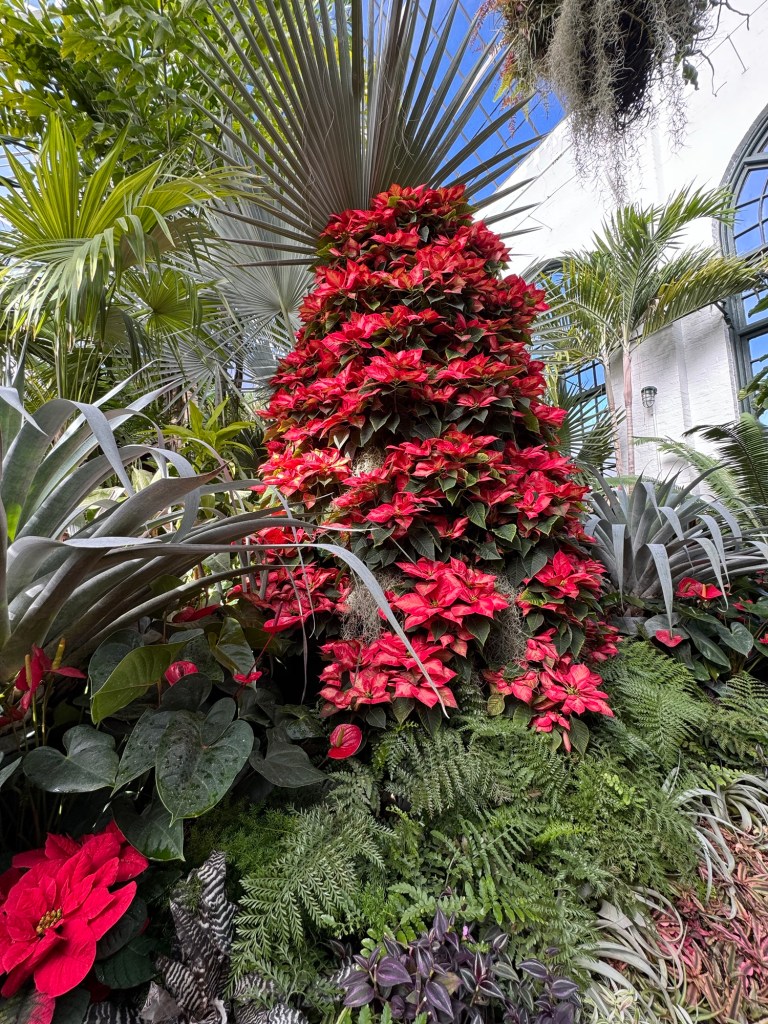
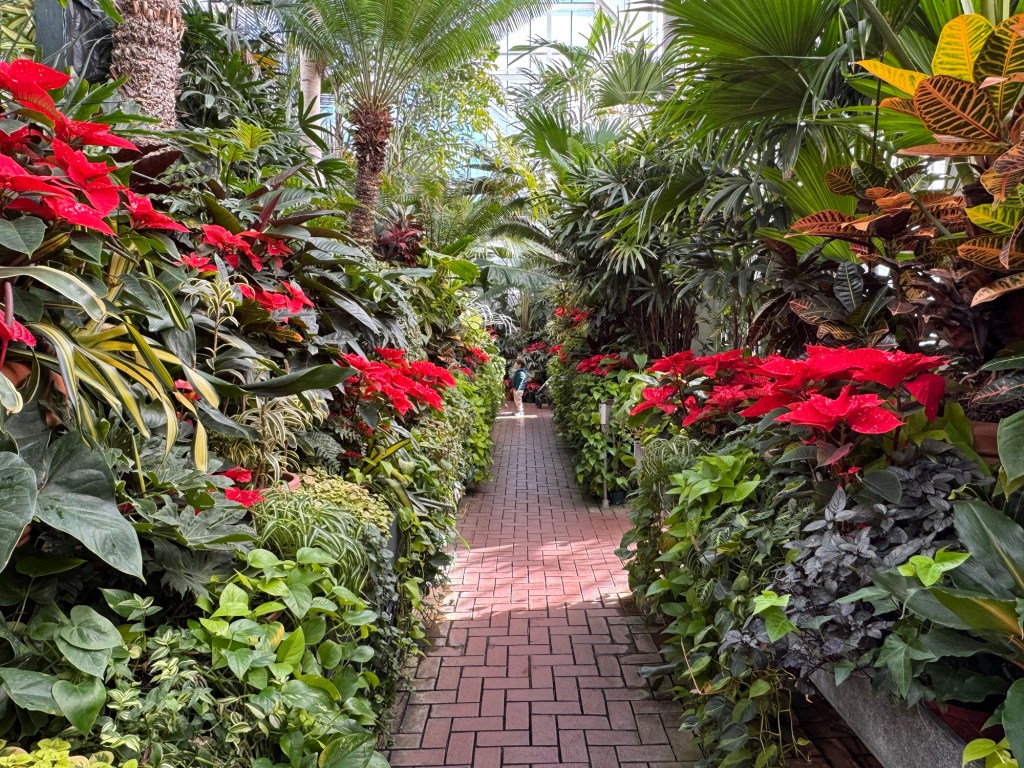
The Conservatory remained open in winter and overflowed with amazing floral displays. At first, the spaced seemed small, but as our walk continued we found it to have hidden spaces. The Conservatory gained in popularity as people recognized the warmth inside.
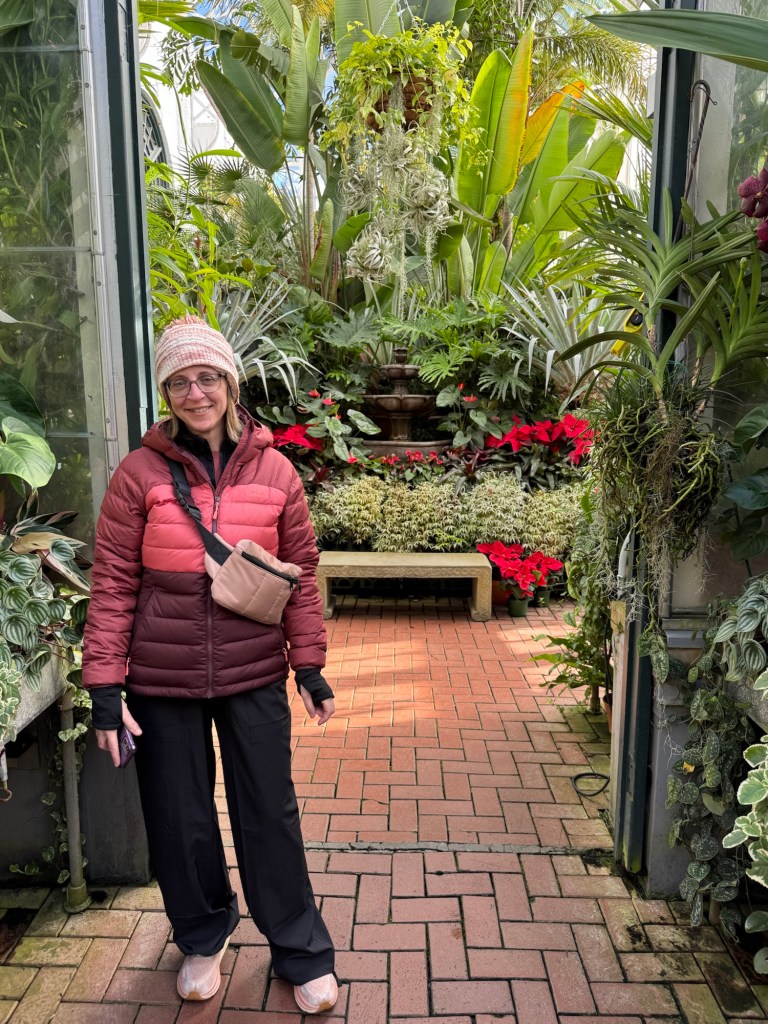
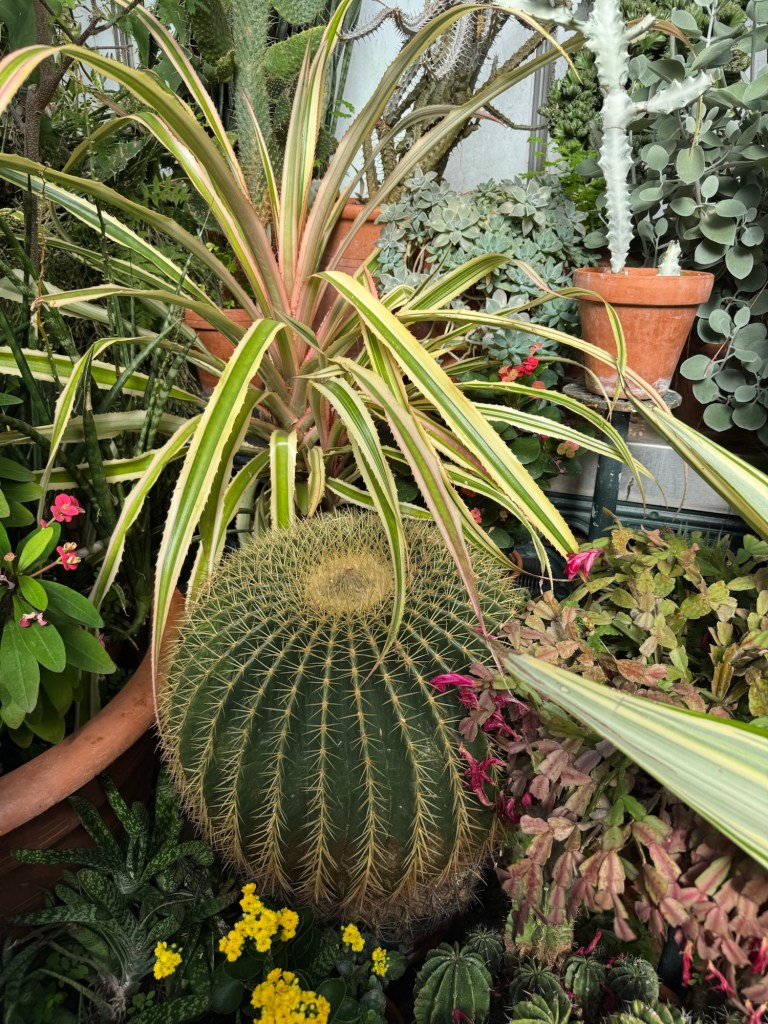
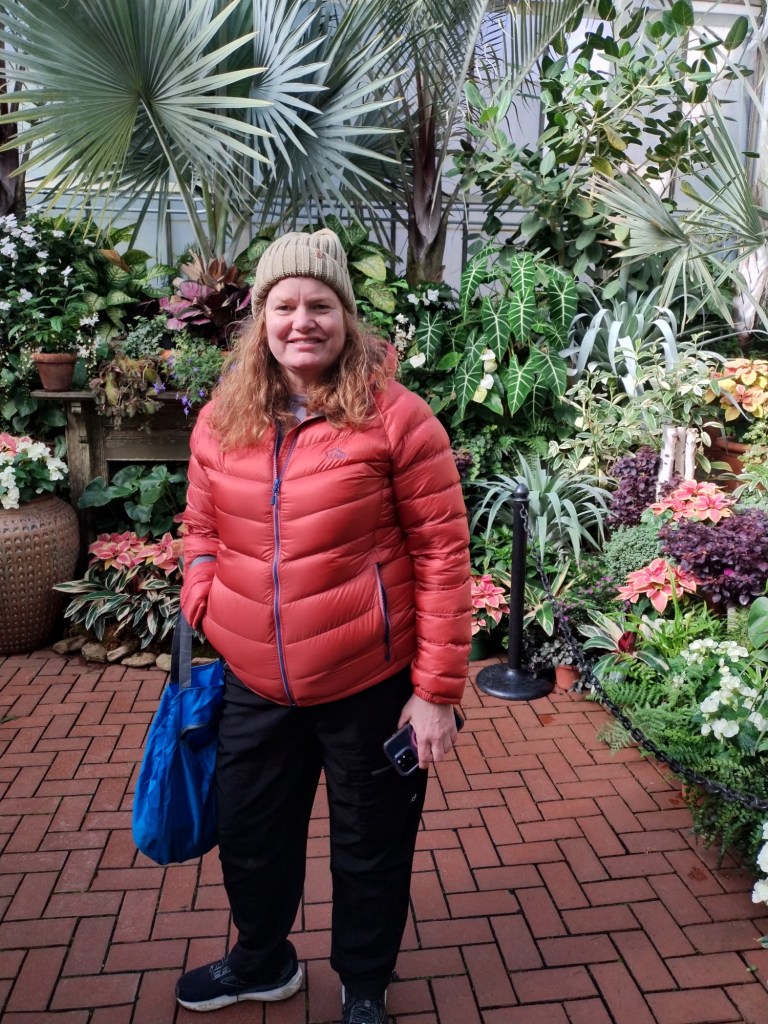
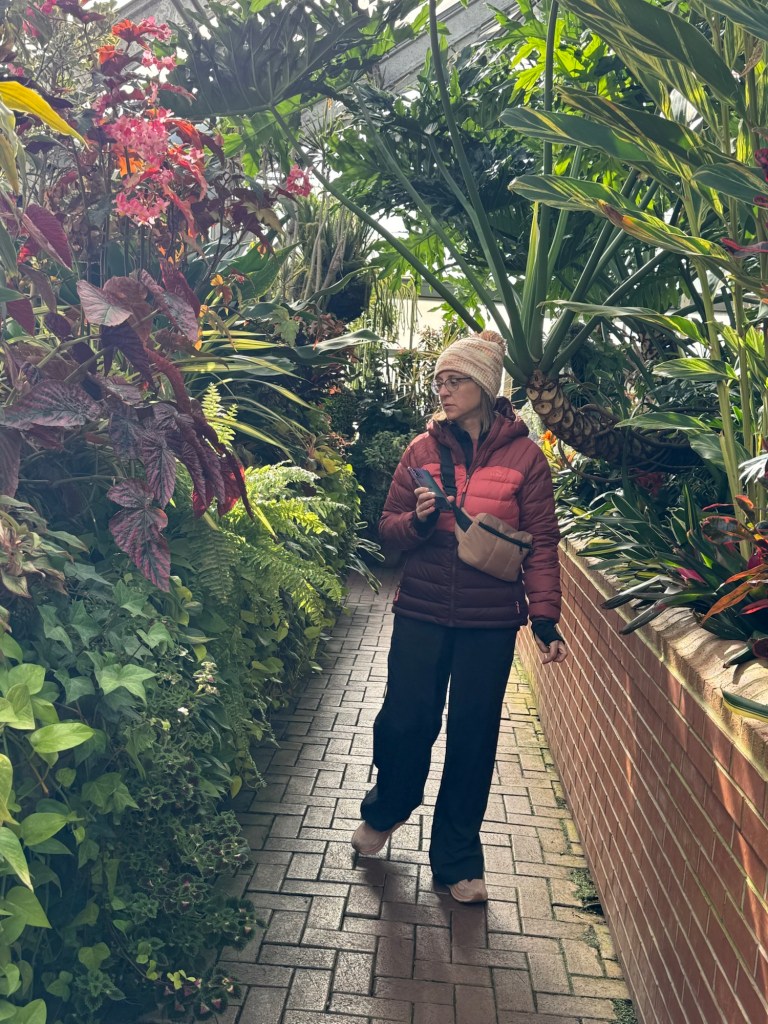

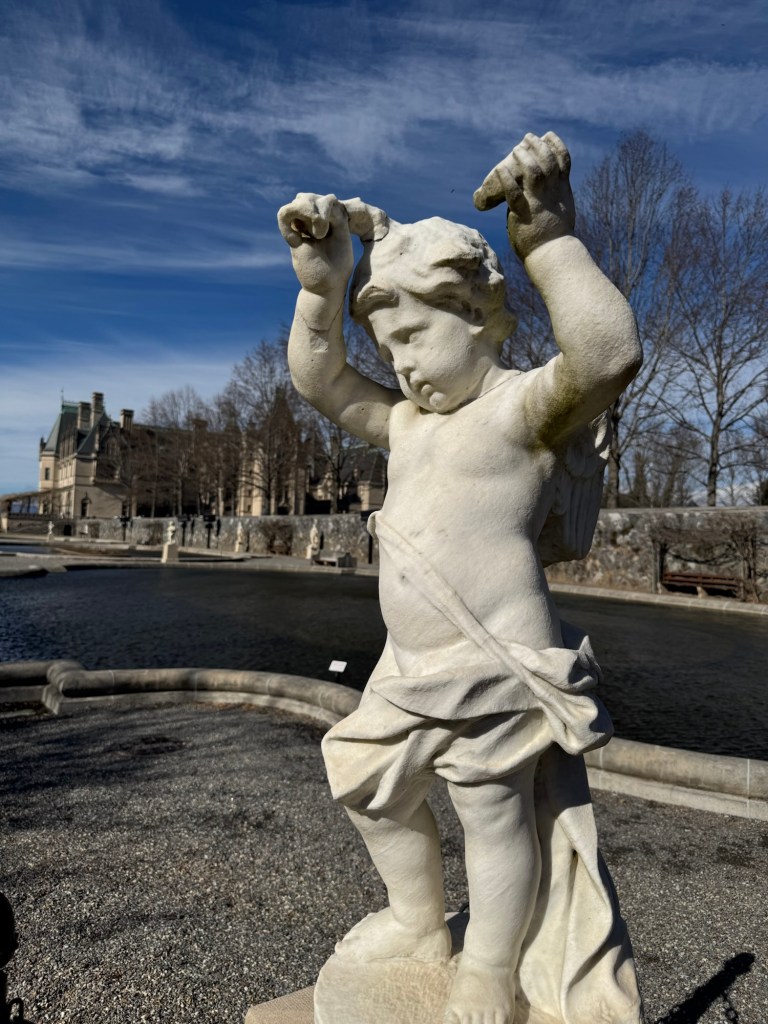
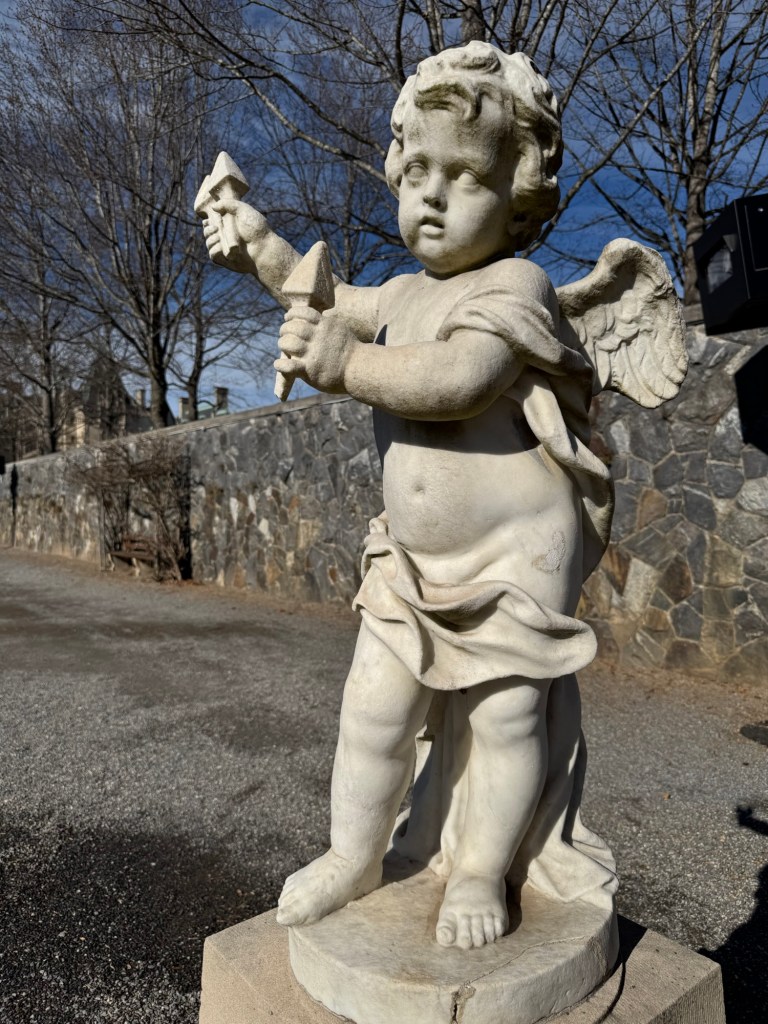
After what felt like hours of awestruck wonder, we returned to the frigid and windy outdoor garden area. Our route differed slightly, and we were rewarded with the amazing statues and dormant fountains of the Italian Gardens. Had it been a bit warmer, I’m sure we’d have delighted ourselves with the solitude of this space.
Diana
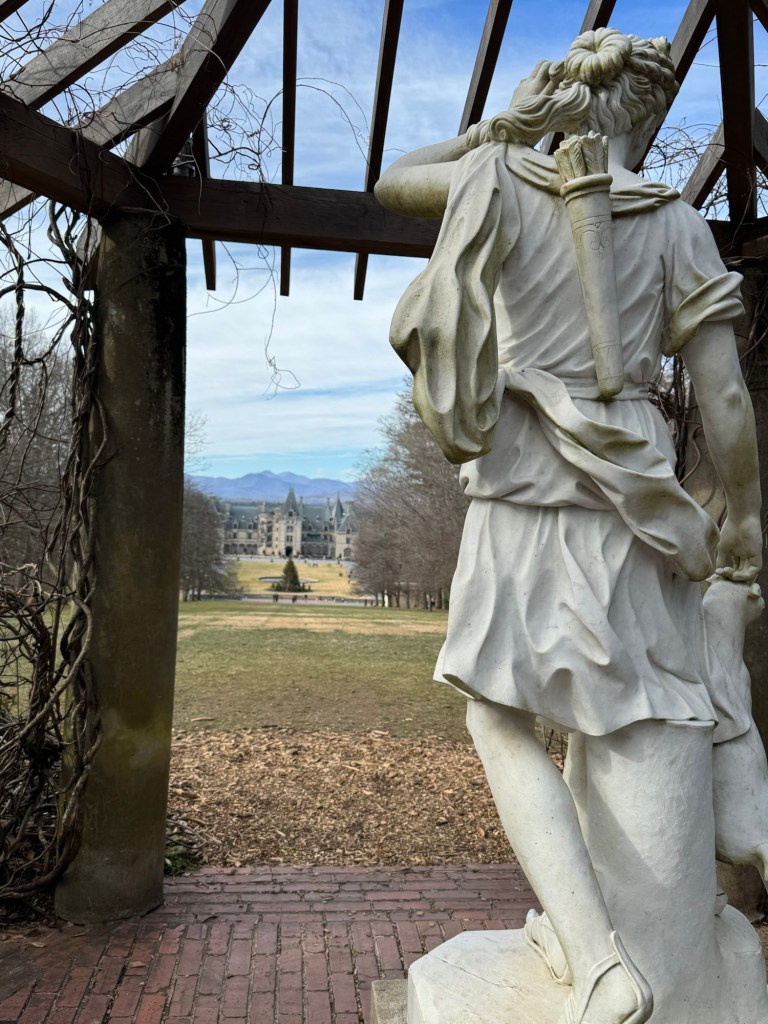
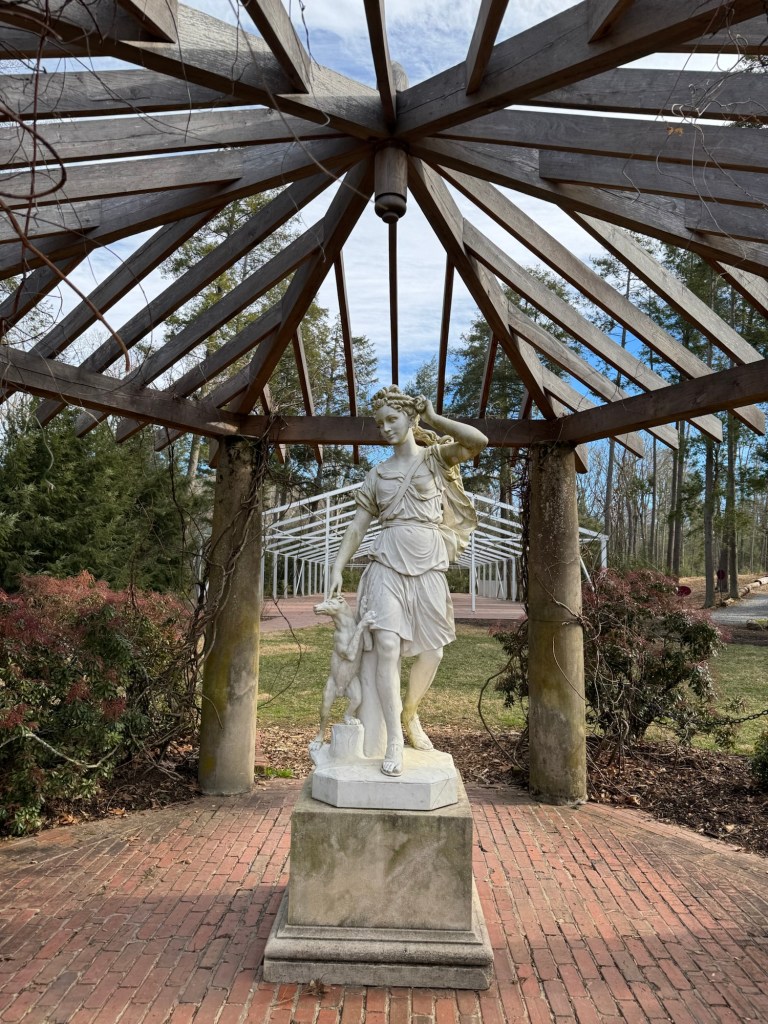
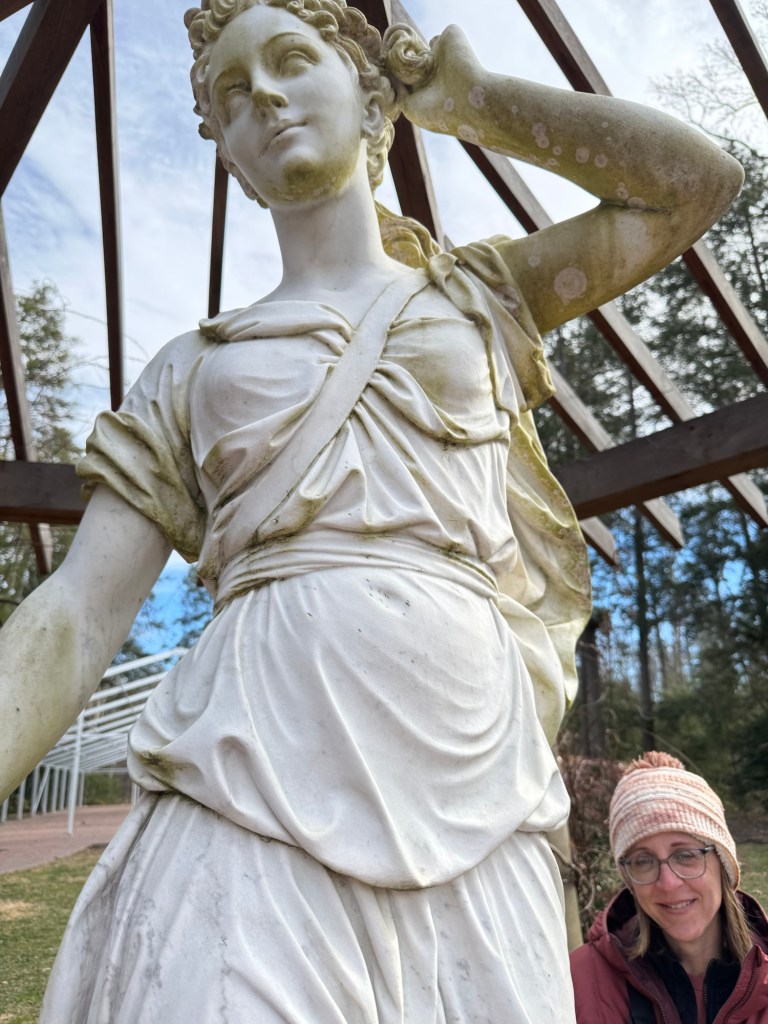
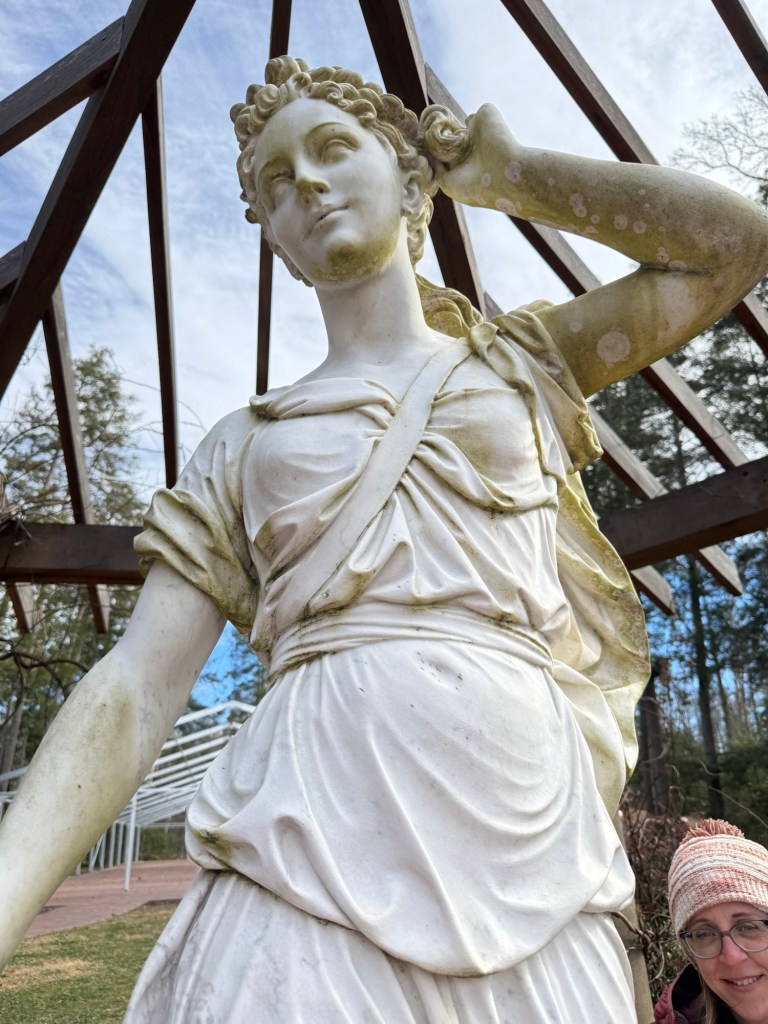
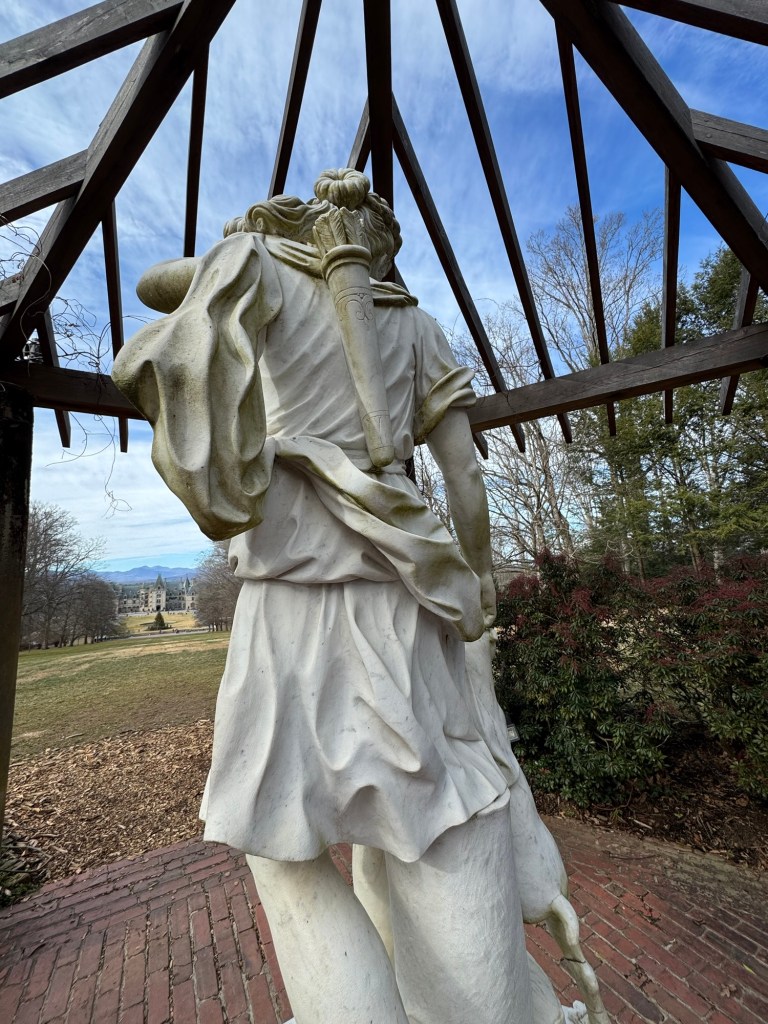
Instead, we headed to our car, so we could enjoy other locations within the 8,000 acre paradise. Crossing the esplanade, we detoured again to visit Edith and Cornelia’s favorite spot—the Statue of Diana. Up the hillside we began. The treelined path shielded us from the elements and rewarded us with impressive views.
The walk up the hill felt great, but I wondered how often the Vanderbilt ladies made the trek. It was quite a distance from the home. Today, a wedding venue sits near Diana, and you can secure this spot for a mere $80,000-$120,000.
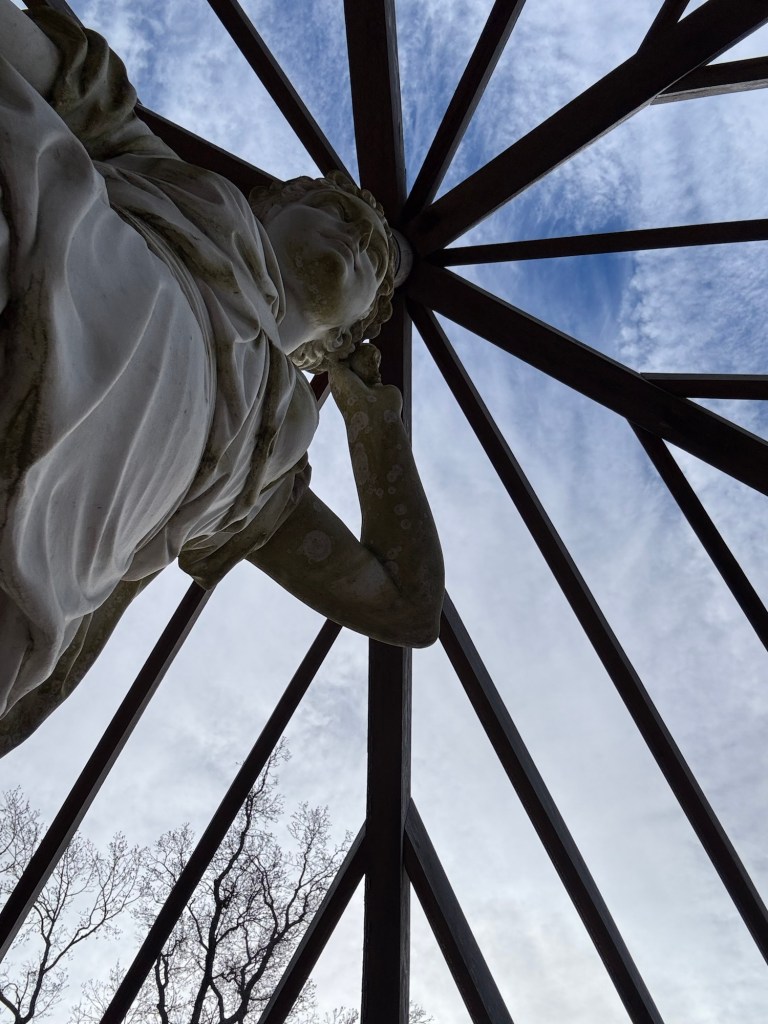
For me Diana was exquisite. I couldn’t imagine how long her carving took, but the folds in her dress truly flowed despite their creation in marble. Each detail was absolutely perfect.
This statue actually replaced the original in the 1970s. The original terra cotta statue, damaged in a storm, must have been amazing too.
The best part of our story here included some women, their phone, and the beautiful Diana. Tracy and I were enjoying the sacred silence of this place when a group of women approached. They, too, loved Diana and asked if I’d be willing to take their photo. Agreeing to the photography job, they mentioned their friend was still meandering up the hill, and it’d be okay if I left her out. Well, I figured she needed the choice.
I asked the friends what her name was then called her by name and asked if she wanted to be in the photo. She did not see her friends, but I saw it on her face. I knew what she was thinking…“Do I know this woman? Why does she want me in her photo? What should I do? Stranger, danger.”
Next I said, “I’m Rebecca. You don’t know me, but your friends do. They want to know if you’d like to be in their photo.” Relief swept over her face, she sped up her hike, and her friends loved our brief encounter. Hours later, as Tracy and I were making our way through the home, I heard my name. As I turned around, my “friends” waved excitedly and asked us if we were enjoying ourselves. I loved sharing time and experience with my temporary besties.
 Reba Roams the World
Leave a comment