
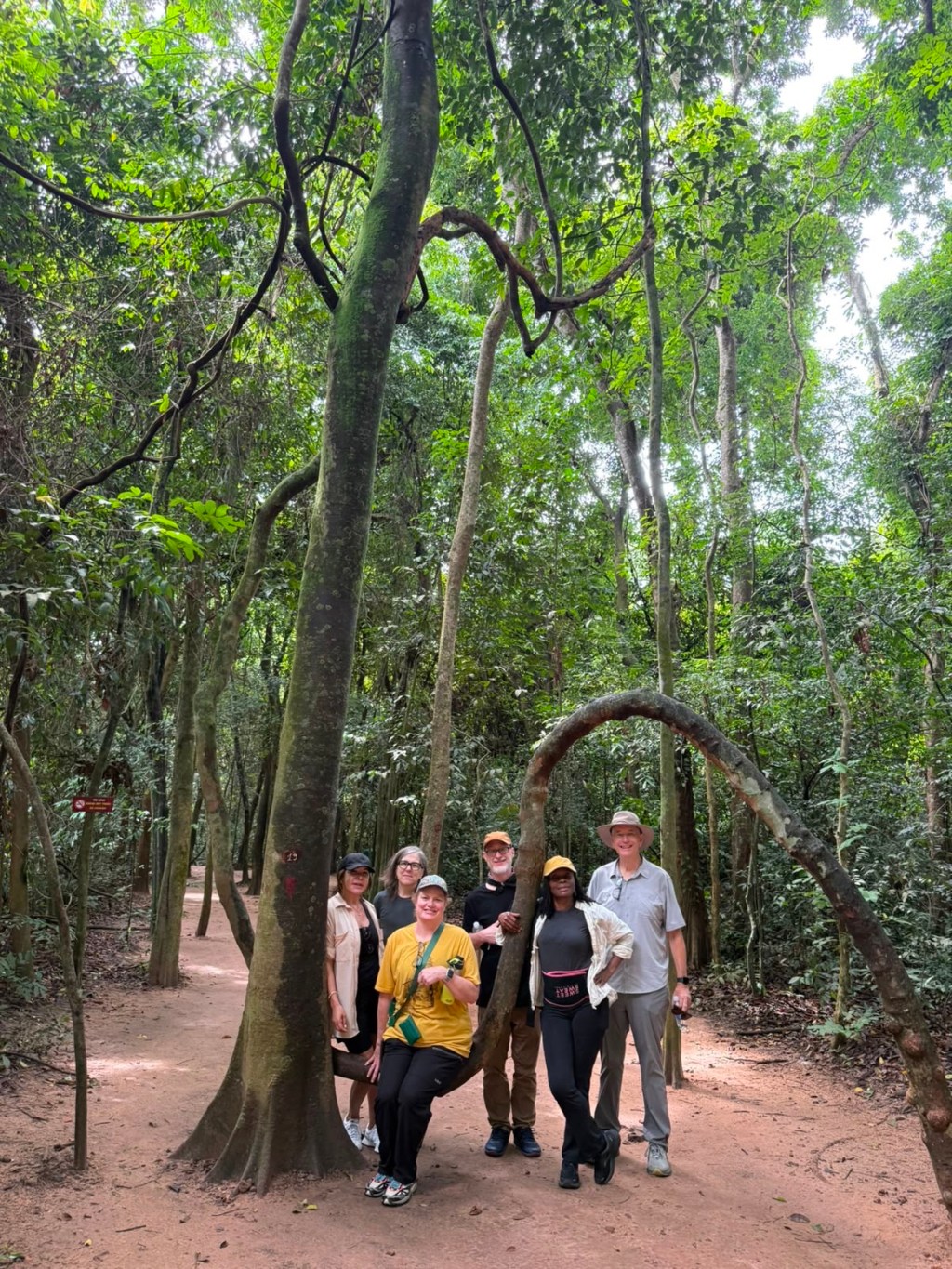
Many of us have heard about the Vietnam War. Some might still be with us who spent time fighting in the Vietnam War. And while I lived during the final years of it, I was just a baby and don’t remember anything.
I had a vision of what I imagined happened during the war, but seeing a portion of the area in person really brought the imaginations of my mind into a more realistic view.
For those who, like me, know very little of the Vietnam War, it took place from 1955-1975. From all I’ve read, it was not a particularly popular war. The United States first provided funds to support troops who fought against the spread of communism. Eventually, U.S. troops were sent and an offensive took place. This lasted longer than expected and included both air and ground warfare.
One of the most noted parts of the offensive was the use of a chemical called Agent Orange. Government officials claimed the herbicide and defoliant’s purpose was to clear the dense foliage, so U.S. troops could see the routes of the enemy. In reality, the chemical mixture had the TCDD dioxin contaminate in it. This resulted in the exposed, on both sides, to have side effects that included: cancer, Parkinson’s, diabetes, and offspring birth defects.
I asked Hoang Lee what the Vietnamese people called the war. I knew they couldn’t call it what we did. He said the war is called “The War Against American Aggression.” While things between our two countries had been tense, Lee shared that things are much more friendly. We passed military personnel who likely fought during that time period, and Lee pointed out that now they are friendly to us, but that would not have been the case a few years ago.
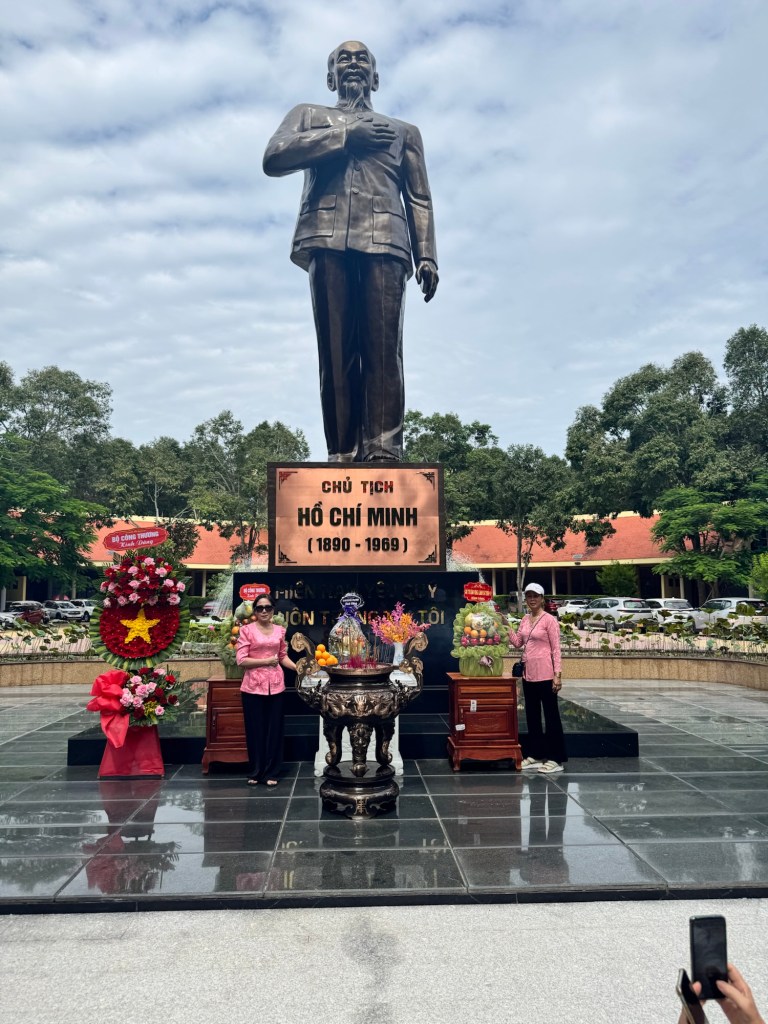
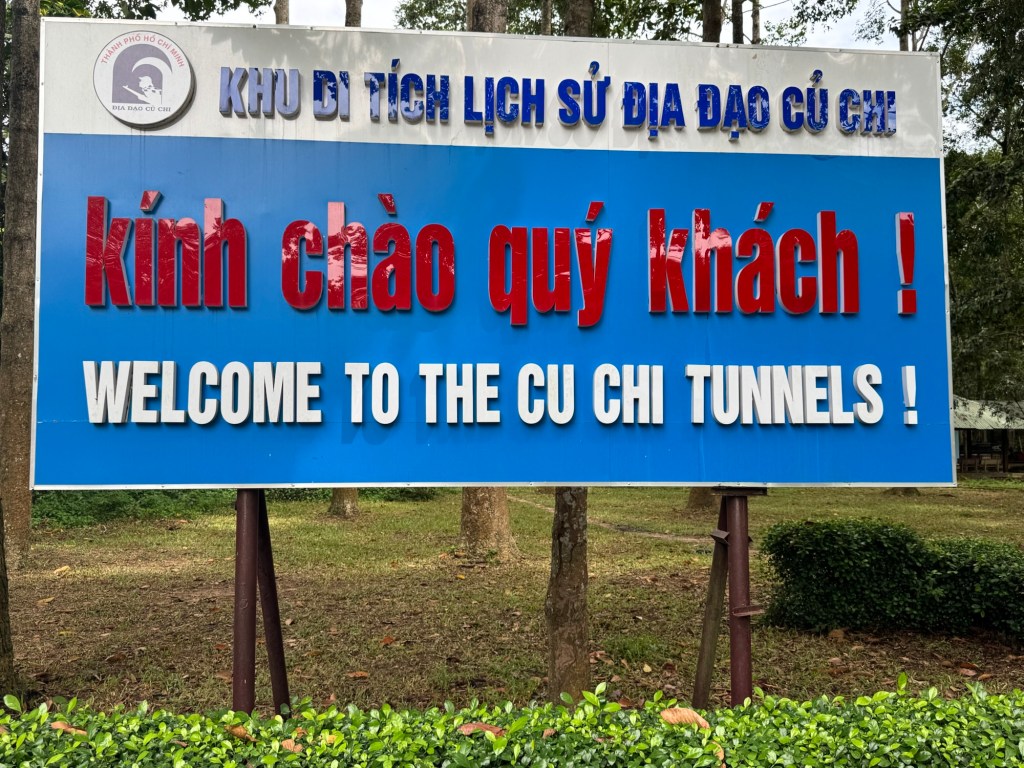
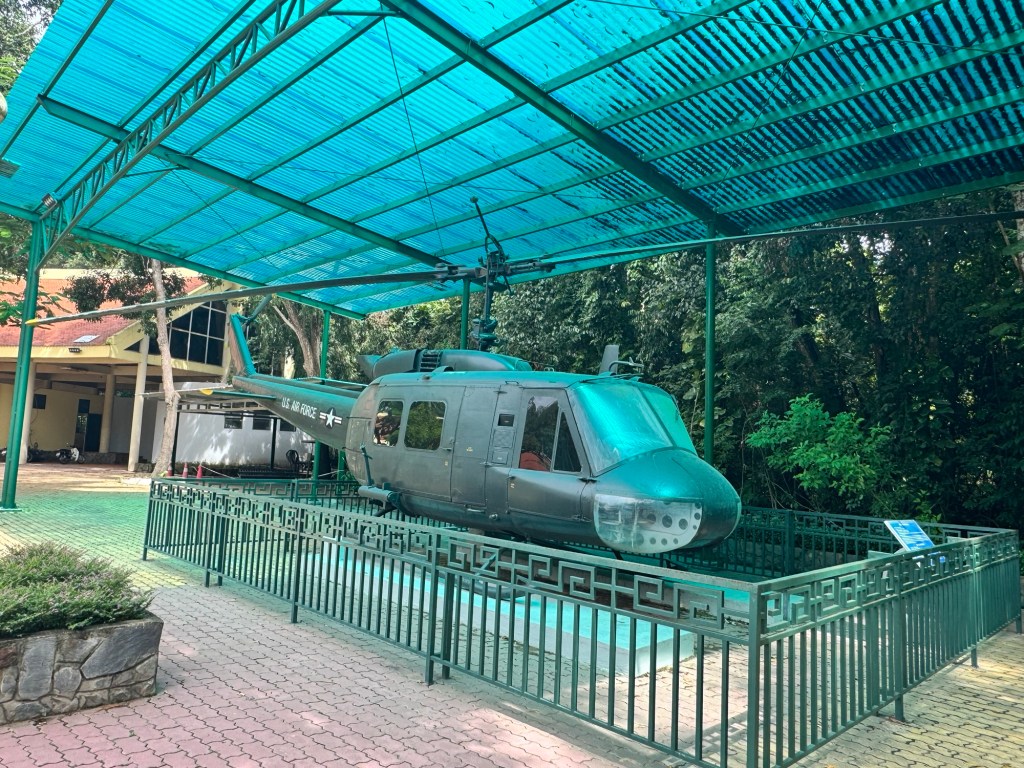
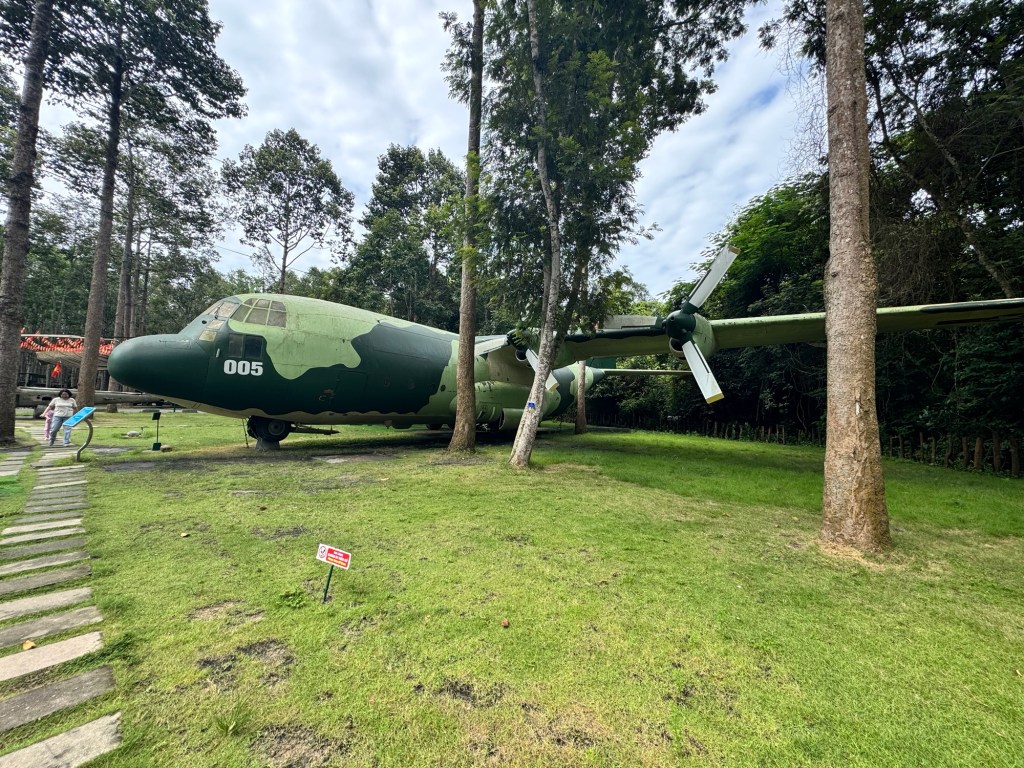
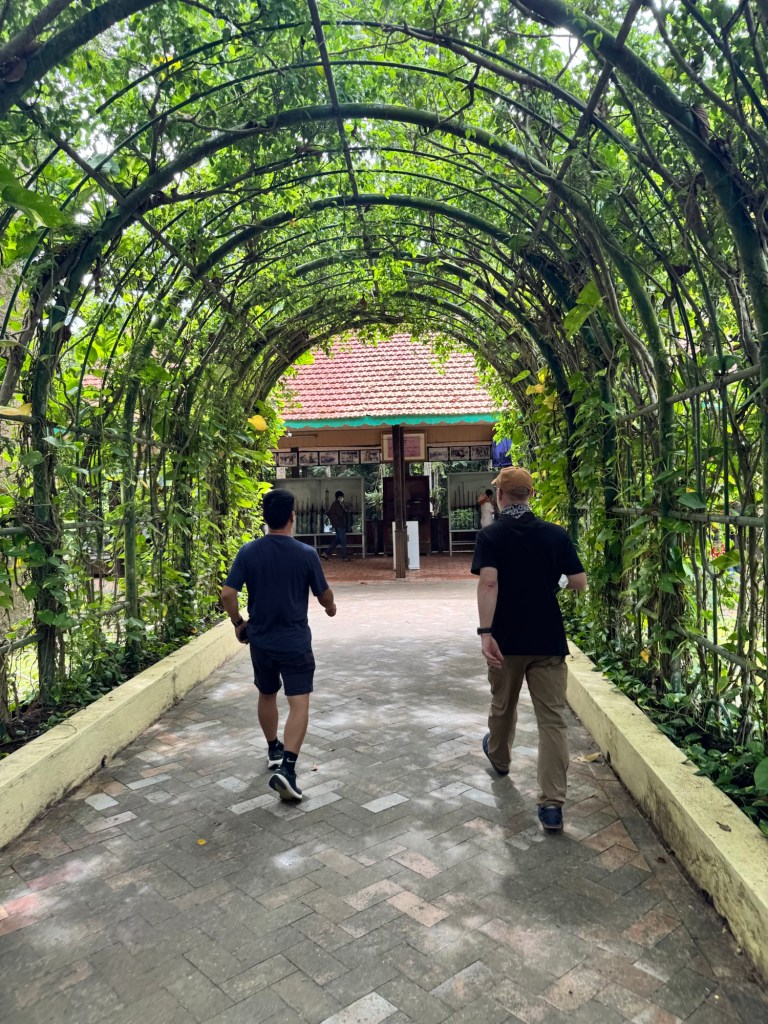
Entering a war site brings more somber feelings. We first visited the outdoor museum where old military transports stood. Some have shown the wear and tear a moist environment brings.
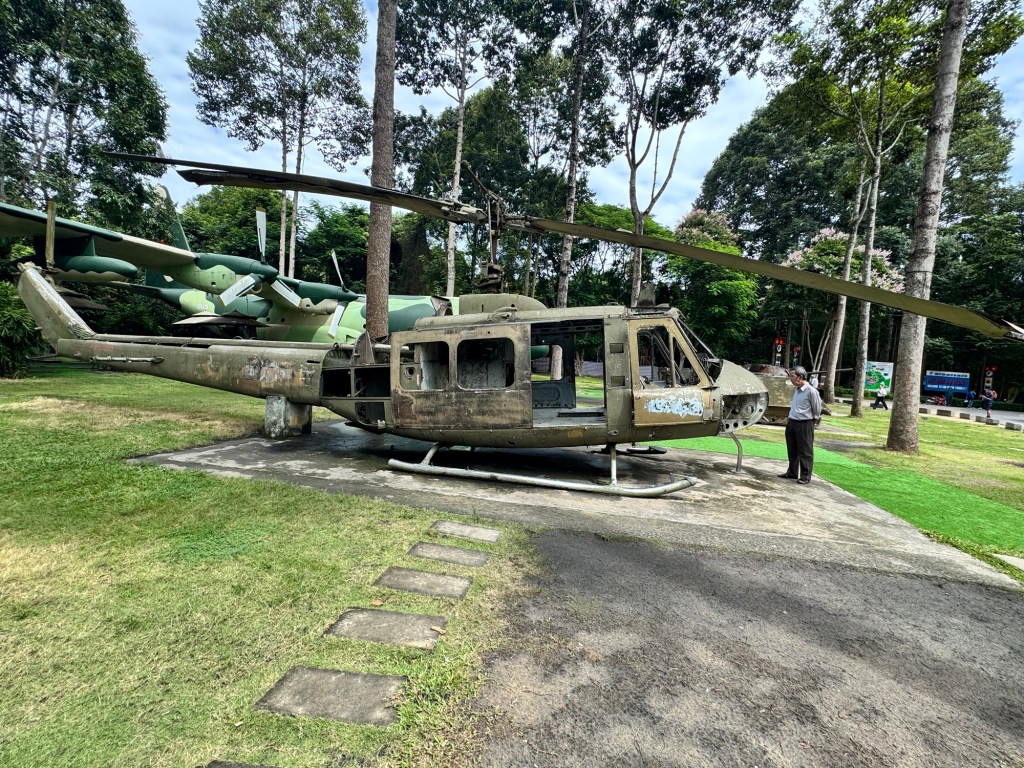
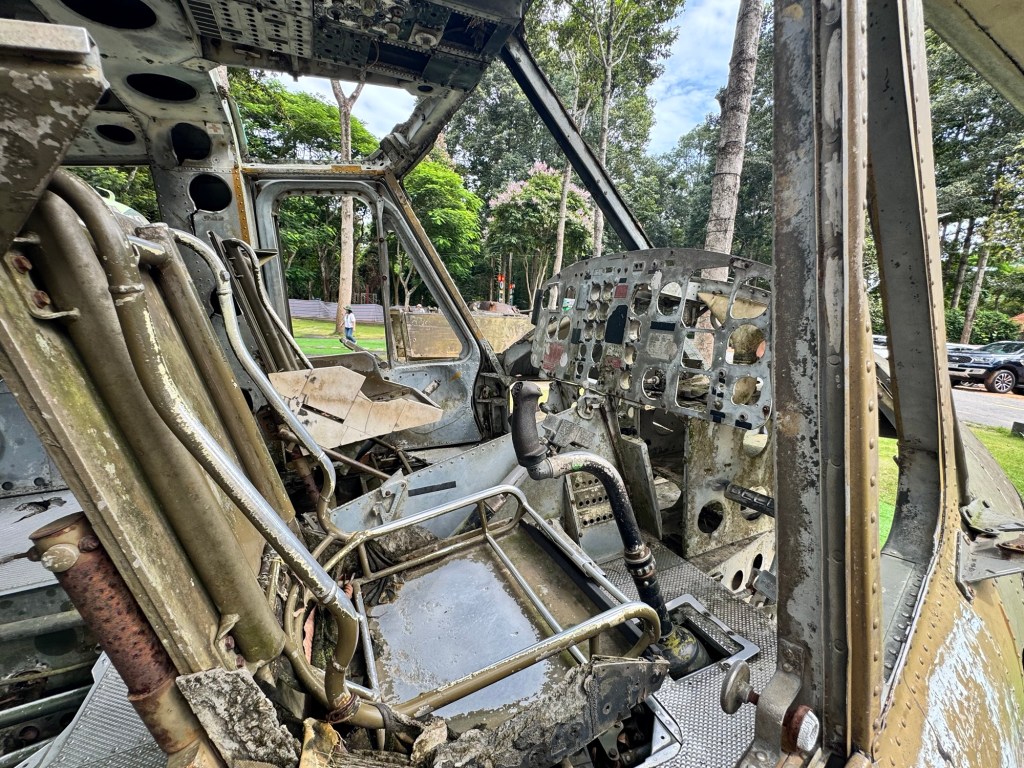
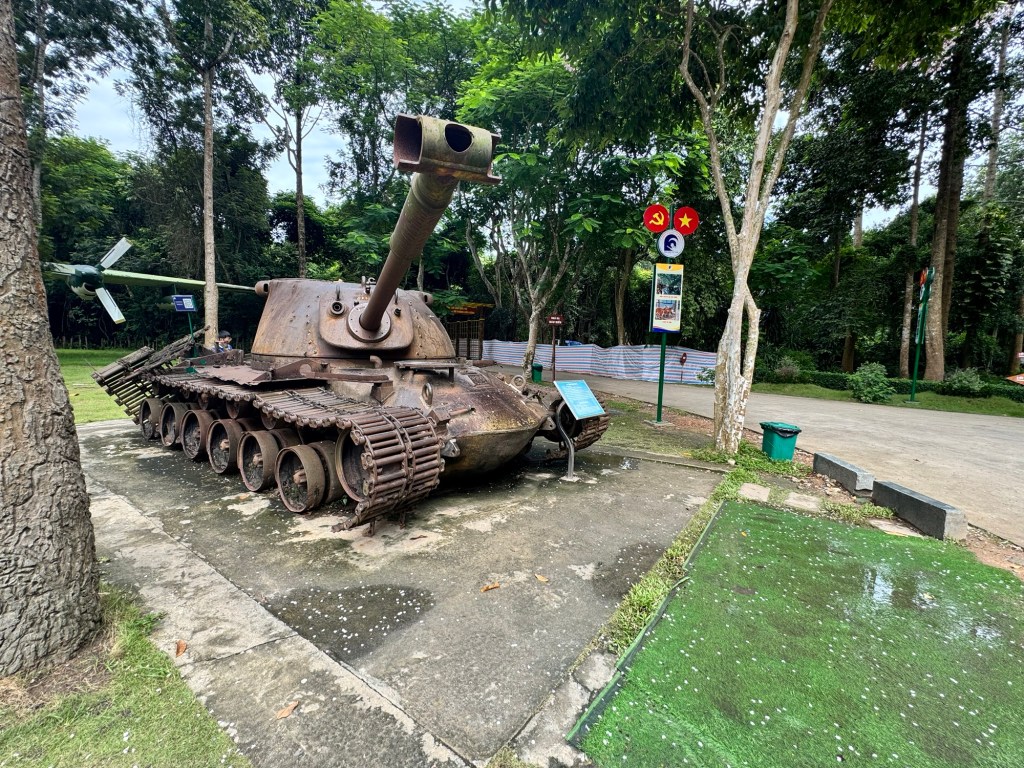
To get to the tunnels, we took a short walk. We saw the guns used (I know nothing about weaponry), and we saw displays showing clothing and traps set by the Vietnamese people.
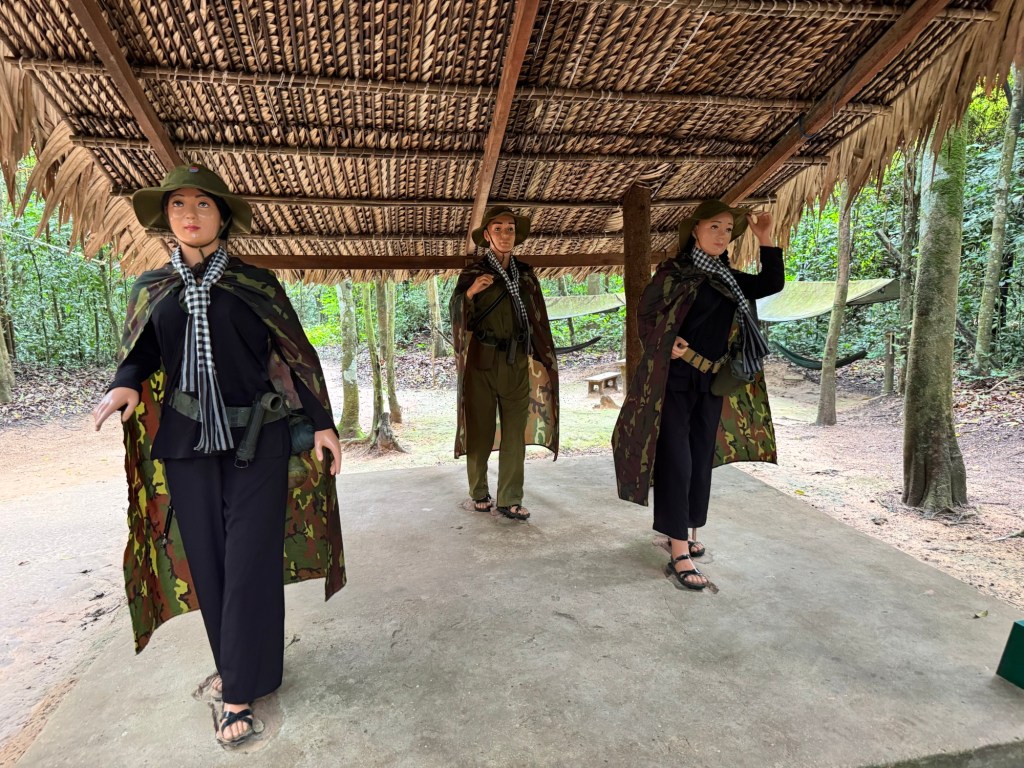
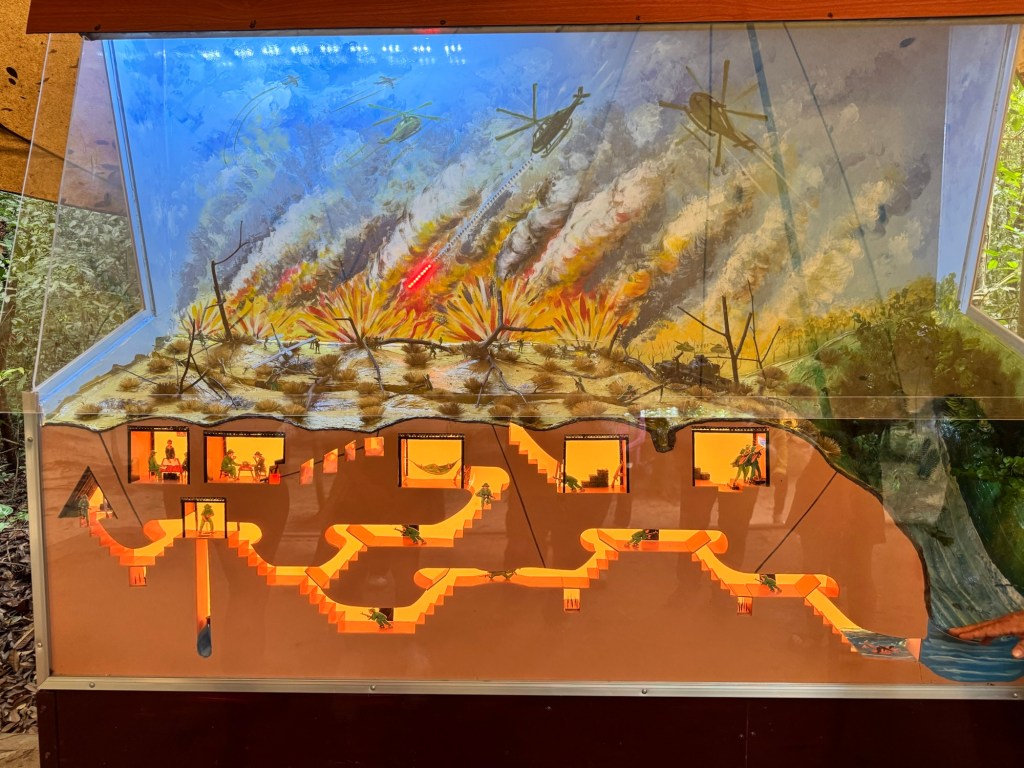
Here is a video of one kind of trap set:
Let me describe the living arrangements for a moment. Underneath the jungle, a network of tunnels were dug to aid in the war effort. These tunnels had incredible camouflaging techniques (videos coming). Along with tunnels, rooms provided kitchens, war rooms, infirmaries, and sleeping stations. While the tunnel system spread far and wide, air flow and comfort had to be compromised.
The people couldn’t live underground indefinitely, so the evening gave them opportunities to come out of hiding, breathe, and stand completely upright.
Many of the tunnel entrances had booby traps in them, so every new person always entered with a “resident”. That way they would know how to avoid the traps.
Here are a few videos of some of my companions entering the tunnels. Claustrophobics beware!!!…
Now, I did not venture into the tunnels in the traditional manner. Instead, easy access tunnels were dug for the less adventurous. Here are some views inside.
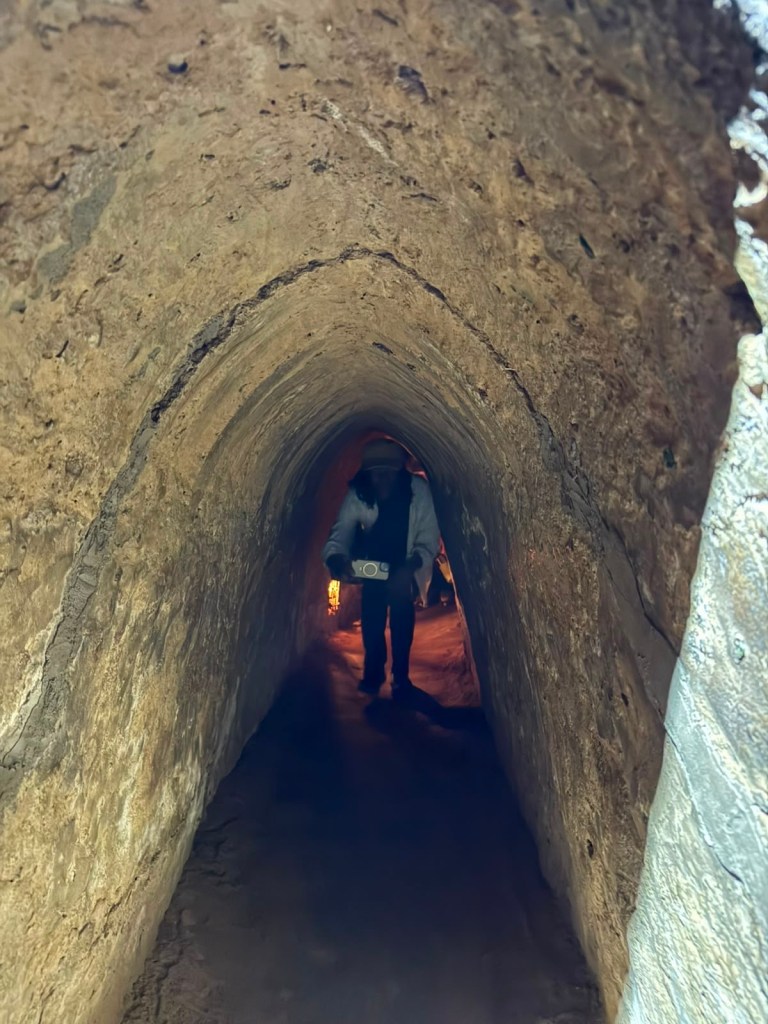
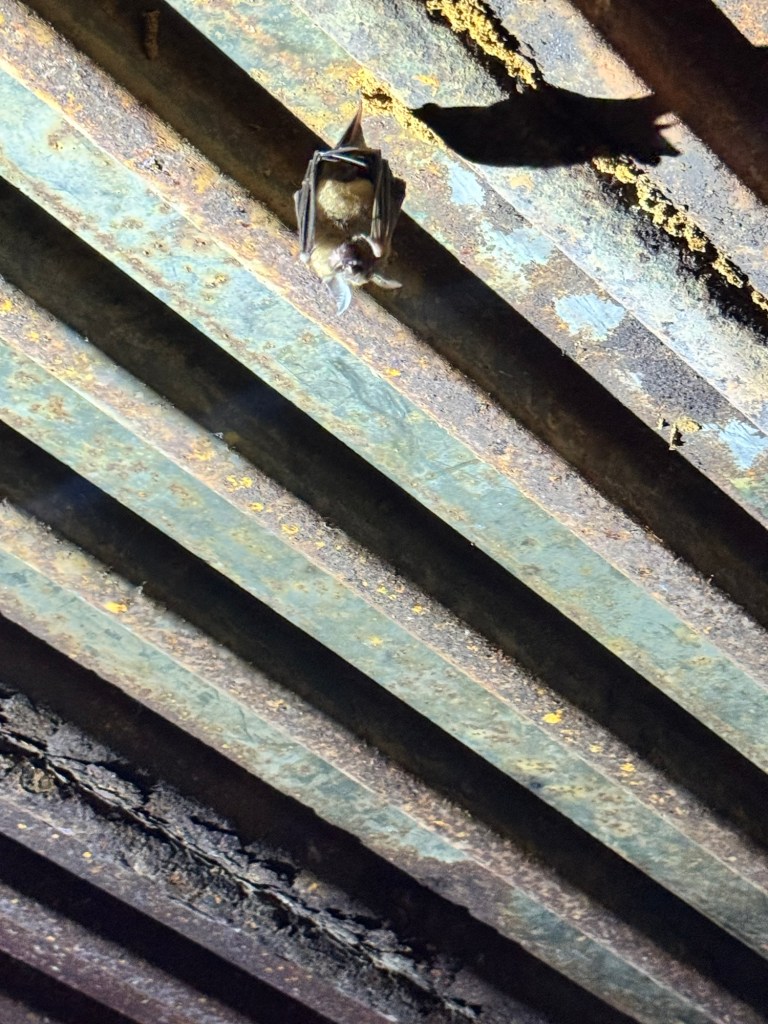
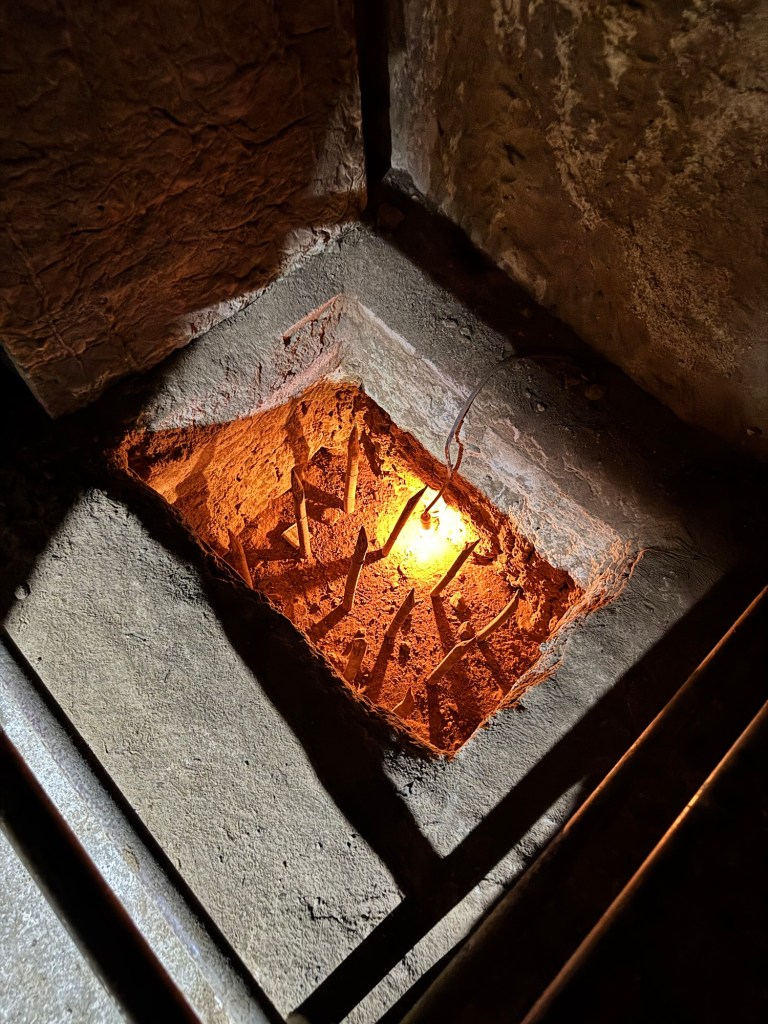
I took some videos as well…
Visiting the tunnels truly opened my eyes to the trauma war can bring. I am amazed at the ingenuity out of necessity that the Vietnamese people created to protect themselves. This is a day I’ll never forget.
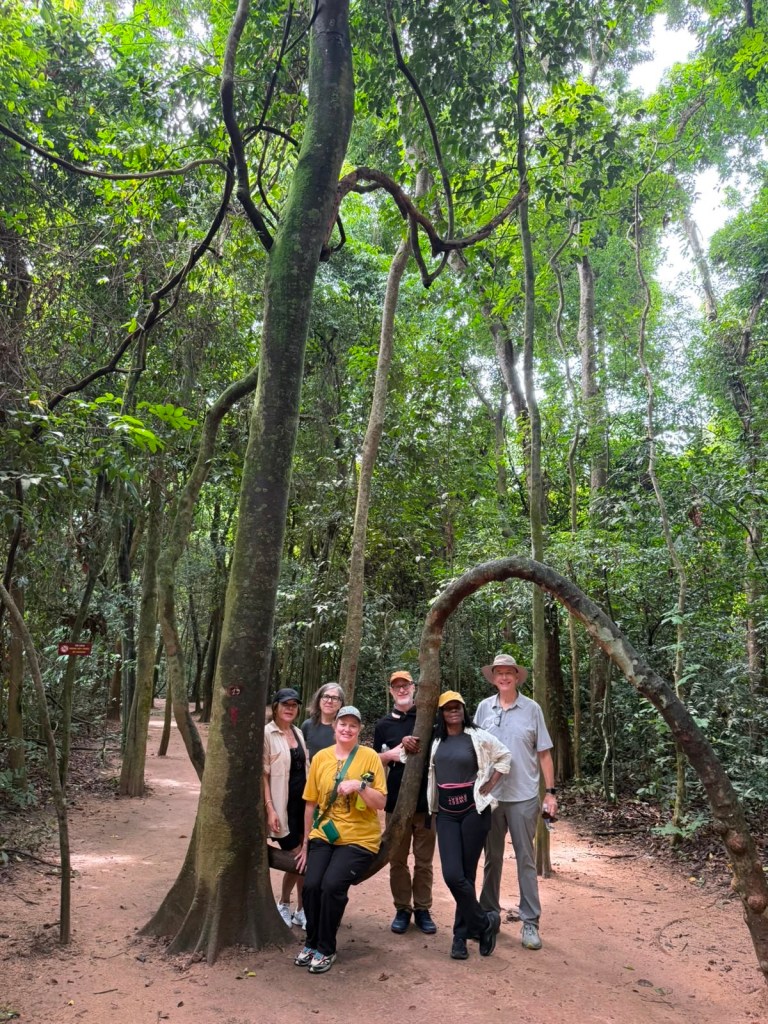
On a side note: this post will go live on Blake’s birthday. While I have no idea if he reads any of my blogs, if he does…Happy Birthday!


Leave a comment